Aminocyclobutane is a chemical compound classified as a building block in organic chemistry. It is a cyclic molecule composed of four carbon atoms and one amino group, making it a versatile intermediate in various chemical reactions. This compound plays a crucial role in laboratory settings, particularly in the synthesis of complex organic molecules. Its unique structure allows it to participate in substitution, addition, and cyclization reactions, which are essential for the development of new compounds. Due to its reactivity and structural simplicity, it is widely used in research and development processes.
Aminocyclobutane is known for its chemical stability under controlled conditions, yet it exhibits high reactivity when exposed to elevated temperatures or reactive environments. These properties make it a preferred choice for chemists seeking to explore diverse reaction pathways. Its ability to form complex structures through chemical transformations enhances its utility in creating novel compounds. The compound's reactivity also facilitates the synthesis of a wide range of derivatives, contributing to its popularity in both academic and industrial research.
In Indonesian laboratories, aminocyclobutane is commonly used in scientific research, especially in the fields of organic chemistry and pharmaceutical development. It is an essential component in the synthesis of new compounds, including pharmaceuticals and industrial chemicals. Its presence in research projects highlights its importance in advancing chemical innovation and scientific discovery within the region.
- Organic synthesis applications benefit from aminocyclobutane's ability to participate in various chemical reactions, making it ideal for creating complex organic molecules.
- Pharmaceutical research utilizes this compound to develop new drug compounds, leveraging its reactivity and structural versatility in compound synthesis.
- Industrial chemical production relies on aminocyclobutane as a building block for creating a wide range of chemical derivatives and intermediates.
- Research in chemical engineering often incorporates aminocyclobutane to explore new reaction mechanisms and synthetic pathways.
- Academic laboratories use aminocyclobutane as a key reagent in teaching and experimental studies to demonstrate fundamental chemical principles.
| Brand | TCI |
|---|---|
| CAS number | 2516-34-9 |
| Molecular formula | — |
| Purity | — |
| Category | Chemistry > Building Blocks > Non-Heterocyclic Building Blocks |
| Pack sizes | Available in various quantities as per supplier specifications |
| Physical form | Solid or liquid, depending on the specific product variant |
| Storage | Store in a cool, dry place away from direct sunlight and incompatible materials |
Aminocyclobutane should be stored in a cool, dry environment to maintain its chemical stability. It is recommended to keep the compound in a sealed container to prevent exposure to moisture and air. Due to its reactivity, it should be stored away from strong oxidizers and other reactive substances. Proper ventilation is essential when handling this material to minimize inhalation risks. Laboratory personnel should wear appropriate personal protective equipment, including gloves and safety goggles, when working with aminocyclobutane. Regular monitoring of storage conditions ensures the compound remains safe and effective for use in research applications.
—
Produk Terkait
-
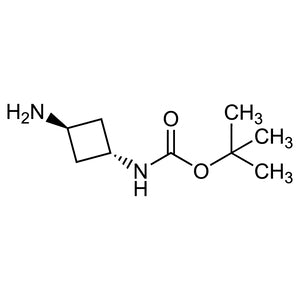
tert-Butyl(trans-3-Aminocyclobutyl)carbamate TCI B6853
Regular price Rp 3.683.400,00Regular priceRp 2.591.400,00Sale price Rp 3.683.400,00 -
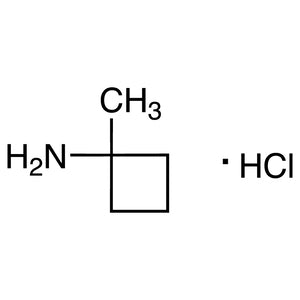
1-Methylcyclobutan-1-amineHydrochloride TCI M3704
Regular price Rp 3.658.200,00Regular priceRp 2.573.550,00Sale price Rp 3.658.200,00 -
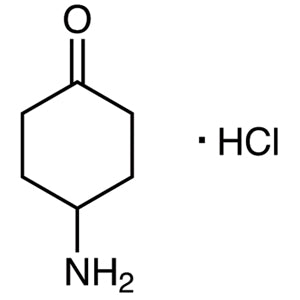
4-AminocyclohexanoneHydrochloride TCI A3070
Regular price From Rp 2.306.850,00Regular priceRp 1.628.550,00Sale price From Rp 2.306.850,00 -
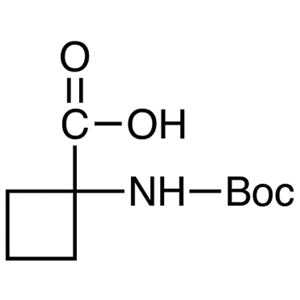
N-tert-Butoxycarbonyl-1-aminocyclobutanecarboxylicAcid TCI B6086
Regular price From Rp 900.900,00Regular priceRp 645.750,00Sale price From Rp 900.900,00