(-)-O-Acetyl-L-malic Anhydride is a chiral chemical compound widely used in asymmetric synthesis to construct molecules with specific stereochemistry and biological activity. This reagent plays a vital role in organic laboratories where precise control over molecular structure is essential. Its unique chiral nature allows chemists to produce enantiomerically pure compounds, which are critical in pharmaceutical and biochemical research. As a building block in complex syntheses, it enables the creation of compounds with defined stereochemical configurations, enhancing the efficiency of drug development and molecular analysis.
The compound’s anhydride structure and reactivity make it a preferred choice for synthetic chemists. It readily reacts with alcohols, amines, and acids, facilitating the formation of esters, amides, and other functional groups. The absence of water in its structure simplifies reaction conditions, reducing the risk of side reactions. Its stability under controlled laboratory conditions further enhances its reliability as a reagent. These properties collectively make it a versatile and efficient tool for synthetic chemists working in both academic and industrial settings.
In Indonesian laboratories, (-)-O-Acetyl-L-malic Anhydride is commonly used in organic chemistry research, particularly in projects involving the synthesis of optically active compounds. It is frequently found in studies related to drug development, molecular structure analysis, and the investigation of chiral reactivity. Its role in creating compounds with specific stereochemistry is crucial for advancing pharmaceutical and biochemical research in the region.
TCI brochures (PDF)
- Chiral Building Blocks 2025-04-14 · p. 14
Related TCI products
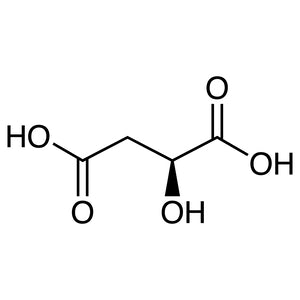
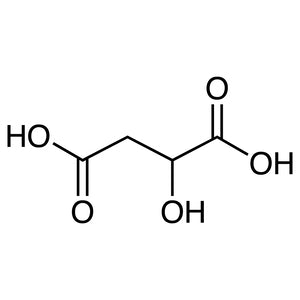
- TCI M0022 97-67-6 L-(-)-Malic Acid
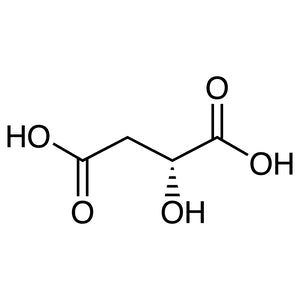
- TCI M0021 636-61-3 D-(+)-Malic Acid
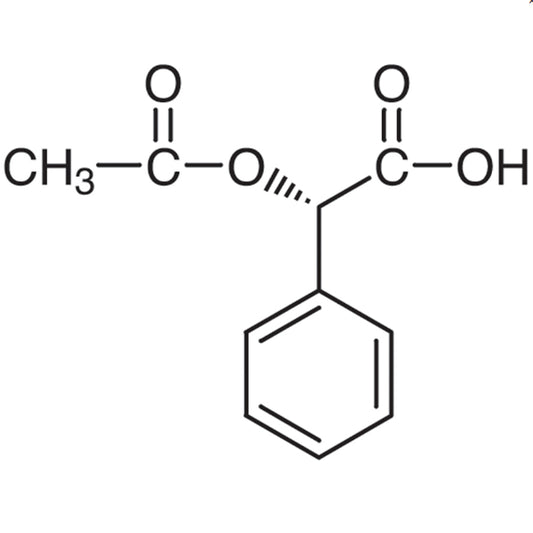
- TCI A1454 7322-88-5 (+)-O-Acetyl-L-mandelic Acid
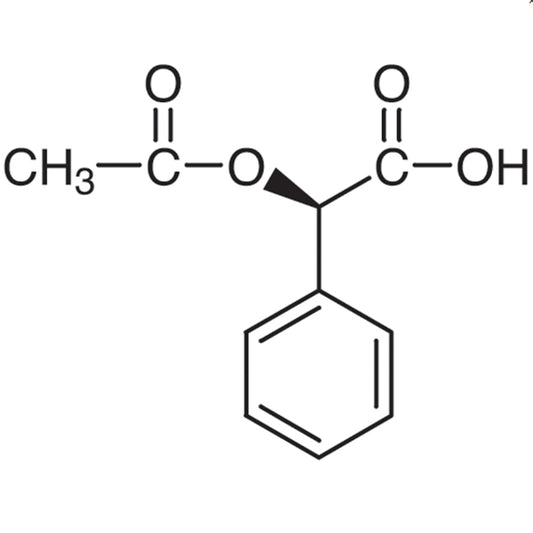
- TCI A1453 51019-43-3 (-)-O-Acetyl-D-mandelic Acid
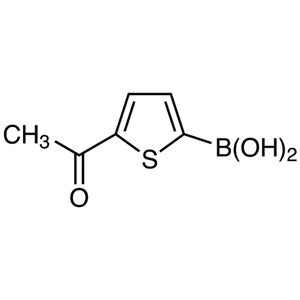
- TCI A2364 206551-43-1 5-Acetyl-2-thiopheneboronic Acid (contains varying amounts of Anhydride)
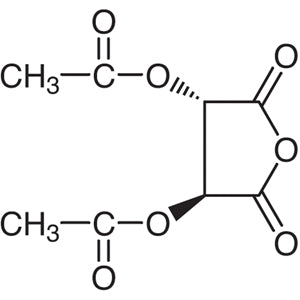
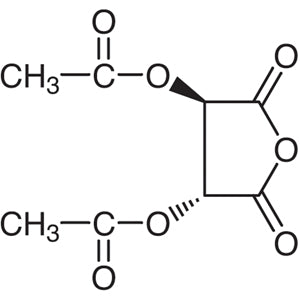
- TCI D2645 70728-23-3 (-)-Diacetyl-D-tartaric Anhydride
- Asymmetric Synthesis: This compound is ideal for creating enantiomerically pure compounds, essential in drug development and bioactive molecule synthesis.
- Organic Chemistry Research: It supports the synthesis of complex molecules with defined stereochemistry, enhancing the accuracy of chemical experiments.
- Pharmaceutical Development: Its chiral nature makes it valuable for producing compounds with specific biological activities required in new drug formulations.
- Structural Analysis: It is used in the study of molecular reactivity and stereochemistry, aiding in the understanding of chiral compound behavior.
- Biochemical Studies: It contributes to research on enzyme interactions and molecular recognition, supporting advancements in biotechnology.
| Brand | TCI |
|---|---|
| CAS number | 59025-03-5 |
| Molecular formula | — |
| Purity | — |
| Category | Chemistry > Asymmetric Synthesis > Chiral Building Blocks |
| Pack sizes | Available in various quantities as per supplier specifications |
| Physical form | Solid anhydride |
| Storage | Store in a cool, dry place away from moisture and light |
This compound should be stored in a cool, dry environment to maintain its chemical integrity. It is recommended to keep it in a sealed container to prevent exposure to moisture and air, which can affect its reactivity. Due to its anhydride nature, it should be handled with care to avoid contact with water or moisture. Laboratory personnel should wear appropriate personal protective equipment, such as gloves and safety goggles, when handling the compound. It should be stored in a well-ventilated area to ensure safe working conditions. Proper storage and handling are essential to preserve its effectiveness and ensure safe laboratory practices.
—
Produk Terkait
-
L-(-)-MalicAcid TCI M0022
Regular price From Rp 689.850,00Regular priceRp 497.700,00Sale price From Rp 689.850,00 -
D-(+)-MalicAcid TCI M0021
Regular price From Rp 769.650,00Regular priceRp 553.350,00Sale price From Rp 769.650,00 -
(+)-O-Acetyl-L-mandelicAcid TCI A1454
Regular price From Rp 1.378.650,00Regular priceRp 979.650,00Sale price From Rp 1.378.650,00 -
(-)-O-Acetyl-D-mandelicAcid TCI A1453
Regular price From Rp 1.113.000,00Regular priceRp 793.800,00Sale price From Rp 1.113.000,00 -
5-Acetyl-2-thiopheneboronicAcid(containsvaryingamountsofAnhydride) TCI A2364
Regular price From Rp 4.240.950,00Regular priceRp 2.980.950,00Sale price From Rp 4.240.950,00 -
(-)-Diacetyl-D-tartaricAnhydride TCI D2645
Regular price From Rp 743.400,00Regular priceRp 519.750,00Sale price From Rp 743.400,00 -
(+)-Diacetyl-L-tartaricAnhydride TCI D1911
Regular price Rp 1.220.100,00Regular priceRp 852.600,00Sale price Rp 1.220.100,00 -
DL-MalicAcid TCI M0020
Regular price From Rp 530.250,00Regular priceRp 386.400,00Sale price From Rp 530.250,00