Divinyl Adipate (stabilized with MEHQ), with CAS number 4074-90-2, is a chemical monomer widely used in materials science and polymer chemistry. It serves as a key component in the synthesis of thermoplastic and elastomeric polymers, offering versatility in creating materials with specific mechanical and chemical properties. In laboratory settings, this compound is essential for polymerization reactions that yield materials with high elasticity and durability. Its role in polymer synthesis makes it a critical reagent for researchers working on advanced material development and modification.
One of the main reasons Divinyl Adipate is preferred is its ability to undergo polymerization to form complex structures, which is vital for creating high-performance materials. The stabilization with MEHQ significantly enhances its chemical stability by preventing oxidative degradation, ensuring a longer shelf life and maintaining the integrity of the material. This makes it ideal for applications requiring long-term chemical stability and consistent performance. Its chemical stability under certain conditions also simplifies its use in various chemical reactions, making it a reliable choice for laboratory experiments.
In Indonesian laboratories, Divinyl Adipate is commonly used in polymer material research, especially in the fields of material technology and chemical engineering. It is a fundamental component in the development of new polymers and is often employed in academic and industrial research settings. Its availability and stability make it a popular choice for both educational and applied research projects in Indonesia.
TCI brochures (PDF)
- Biomaterials Research Reagents 2025-02-19 · p. 16
- Monomers 2025-05-28 · p. 17
Related TCI products
- TCI D1027 78-19-3 3,9-Divinyl-2,4,8,10-tetraoxaspiro[5.5]undecane
- TCI A0824 2998-04-1 Diallyl Adipate
- TCI T3745 3901-77-7 2,4,6-Trimethyl-2,4,6-trivinylcyclotrisiloxane
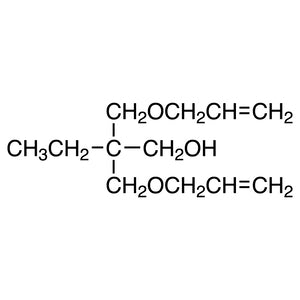
- TCI B3003 682-09-7 2,2-Bis(allyloxymethyl)-1-butanol (contains Mono- and Tri-substituted Product)
- TCI P0264 1623-19-4 Triallyl Phosphate
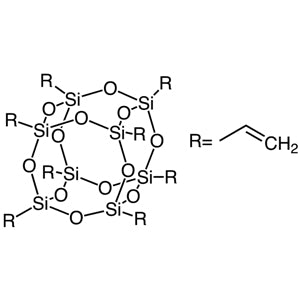
- TCI O0491 69655-76-1 Octavinyloctasilasesquioxane
- Polymer synthesis for thermoplastic and elastomeric materials due to its ability to form complex polymer structures.
- Development of high-performance materials requiring elasticity and durability in industrial and academic research.
- Chemical modification of existing polymers to enhance mechanical and thermal properties in material science experiments.
- Oxidative stability testing in polymer research to evaluate the effectiveness of stabilizers like MEHQ.
- Educational use in polymer chemistry courses to demonstrate polymerization mechanisms and material behavior.
| Brand | TCI |
|---|---|
| CAS number | 4074-90-2 |
| Molecular formula | — |
| Purity | — |
| Category | Materials Science > Polymer/Macromolecule Reagents > Monomers |
| Pack sizes | Available in various quantities as per supplier specifications |
| Physical form | Liquid |
| Storage | Store in a cool, dry place away from light and oxidizing agents |
Divinyl Adipate should be stored in a cool, dry environment, away from direct sunlight and sources of heat. It is recommended to keep the material in a sealed container to prevent exposure to air and moisture. Due to its chemical nature, it is important to handle it with appropriate personal protective equipment, such as gloves and safety goggles, to ensure safety in the laboratory. The compound should be stored in a well-ventilated area, and it should not be exposed to strong oxidizing agents. Proper labeling and storage conditions help maintain its stability and ensure safe handling during laboratory use.
—
Product Categories
- Polymer/Macromolecule ReagentsMonomersDivinyl Monomers and Diallyl Monomers
- Biomaterials/Biocompatible Materials Research ReagentsMonomers and Macromonomers [Biomaterials/Biocompatible Materials Research Reagents]Divinyl Monomers and Diallyl Monomers [Biomaterials/Biocompatible Materials Research Reagents]
Produk Terkait
-
3,9-Divinyl-2,4,8,10-tetraoxaspiro[5.5]undecane TCI D1027
Regular price From Rp 2.730.000,00Regular priceRp 1.924.650,00Sale price From Rp 2.730.000,00 -
DiallylAdipate TCI A0824
Regular price Rp 1.538.250,00Regular priceRp 1.075.200,00Sale price Rp 1.538.250,00 -
2,4,6-Trimethyl-2,4,6-trivinylcyclotrisiloxane TCI T3745
Regular price From Rp 689.850,00Regular priceRp 497.700,00Sale price From Rp 689.850,00 -
2,2-Bis(allyloxymethyl)-1-butanol(containsMono-andTri-substitutedProduct) TCI B3003
Regular price From Rp 689.850,00Regular priceRp 481.950,00Sale price From Rp 689.850,00 -
TriallylPhosphate TCI P0264
Regular price From Rp 4.929.750,00Regular priceRp 3.462.900,00Sale price From Rp 4.929.750,00 -
Octavinyloctasilasesquioxane TCI O0491
Regular price From Rp 1.908.900,00Regular priceRp 1.350.300,00Sale price From Rp 1.908.900,00 -
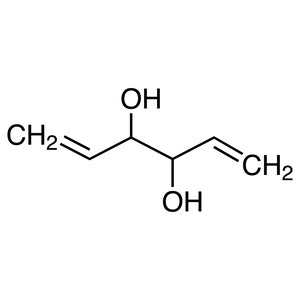
1,5-Hexadiene-3,4-diol(stabilizedwithHQ) TCI H0807
Regular price Rp 4.954.950,00Regular priceRp 3.480.750,00Sale price Rp 4.954.950,00 -
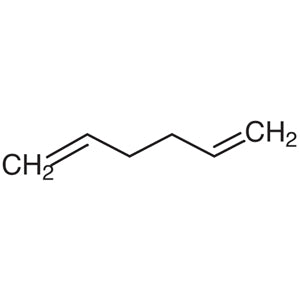
1,5-Hexadiene TCI H0084
Regular price From Rp 848.400,00Regular priceRp 593.250,00Sale price From Rp 848.400,00