Octavinyloctasilasesquioxane is a chemical compound classified under the category of organosilicon compounds. It plays a crucial role in laboratory settings, particularly in the field of organometallic chemistry. This compound is widely used in the synthesis of complex molecules that require intricate silicon-based structures. Its unique chemical properties make it an essential reagent for researchers working on advanced chemical reactions. Due to its stability and reactivity, it is a valuable tool in various synthetic pathways, especially those involving silicon-containing compounds.
The compound is preferred for its reactivity and stability under specific conditions. It exhibits the ability to participate in multiple types of chemical reactions, including substitution, addition, and complexation reactions. These properties make it highly suitable for applications that require precise chemical transformations. Its molecular structure is both complex and stable, allowing it to maintain its integrity during various experimental processes. This makes it a reliable choice for laboratories aiming to achieve high-quality results in complex chemical syntheses.
In Indonesian laboratories, Octavinyloctasilasesquione is commonly used in research related to organometallic chemistry. It is particularly favored for its role in the synthesis of complex silicon-based compounds. Its application is widespread in academic and industrial research settings where advanced chemical reactions are required. The compound’s versatility and effectiveness make it an essential component in the chemical toolkit of Indonesian researchers.
TCI brochures (PDF)
- Please inquire for pricing and availability of listed products to our local sales representatives. Si Si Et 2026-07-16 · p. 18
- Biomaterials Research Reagents 2025-02-19 · p. 17
- Monomers 2025-05-28 · p. 14
Related TCI products
- TCI T3745 3901-77-7 2,4,6-Trimethyl-2,4,6-trivinylcyclotrisiloxane
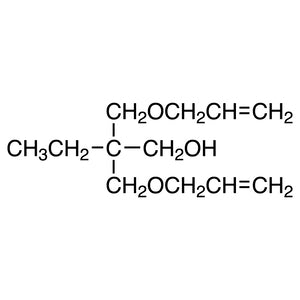
- TCI B3003 682-09-7 2,2-Bis(allyloxymethyl)-1-butanol (contains Mono- and Tri-substituted Product)
- TCI A1188 4074-90-2 Divinyl Adipate (stabilized with MEHQ)
- TCI A0824 2998-04-1 Diallyl Adipate
- TCI P0264 1623-19-4 Triallyl Phosphate
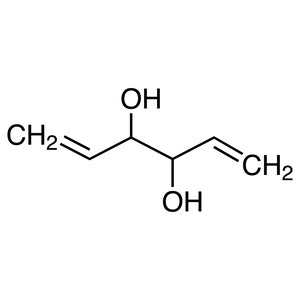
- TCI H0807 1069-23-4 1,5-Hexadiene-3,4-diol (stabilized with HQ)
- Organometallic Synthesis: This compound is ideal for creating complex silicon-based structures, making it essential for advanced chemical research.
- Silicon-Based Compound Development: Its unique molecular structure supports the creation of novel silicon-containing compounds, enhancing research outcomes.
- Catalytic Reactions: The compound’s reactivity allows it to participate in catalytic processes, improving reaction efficiency and selectivity.
- Material Science Research: It is used in the development of new materials that require precise silicon-based molecular configurations.
- Analytical Chemistry Applications: Its stability and reactivity make it suitable for use in analytical methods involving complex chemical interactions.
| Brand | TCI |
|---|---|
| CAS number | 69655-76-1 |
| Molecular formula | — |
| Purity | — |
| Category | Chemistry > Organometallic Reagents > Organosilicon [Organometallic Reagents] |
| Pack sizes | Available in various quantities as per standard laboratory supply |
| Physical form | Solid or liquid, depending on the specific formulation |
| Storage | Store in a cool, dry place away from direct sunlight and moisture |
Octavinyloctasilasesquioxane should be stored in a cool, dry environment to maintain its chemical stability. It is recommended to keep the compound in a tightly sealed container to prevent exposure to moisture and air. Suitable containers include glass or high-density polyethylene bottles, which provide protection against chemical degradation. Due to its reactivity, it is important to handle the compound with care, using appropriate personal protective equipment such as gloves and goggles. Avoid contact with incompatible substances and ensure proper ventilation in the laboratory. Regular monitoring of storage conditions is essential to maintain the compound’s integrity and effectiveness in chemical applications.
—
Product Categories
- Polymer/Macromolecule ReagentsMonomersDivinyl Monomers and Diallyl Monomers
- Polymer/Macromolecule ReagentsMonomersVinyl Monomers
- Biomaterials/Biocompatible Materials Research ReagentsMonomers and Macromonomers [Biomaterials/Biocompatible Materials Research Reagents]Divinyl Monomers and Diallyl Monomers [Biomaterials/Biocompatible Materials Research Reagents]
Produk Terkait
-
2,4,6-Trimethyl-2,4,6-trivinylcyclotrisiloxane TCI T3745
Regular price From Rp 689.850,00Regular priceRp 497.700,00Sale price From Rp 689.850,00 -
2,2-Bis(allyloxymethyl)-1-butanol(containsMono-andTri-substitutedProduct) TCI B3003
Regular price From Rp 689.850,00Regular priceRp 481.950,00Sale price From Rp 689.850,00 -
DivinylAdipate(stabilizedwithMEHQ) TCI A1188
Regular price From Rp 2.730.000,00Regular priceRp 1.908.900,00Sale price From Rp 2.730.000,00 -
DiallylAdipate TCI A0824
Regular price Rp 1.538.250,00Regular priceRp 1.075.200,00Sale price Rp 1.538.250,00 -
TriallylPhosphate TCI P0264
Regular price From Rp 4.929.750,00Regular priceRp 3.462.900,00Sale price From Rp 4.929.750,00 -
1,5-Hexadiene-3,4-diol(stabilizedwithHQ) TCI H0807
Regular price Rp 4.954.950,00Regular priceRp 3.480.750,00Sale price Rp 4.954.950,00 -
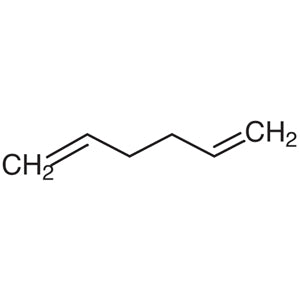
1,5-Hexadiene TCI H0084
Regular price From Rp 848.400,00Regular priceRp 593.250,00Sale price From Rp 848.400,00 -
DiallylMaleate(stabilizedwithHQ) TCI D5508
Regular price From Rp 610.050,00Regular priceRp 442.050,00Sale price From Rp 610.050,00