2-Amino-3-chloro-1,4-naphthoquinone is a chemical compound widely used as a building block in the synthesis of complex molecules. Its aromatic structure provides stability and reactivity, making it a valuable tool for organic chemists. This compound serves as a precursor in various chemical reactions, enabling the creation of more intricate molecular structures. Its versatility is evident in its applications across multiple scientific disciplines, including organic synthesis and pharmaceutical research.
The compound's high reactivity and unique chemical properties make it a preferred choice for laboratory use. It can participate in substitution, reduction, and oxidation reactions, allowing for the modification of molecular structures with precision. Its stability under certain conditions further enhances its usability in synthetic processes. These characteristics make it an essential component for researchers aiming to develop new compounds with potential applications in medicine or industry.
In Indonesian laboratories, 2-Amino-3-chloro-1,4-naphthoquinone is commonly used in organic chemistry and pharmaceutical research. It plays a key role in the development of new compounds with potential medical or industrial applications. Many research institutions and universities in Indonesia rely on this compound to advance their studies and create innovative chemical products.
TCI brochures (PDF)
- Agrochemical Ingredients for Research and Experimental Use 2026-01-08 · p. 4
- Plant Research Reagents 2026-02-24 · p. 10
- Reagents for Biological Research 2025-03-11 · p. 56
Related TCI products
- TCI D2428 22360-86-7 2,3-Dichloro-5-nitro-1,4-naphthoquinone
- TCI A1754 2011-66-7 2-Amino-2'-chloro-5-nitrobenzophenone
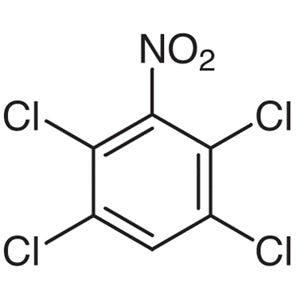
- TCI T0624 117-18-0 2,3,5,6-Tetrachloronitrobenzene
- TCI D5562 2038-44-0 Dichloroglyoxime
- TCI D3912 1836-75-5 2,4-Dichloro-4'-nitrobiphenyl Ether
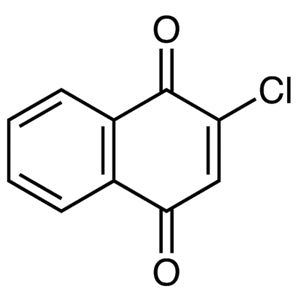
- TCI C2721 1010-60-2 2-Chloro-1,4-naphthoquinone
- Organic synthesis: This compound is ideal for constructing complex molecular structures due to its aromatic stability and reactivity.
- Pharmaceutical research: Its ability to participate in various chemical reactions makes it useful for developing new drug compounds.
- Material chemistry studies: The compound's unique properties enable the synthesis of novel materials with specific functional characteristics.
- Structural modification experiments: Its reactivity allows for precise modification of molecular frameworks in synthetic processes.
- Academic research: It is widely used in educational and research settings to explore chemical reactivity and synthetic pathways.
| Brand | TCI |
|---|---|
| CAS number | 2797-51-5 |
| Molecular formula | — |
| Purity | — |
| Category | Chemistry > Building Blocks > Non-Heterocyclic Building Blocks |
| Pack sizes | Available in various quantities as per standard laboratory supply options |
| Physical form | Solid |
| Storage | Store in a cool, dry place away from direct sunlight |
This compound should be stored in a cool, dry environment to maintain its stability and prevent degradation. It is recommended to use airtight containers to minimize exposure to moisture and air. Due to its reactivity, it should be handled with care, using appropriate personal protective equipment such as gloves and safety goggles. Avoid contact with incompatible substances to ensure safe laboratory practices. Proper labeling of storage containers is essential for safe handling and easy identification. Regular monitoring of storage conditions helps maintain the compound's integrity and ensures its effectiveness in research applications.
—
Product Categories
Produk Terkait
-
2,3-Dichloro-5-nitro-1,4-naphthoquinone TCI D2428
Regular price Rp 4.929.750,00Regular priceRp 3.462.900,00Sale price Rp 4.929.750,00 -
2-Amino-2'-chloro-5-nitrobenzophenone TCI A1754
Regular price From Rp 1.881.600,00Regular priceRp 1.331.400,00Sale price From Rp 1.881.600,00 -
2,3,5,6-Tetrachloronitrobenzene TCI T0624
Regular price From Rp 1.510.950,00Regular priceRp 1.056.300,00Sale price From Rp 1.510.950,00 -
Dichloroglyoxime TCI D5562
Regular price From Rp 2.730.000,00Regular priceRp 1.924.650,00Sale price From Rp 2.730.000,00 -
2,4-Dichloro-4'-nitrobiphenylEther TCI D3912
Regular price Rp 6.943.650,00Regular priceRp 4.855.200,00Sale price Rp 6.943.650,00 -
2-Chloro-1,4-naphthoquinone TCI C2721
Regular price Rp 2.491.650,00Regular priceRp 1.757.700,00Sale price Rp 2.491.650,00