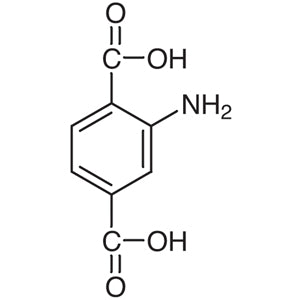
2-Aminoterephthalic Acid is a chemical compound widely used in laboratory settings for its versatile chemical properties. It plays a crucial role in chemical and biochemical experiments, particularly in peptide chemistry and organic synthesis. This compound is valued for its ability to participate in various chemical reactions due to its molecular structure, which includes both an amine group and a carboxylic acid group. Its reactivity makes it an essential component in the development of complex molecules and the study of chemical interactions.
The compound's reactivity and stability under controlled conditions make it a preferred choice for researchers. It exhibits good solubility in polar solvents such as water and acetone, which facilitates its use in a wide range of experimental procedures. Its ability to undergo substitution reactions and form new chemical bonds makes it ideal for applications requiring precise chemical manipulation. Additionally, its chemical stability in specific environments ensures reliable results in laboratory experiments.
In Indonesian laboratories, 2-Aminoterephthalic Acid is commonly used in research related to chemical and biochemical processes. It is frequently employed in academic and industrial research settings where the synthesis of complex compounds and the study of molecular interactions are required. Its availability and chemical properties make it a standard reagent in many laboratories across Indonesia, supporting both educational and applied research activities.
- Peptide Chemistry: 2-Aminoterephthalic Acid is ideal for peptide synthesis due to its ability to form stable chemical bonds and participate in substitution reactions.
- Organic Synthesis: This compound is widely used in the creation of complex organic molecules because of its reactivity and solubility in polar solvents.
- Biochemical Research: It supports biochemical experiments by enabling the study of molecular interactions and chemical transformations in controlled environments.
- Analytical Chemistry: Its distinct chemical properties make it useful in analytical procedures that require precise chemical reactions and controlled conditions.
- Teaching Laboratories: It is commonly used in educational settings to demonstrate chemical reactivity and molecular structure in undergraduate and graduate courses.
| Brand | TCI |
|---|---|
| CAS number | 10312-55-7 |
| Molecular formula | — |
| Purity | — |
| Category | Chemistry > Chemical Biology > Peptide Chemistry |
| Pack sizes | 50g, 250g, 1kg |
| Physical form | White crystalline powder |
| Storage | Store in a cool, dry place away from moisture and direct sunlight |
2-Aminoterephthalic Acid should be stored in a cool, dry place, away from moisture and direct sunlight to maintain its chemical stability. It is recommended to keep the compound in a tightly sealed container to prevent exposure to air and humidity. Due to its reactivity, it should be handled in a well-ventilated laboratory environment to minimize potential chemical interactions. Proper personal protective equipment, such as gloves and safety goggles, should be worn during handling. The compound should not be stored near incompatible materials like strong acids or bases. Regular monitoring of storage conditions is essential to ensure the compound remains in optimal condition for laboratory use.
—
Product Categories
- Organic-Inorganic Hybrid MaterialsMetal Organic Frameworks (MOF) and Their Raw MaterialsOrganic Linker Molecules [Metal Organic Frameworks (MOFs) Precursors]
- Polymer/Macromolecule ReagentsMetal Organic Frameworks (MOF) and Their Raw MaterialsOrganic Linker Molecules [Metal Organic Frameworks (MOFs) Precursors]
Produk Terkait
-
TerephthalicAcid TCI T0166
Regular price From Rp 452.550,00Regular price -
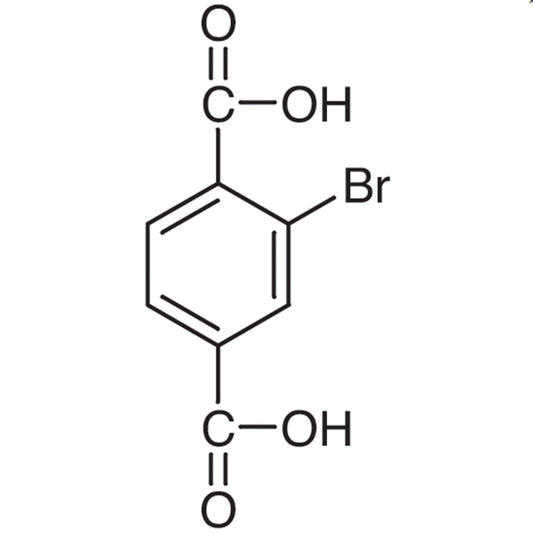
BromoterephthalicAcid TCI B1321
Regular price From Rp 2.306.850,00Regular price -
TetrafluoroterephthalicAcid TCI T0930
Regular price From Rp 980.700,00Regular price -
NitroterephthalicAcid TCI N0272
Regular price From Rp 1.590.750,00Regular price -
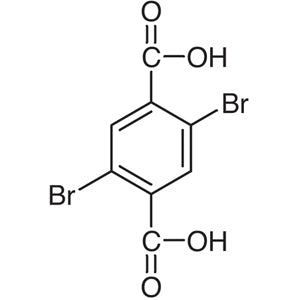
2,5-DibromoterephthalicAcid TCI D3994
Regular price From Rp 2.359.350,00Regular price -
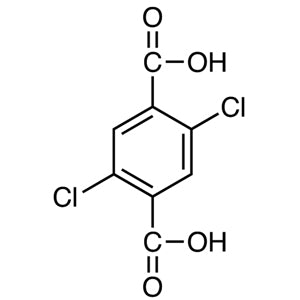
2,5-DichloroterephthalicAcid TCI D1698
Regular price From Rp 769.650,00Regular price -
2,3,5,6-TetrachloroterephthalicAcid TCI C3862
Regular price From Rp 2.571.450,00Regular price -
2-MethylterephthalicAcid TCI M3640
Regular price Rp 3.419.850,00Regular price