3-Amino-5,5-dimethyl-2-cyclohexen-1-one is a chemical compound widely used as a foundational building block in the synthesis of complex molecules. This compound plays a crucial role in organic chemistry by providing a versatile scaffold for the creation of various functional groups and molecular structures. Its presence in cyclic frameworks and amino groups makes it an essential component in the development of new chemical entities. In the laboratory, it is frequently employed in research aimed at producing compounds with specific structural and functional properties.
The compound is valued for its stability and reactivity, which allow it to participate in a wide range of chemical reactions, including nucleophilic, electrophilic, and substitution reactions. These characteristics make it a preferred choice for chemists seeking to manipulate molecular structures with precision. Its ability to undergo various transformation pathways enhances its utility in both academic and industrial research settings. The combination of its chemical properties and structural versatility ensures its relevance in diverse synthetic applications.
In Indonesian laboratories, this compound is commonly used in both pure and applied chemical research. It is particularly popular in academic institutions and research centers where the development of new materials, pharmaceuticals, and polymers is a priority. Its controlled chemical behavior and high reactivity make it a reliable and safe material for use in a variety of experimental conditions. The compound’s role in advancing chemical synthesis in Indonesia underscores its importance in the scientific community.
Related TCI products
- TCI C3191 1855-63-6 Cyclohexene-1-carbonitrile
- TCI C0837 100-45-8 4-Cyano-1-cyclohexene
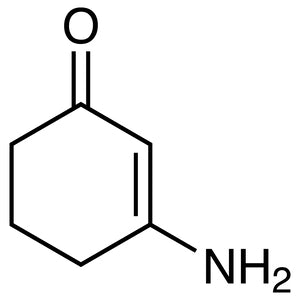
- TCI A1936 5220-49-5 3-Amino-2-cyclohexen-1-one
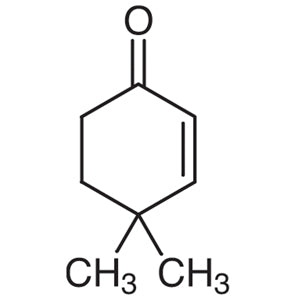
- TCI D3852 1073-13-8 4,4-Dimethyl-2-cyclohexen-1-one
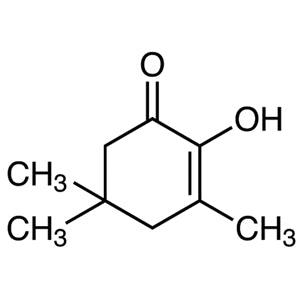
- TCI T2723 4883-60-7 2-Hydroxy-3,5,5-trimethyl-2-cyclohexen-1-one
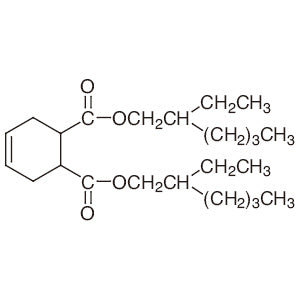
- TCI T0605 2915-49-3 Bis(2-ethylhexyl) 4-Cyclohexene-1,2-dicarboxylate
- Organic synthesis of pharmaceutical compounds due to its cyclic structure and amino group, enabling the creation of complex drug molecules.
- Development of polymer materials because of its ability to undergo substitution reactions, contributing to the formation of diverse polymeric structures.
- Research in medicinal chemistry for the synthesis of bioactive compounds, leveraging its reactivity and structural flexibility.
- Academic teaching and experimentation in chemistry courses, providing students with a fundamental building block for learning synthetic techniques.
- Industrial chemical processes where stable and reactive intermediates are required for the production of specialty chemicals.
| Brand | TCI |
|---|---|
| CAS number | 873-95-0 |
| Molecular formula | — |
| Purity | — |
| Category | Chemistry > Building Blocks > Non-Heterocyclic Building Blocks |
| Pack sizes | Available in various quantities as per standard laboratory supply options |
| Physical form | Liquid |
| Storage | Store in a cool, dry place away from light and incompatible substances |
This compound should be stored in a cool, dry environment, away from direct sunlight and sources of heat. It is recommended to use airtight containers made of glass or high-density polyethylene to prevent contamination and maintain chemical integrity. Due to its reactivity, it should be kept separate from strong oxidizing agents and reactive metals. In laboratory settings, proper ventilation is essential to minimize exposure during handling. Always wear appropriate personal protective equipment, including gloves and safety goggles, when working with this material. Regular monitoring of storage conditions ensures the compound remains stable and safe for use in chemical experiments.
—
Produk Terkait
-
Cyclohexene-1-carbonitrile TCI C3191
Regular price From Rp 1.140.300,00Regular priceRp 812.700,00Sale price From Rp 1.140.300,00 -
4-Cyano-1-cyclohexene TCI C0837
Regular price From Rp 2.464.350,00Regular priceRp 1.738.800,00Sale price From Rp 2.464.350,00 -
3-Amino-2-cyclohexen-1-one TCI A1936
Regular price From Rp 1.563.450,00Regular priceRp 1.108.800,00Sale price From Rp 1.563.450,00 -
4,4-Dimethyl-2-cyclohexen-1-one TCI D3852
Regular price From Rp 3.843.000,00Regular priceRp 2.702.700,00Sale price From Rp 3.843.000,00 -
2-Hydroxy-3,5,5-trimethyl-2-cyclohexen-1-one TCI T2723
Regular price Rp 1.273.650,00Regular priceRp 890.400,00Sale price Rp 1.273.650,00 -
Bis(2-ethylhexyl)4-Cyclohexene-1,2-dicarboxylate TCI T0605
Regular price From Rp 477.750,00Regular priceRp 333.900,00Sale price From Rp 477.750,00 -
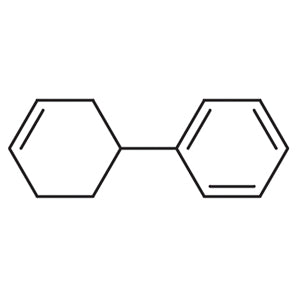
4-Phenyl-1-cyclohexene TCI P1445
Regular price From Rp 6.228.600,00Regular priceRp 4.355.400,00Sale price From Rp 6.228.600,00 -
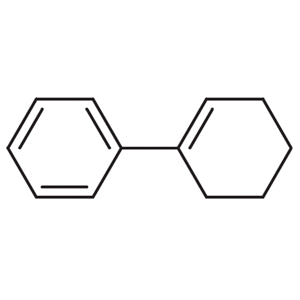
1-Phenyl-1-cyclohexene TCI P1302
Regular price From Rp 1.298.850,00Regular priceRp 908.250,00Sale price From Rp 1.298.850,00