1,3-Adamantanediacetic Acid is a chemical compound widely used in research applications within materials science and organic chemistry. This material plays a crucial role in the synthesis of complex compounds, particularly in the development of Metal Organic Frameworks (MOFs), which are porous materials with unique properties. In the laboratory, it serves as a key component in the formation of MOFs, contributing to their structural integrity and functional characteristics. Its versatility makes it an essential reagent for researchers exploring advanced material synthesis and functional chemistry.
The compound is preferred due to its complex molecular structure and its ability to form covalent bonds with metals. These properties enable the creation of stable MOFs with precisely controlled pores, which are vital for various applications. Additionally, its good solubility in organic solvents simplifies the synthesis and processing steps in laboratory settings. This solubility ensures efficient integration into reaction mixtures, enhancing the reproducibility and scalability of MOF synthesis processes.
In Indonesian laboratories, 1,3-Adamantanediacetic Acid is extensively used in material science and chemical research. It is a common reagent in academic and research institutions, supporting the development of innovative materials and advancing studies in organic chemistry. Its presence in both academic and industrial research environments highlights its importance in the scientific community of Indonesia.
TCI brochures (PDF)
- Organic Linker Molecules for Metal Organic Frameworks (MOFs) 2026-05-11 · p. 3
- Metal Organic Frameworks (MOFs) synthesis: This compound is ideal for creating MOFs due to its ability to form stable metal-ligand bonds, enabling the construction of highly porous and functional materials.
- Catalytic research: Its structural properties make it suitable for catalytic applications where controlled pore size and surface area are essential for enhancing reaction efficiency.
- Gas storage and separation: The compound's role in MOF synthesis supports applications in gas storage and separation, where high surface area and porosity are critical.
- Organic synthesis: Its solubility and reactivity make it a valuable reagent in the synthesis of complex organic molecules.
- Filtration material development: The compound contributes to the creation of advanced filtration materials by enabling the formation of porous structures with tailored properties.
| Brand | TCI |
|---|---|
| CAS number | 17768-28-4 |
| Molecular formula | — |
| Purity | — |
| Category | Materials Science > Organic-Inorganic Hybrid Materials > Metal Organic Frameworks (MOF) and Their Raw Materials |
| Pack sizes | Available in various quantities as per standard laboratory supply |
| Physical form | Solid (as per standard product description) |
| Storage | Store in a cool, dry place away from moisture and direct sunlight |
This compound should be stored in a cool, dry environment to maintain its chemical integrity. It is recommended to use airtight containers to prevent exposure to moisture and air, which could affect its stability. Since it is a solid, it should be kept in a secure location away from potential sources of heat or direct sunlight. Laboratory personnel should wear appropriate personal protective equipment, such as gloves and safety goggles, when handling the material. Proper ventilation should be maintained in the workspace to ensure safe handling. Regular monitoring of storage conditions is advised to ensure the material remains in optimal condition for use in research applications.
—
Product Categories
- Organic-Inorganic Hybrid MaterialsMetal Organic Frameworks (MOF) and Their Raw MaterialsOrganic Linker Molecules [Metal Organic Frameworks (MOFs) Precursors]
- Polymer/Macromolecule ReagentsMetal Organic Frameworks (MOF) and Their Raw MaterialsOrganic Linker Molecules [Metal Organic Frameworks (MOFs) Precursors]
Produk Terkait
-
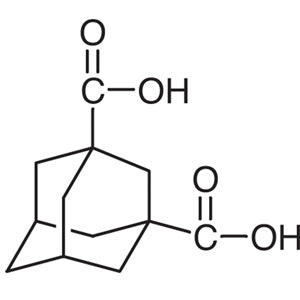
1,3-AdamantanedicarboxylicAcid TCI A1358
Regular price From Rp 1.749.300,00Regular priceRp 1.223.250,00Sale price From Rp 1.749.300,00 -
Adamantane-1,3-diamine TCI A3265
Regular price From Rp 3.472.350,00Regular priceRp 2.443.350,00Sale price From Rp 3.472.350,00 -
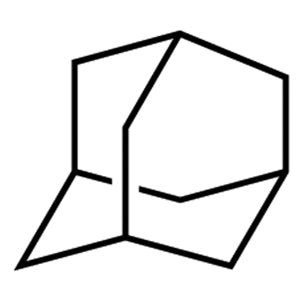
Adamantane(purifiedbysublimation) TCI A3233
Regular price From Rp 1.644.300,00Regular priceRp 1.149.750,00Sale price From Rp 1.644.300,00 -
Adamantane TCI A0696
Regular price From Rp 1.035.300,00Regular priceRp 723.450,00Sale price From Rp 1.035.300,00 -
1,3-Adamantanediol TCI A1531
Regular price From Rp 1.801.800,00Regular priceRp 1.275.750,00Sale price From Rp 1.801.800,00 -
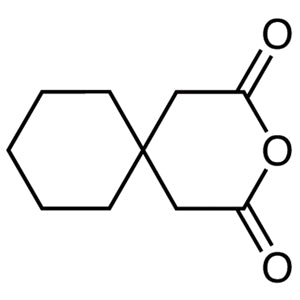
1,1-CyclohexanediaceticAnhydride TCI C2533
Regular price Rp 2.411.850,00Regular priceRp 1.686.300,00Sale price Rp 2.411.850,00 -
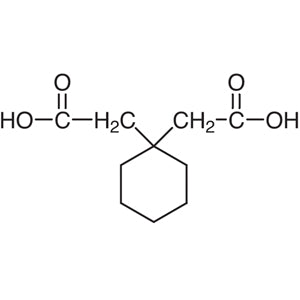
1,1-CyclohexanediaceticAcid TCI C1444
Regular price From Rp 477.750,00Regular priceRp 333.900,00Sale price From Rp 477.750,00 -
AcetylenedicarboxylicAcid TCI A0088
Regular price From Rp 1.220.100,00Regular priceRp 868.350,00Sale price From Rp 1.220.100,00