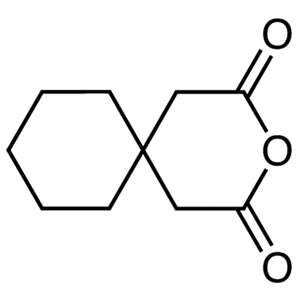
1,1-Cyclohexanediacetic Anhydride is a chemical compound widely used in organic synthesis reactions to produce complex organic molecules. It serves as a key reagent in esterification and anhydride formation processes, which are essential steps in the development of cyclic carbon-based compounds. This compound is particularly valuable in chemical laboratories where high reactivity and specificity in reactions are required. Its stability and reactivity make it a versatile tool for synthetic chemists working on a variety of molecular structures.
The compound's molecular structure provides a stable foundation for chemical transformations, while its reactivity allows for efficient participation in various synthetic pathways. Its anhydride form ensures that the molecule remains intact during synthesis, minimizing the risk of degradation or unwanted side reactions. This characteristic makes it ideal for use in both research and educational settings, where maintaining molecular integrity is crucial. Additionally, its compatibility with a range of solvents and reaction conditions enhances its utility in diverse laboratory environments.
In Indonesian laboratories, 1,1-Cyclohexanediacetic Anhydride is commonly used in organic chemistry research and academic teaching. It is a staple in both research institutions and universities, supporting experiments that require precise chemical reactions and stable molecular structures. Its reliability and effectiveness have made it a trusted material among chemists in Indonesia, contributing to the advancement of chemical studies and education.
Related TCI products
- Organic synthesis reactions benefit from this compound's ability to form esters and anhydrides efficiently, supporting the creation of complex cyclic structures.
- It is ideal for esterification processes due to its stability and reactivity, making it suitable for creating ester derivatives in controlled environments.
- In academic settings, it is used to teach fundamental organic chemistry principles, including anhydride formation and reaction mechanisms.
- Its use in cyclic compound synthesis allows researchers to explore molecular structures that are essential in pharmaceutical and materials science.
- The compound's compatibility with various solvents makes it a versatile choice for both research and educational experiments in chemical laboratories.
| Brand | TCI |
|---|---|
| CAS number | 1010-26-0 |
| Molecular formula | — |
| Purity | — |
| Category | Chemistry > Building Blocks > Non-Heterocyclic Building Blocks |
| Pack sizes | Available in various quantities as per supplier specifications |
| Physical form | Solid |
| Storage | Store in a cool, dry place away from moisture and direct sunlight |
This compound should be stored in a cool, dry place, away from moisture and direct sunlight to maintain its stability and reactivity. It is recommended to use airtight containers to prevent exposure to air and humidity, which could affect its chemical integrity. In laboratory settings, it should be handled with appropriate personal protective equipment, such as gloves and safety goggles, to ensure safety during use. Due to its reactivity, it should be stored separately from incompatible substances to avoid any potential chemical interactions. Proper labeling and storage practices are essential to maintain the compound's effectiveness and ensure safe handling in both research and educational environments.
—
Produk Terkait
-
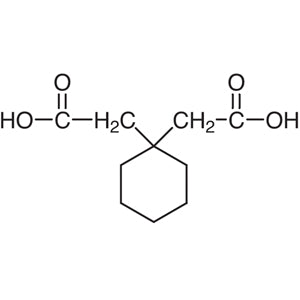
1,1-CyclohexanediaceticAcid TCI C1444
Regular price From Rp 477.750,00Regular price -
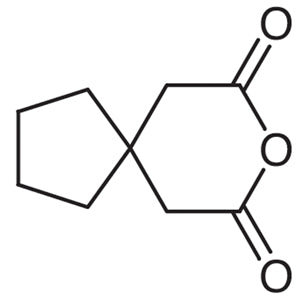
1,1-CyclopentanediaceticAnhydride TCI C0839
Regular price Rp 1.565.550,00Regular price -
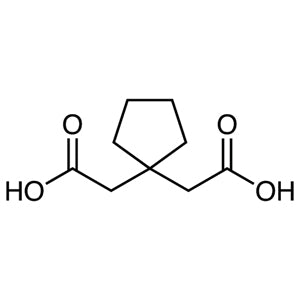
1,1-CyclopentanediaceticAcid TCI C0838
Regular price Rp 769.650,00Regular price -
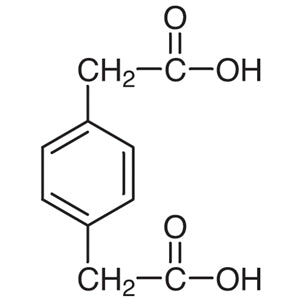
1,4-PhenylenediaceticAcid TCI P1433
Regular price From Rp 1.724.100,00Regular price -
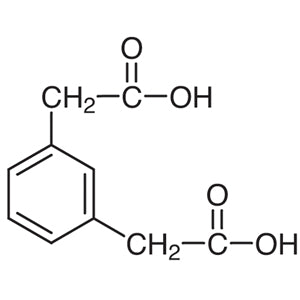
1,3-PhenylenediaceticAcid TCI P1064
Regular price From Rp 1.670.550,00Regular price -
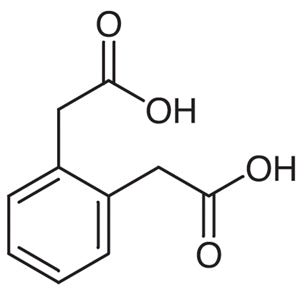
1,2-PhenylenediaceticAcid TCI P1052
Regular price Rp 1.008.000,00Regular price -
ValericAnhydride TCI V0006
Regular price From Rp 875.700,00Regular price -
3-BromophthalicAnhydride TCI B4061
Regular price From Rp 1.246.350,00Regular price