1,3-Adamantanediol is a chemical compound widely used as a building block in the synthesis of complex molecules. Its unique molecular structure features two hydroxyl groups positioned at the 1 and 3 positions on the adamantan framework, making it a versatile intermediate in organic chemistry. In the laboratory, this compound plays a crucial role in the development of both heterocyclic and non-heterocyclic compounds with specific biological activities. Its structural stability and controlled reactivity make it an essential component in various synthetic pathways.
The compound's chemical neutrality and controlled reactivity are key factors that make it a preferred choice for laboratory applications. Its molecules are resistant to degradation, allowing for longer storage without loss of quality. This stability ensures consistent performance across different experimental conditions, making it a reliable material for researchers. Additionally, its non-reactive nature reduces the risk of unwanted side reactions, enhancing the precision and reproducibility of chemical processes.
In Indonesian laboratories, 1,3-Adamantanediol is commonly used in organic chemistry, pharmaceutical, and materials research. It is frequently applied in the synthesis of compounds with potential medical or industrial applications. Its role in creating stable molecular structures supports innovation in drug development and advanced material design, making it a valuable resource for scientific research in Indonesia.
TCI brochures (PDF)
- Biomaterials Research Reagents 2025-02-19 · p. 19
- Monomers 2025-05-28 · p. 23
Related TCI products
- TCI P0670 625-69-4 2,4-Pentanediol
- TCI P0050 111-29-5 1,5-Pentanediol
- TCI H1415 38584-37-1 3-(Hydroxymethyl)-1-adamantanol
- TCI D2619 57987-55-0 2,4-Diethyl-1,5-pentanediol (DL- and meso- mixture)
- TCI C2534 59719-74-3 1,3-Cyclopentanediol (cis- and trans- mixture)
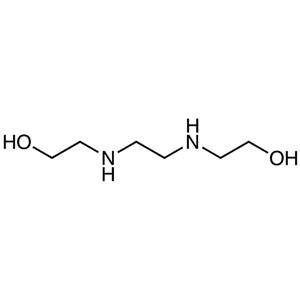
- TCI B3807 4439-20-7 N,N'-Bis(2-hydroxyethyl)ethylenediamine
- Organic synthesis applications benefit from 1,3-Adamantanediol's stable structure and controlled reactivity, enabling the creation of complex molecules with specific biological activities.
- Pharmaceutical research utilizes this compound to develop new drugs, as its molecular framework supports the synthesis of compounds with targeted therapeutic effects.
- Material science applications leverage its structural stability for the production of advanced polymers and functional materials with enhanced properties.
- Chemical research laboratories use 1,3-Adamantanediol as a building block for the synthesis of heterocyclic and non-heterocyclic compounds with diverse applications.
- Analytical chemistry studies incorporate this compound to test reaction conditions and evaluate the performance of synthetic pathways in controlled environments.
| Brand | TCI |
|---|---|
| CAS number | 5001-18-3 |
| Molecular formula | — |
| Purity | — |
| Category | Chemistry > Building Blocks > Non-Heterocyclic Building Blocks |
| Pack sizes | — |
| Physical form | — |
| Storage | Store in a cool, dry place away from direct sunlight |
1,3-Adamantanediol should be stored in a cool, dry environment to maintain its chemical stability and prevent degradation. It is recommended to keep the compound in a sealed container to minimize exposure to moisture and air. Suitable storage containers include glass or high-density polyethylene (HDPE) bottles, which provide protection against chemical interactions. Laboratory personnel should handle the compound with care, using appropriate personal protective equipment (PPE) such as gloves and safety goggles. Since the compound is chemically neutral and non-reactive, it generally does not pose significant hazards under normal storage conditions. However, it is important to follow standard laboratory safety protocols to ensure safe handling and storage practices.
—
Product Categories
Produk Terkait
-
2,4-Pentanediol TCI P0670
Regular price From Rp 3.153.150,00Regular priceRp 2.220.750,00Sale price From Rp 3.153.150,00 -
1,5-Pentanediol TCI P0050
Regular price From Rp 557.550,00Regular priceRp 405.300,00Sale price From Rp 557.550,00 -
3-(Hydroxymethyl)-1-adamantanol TCI H1415
Regular price From Rp 1.378.650,00Regular priceRp 979.650,00Sale price From Rp 1.378.650,00 -
2,4-Diethyl-1,5-pentanediol(DL-andmeso-mixture) TCI D2619
Regular price From Rp 980.700,00Regular priceRp 701.400,00Sale price From Rp 980.700,00 -
1,3-Cyclopentanediol(cis-andtrans-mixture) TCI C2534
Regular price Rp 3.922.800,00Regular priceRp 2.758.350,00Sale price Rp 3.922.800,00 -
N,N'-Bis(2-hydroxyethyl)ethylenediamine TCI B3807
Regular price Rp 3.498.600,00Regular priceRp 2.446.500,00Sale price Rp 3.498.600,00 -
trans-2-Butene-1,4-diol TCI B3384
Regular price From Rp 2.809.800,00Regular priceRp 1.980.300,00Sale price From Rp 2.809.800,00 -
2,2'-Bis(hydroxymethyl)diphenylEther TCI B1643
Regular price From Rp 3.815.700,00Regular priceRp 2.683.800,00Sale price From Rp 3.815.700,00