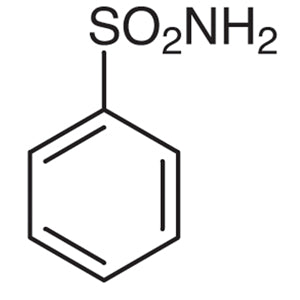
4-(2-Aminoethyl)benzenesulfonamide is a chemical compound widely used as a building block in the synthesis of complex molecules. Its structure combines an amino group with a sulfonamide functional group, making it a versatile intermediate in organic chemistry. This compound plays a crucial role in laboratory settings where the development of new compounds or the modification of existing ones is required. Due to its reactivity and functional group versatility, it is frequently employed in synthetic pathways that demand high chemical activity.
The compound's chemical properties, including its stability under certain conditions and good solubility in organic solvents, make it a preferred choice for researchers. These characteristics allow for efficient processing and separation during chemical reactions, enhancing the overall efficiency of laboratory workflows. Its ability to form stable bonds with various functional groups further contributes to its popularity in synthetic chemistry. The compound’s reliability and consistency in performance are key factors in its widespread use.
In Indonesian laboratories, 4-(2-Aminoethyl)benzenesulfonamide is commonly utilized in pharmaceutical and organic chemistry research. It is a fundamental component in the development of new drugs and industrial chemicals. Many research institutions and universities in Indonesia rely on this compound for its role in creating and modifying complex chemical structures. Its availability and reliability make it an essential tool for scientific innovation in the region.
Related TCI products
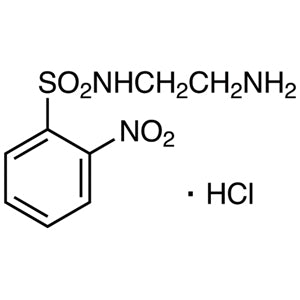
- TCI A2329 92504-03-5 N-(2-Aminoethyl)-2-nitrobenzenesulfonamide Hydrochloride
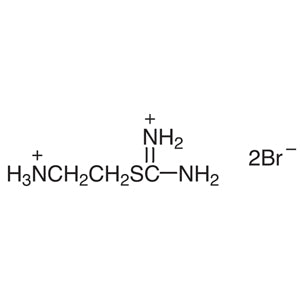
- TCI A1078 56-10-0 S-(2-Aminoethyl)isothiouronium Bromide Hydrobromide
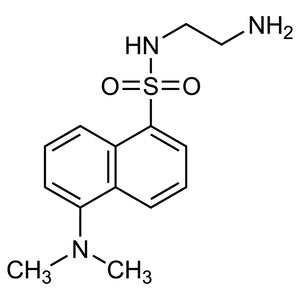
- TCI D6499 35060-08-3 N-(2-Aminoethyl)-5-(dimethylamino)naphthalene-1-sulfonamide
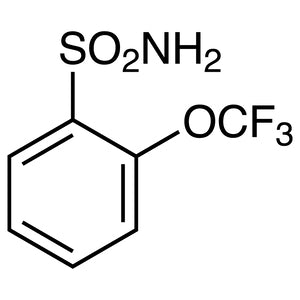
- TCI T2604 37526-59-3 2-(Trifluoromethoxy)benzenesulfonamide
- TCI B0028 98-10-2 Benzenesulfonamide
- TCI B1445 4741-99-5 N,N'-Bis(2-aminoethyl)-1,3-propanediamine
- Pharmaceutical research utilizes this compound for the synthesis of drug molecules due to its reactivity and functional group versatility.
- Organic chemistry experiments benefit from its ability to form stable bonds with various functional groups, enhancing synthetic pathways.
- Industrial chemical development incorporates this compound as a building block for creating complex organic structures.
- Analytical chemistry applications leverage its solubility in organic solvents for efficient processing and separation techniques.
- Academic research institutions use it for the modification and development of new chemical compounds in both basic and applied research.
| Brand | TCI |
|---|---|
| CAS number | 35303-76-5 |
| Molecular formula | — |
| Purity | — |
| Category | Chemistry > Building Blocks > Non-Heterocyclic Building Blocks |
| Pack sizes | Available in various quantities as per standard laboratory supply |
| Physical form | Solid |
| Storage | Store in a cool, dry place away from direct sunlight |
This compound should be stored in a cool, dry environment to maintain its chemical stability. It is recommended to keep it in a sealed container to prevent moisture absorption. Suitable containers include glass or high-density polyethylene vessels that are resistant to chemical degradation. General laboratory precautions include handling in a well-ventilated area and avoiding contact with skin or eyes. Due to its chemical nature, it should be stored away from incompatible substances such as strong oxidizers. Proper labeling and storage conditions are essential to ensure safety and maintain the compound’s integrity over time.
—
Produk Terkait
-
N-(2-Aminoethyl)-2-nitrobenzenesulfonamideHydrochloride TCI A2329
Regular price Rp 3.815.700,00Regular priceRp 2.683.800,00Sale price Rp 3.815.700,00 -
S-(2-Aminoethyl)isothiouroniumBromideHydrobromide TCI A1078
Regular price Rp 2.147.250,00Regular priceRp 1.517.250,00Sale price Rp 2.147.250,00 -
N-(2-Aminoethyl)-5-(dimethylamino)naphthalene-1-sulfonamide TCI D6499
Regular price Rp 1.988.700,00Regular priceRp 1.405.950,00Sale price Rp 1.988.700,00 -
2-(Trifluoromethoxy)benzenesulfonamide TCI T2604
Regular price From Rp 689.850,00Regular priceRp 497.700,00Sale price From Rp 689.850,00 -
Benzenesulfonamide TCI B0028
Regular price From Rp 1.272.600,00Regular priceRp 905.100,00Sale price From Rp 1.272.600,00 -
N,N'-Bis(2-aminoethyl)-1,3-propanediamine TCI B1445
Regular price Rp 1.378.650,00Regular priceRp 963.900,00Sale price Rp 1.378.650,00 -
Bis(2-dimethylaminoethyl)Ether TCI B1291
Regular price From Rp 900.900,00Regular priceRp 645.750,00Sale price From Rp 900.900,00 -
4-(2-Aminoethyl)cyclohexylamine(cis-andtrans-mixture) TCI A2609
Regular price From Rp 3.232.950,00Regular priceRp 2.276.400,00Sale price From Rp 3.232.950,00