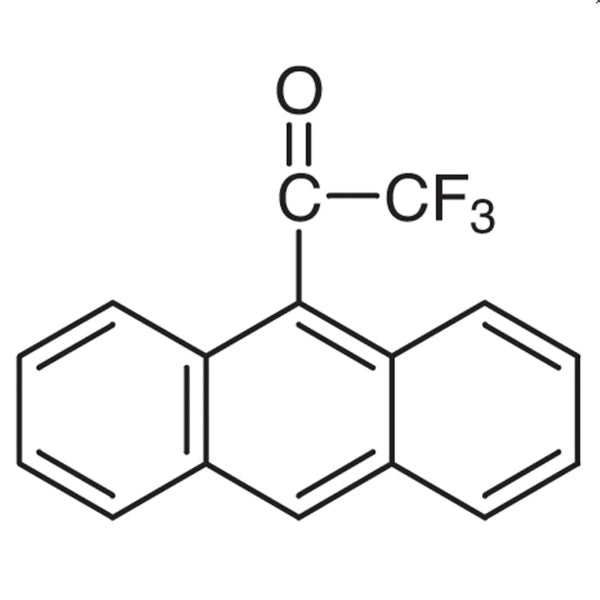
9-Trifluoroacetylanthracene is a specialized organic compound used in advanced laboratory research, particularly in the synthesis of complex molecules requiring fluorine substitution. As a fluorinated building block, it plays a crucial role in organic chemistry by enabling the creation of highly functionalized compounds with unique chemical properties. Its molecular structure combines the aromatic framework of anthracene with a trifluoroacetyl group, enhancing its reactivity and stability in various chemical environments. This compound is widely utilized in laboratories for its ability to participate in substitution and functionalization reactions, making it a valuable tool for chemists working on fluorinated materials and pharmaceutical compounds.
The compound's high reactivity and polarity stem from its fluorine content and complex molecular architecture. These properties make it an ideal candidate for applications requiring precise chemical modifications. Its stability under controlled conditions further ensures that it remains effective in a range of experimental setups. The presence of fluorine atoms also contributes to its unique solubility and reactivity profiles, which are essential for specific synthetic pathways. These characteristics position 9-Trifluoroacetylanthracene as a preferred choice for researchers aiming to develop new materials and pharmaceuticals.
In Indonesian laboratories, this compound is commonly used in scientific research that involves fluorinated compounds. It is particularly relevant in the development of pharmaceuticals, electronic materials, and other advanced chemical products. Due to its specialized nature, it is often employed in academic and industrial research settings where precise chemical control is necessary. Its limited availability also underscores its importance as a key reagent in specialized chemical processes.
TCI brochures (PDF)
- Fluorination Reagents, Fluorinated Building Blocks 2026-03-18 · p. 36
Related TCI products
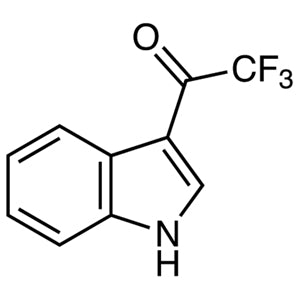
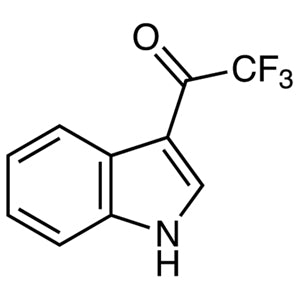
- TCI T1809 14618-45-2 3-(Trifluoroacetyl)indole
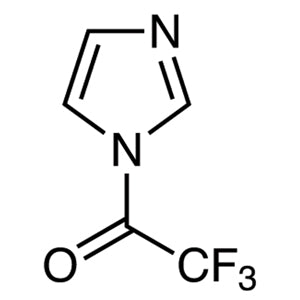
- TCI T0670 1546-79-8 1-(Trifluoroacetyl)imidazole
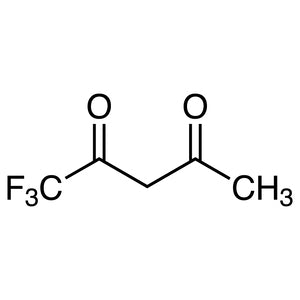
- TCI T0434 367-57-7 Trifluoroacetylacetone
- TCI H0476 1522-22-1 Hexafluoroacetylacetone
- TCI B5130 1378387-81-5 7-Bromo-2-(chloroacetyl)-9,9-difluorofluorene
- TCI B1127 684-78-6 N,O-Bis(trifluoroacetyl)hydroxylamine
- Fluorinated Compound Synthesis: This compound is ideal for creating fluorinated derivatives due to its reactivity and stability, enabling precise functional group modifications.
- Pharmaceutical Research: Its unique structure supports the development of new drug molecules, especially those requiring fluorine substitution for enhanced biological activity.
- Organic Functionalization Studies: The compound's ability to participate in substitution reactions makes it a valuable tool for studying chemical reactivity and functional group transformations.
- Electronic Material Development: Its fluorinated nature makes it suitable for synthesizing materials used in advanced electronic applications, such as semiconductors and coatings.
- Academic Research: It is frequently used in university and research institutions for teaching and experimental work involving complex organic synthesis techniques.
| Brand | TCI |
|---|---|
| CAS number | 53531-31-0 |
| Molecular formula | — |
| Purity | — |
| Category | Chemistry > Building Blocks > Fluorinated Building Blocks |
| Pack sizes | As per supplier specifications |
| Physical form | Solid (as per standard chemical properties) |
| Storage | Store in a cool, dry place away from light and moisture |
This compound should be stored in a cool, dry environment, away from direct light and moisture to maintain its stability and reactivity. It is recommended to use airtight containers made of materials that are chemically inert, such as glass or high-density polyethylene, to prevent contamination and degradation. Due to its fluorinated nature, it may react with certain materials, so handling should be done with care, using appropriate personal protective equipment. In laboratory settings, it should be kept in a well-ventilated area to minimize exposure. Regular monitoring of storage conditions is advised to ensure the compound remains in optimal condition for use in research applications.
—
Produk Terkait
-
3-(Trifluoroacetyl)indole TCI T1809
Regular price From Rp 1.326.150,00Regular price -
1-(Trifluoroacetyl)imidazole TCI T0670
Regular price From Rp 1.298.850,00Regular price -
Trifluoroacetylacetone TCI T0434
Regular price From Rp 3.075.450,00Regular price -
Hexafluoroacetylacetone TCI H0476
Regular price From Rp 1.590.750,00Regular price -
7-Bromo-2-(chloroacetyl)-9,9-difluorofluorene TCI B5130
Regular price Rp 2.068.500,00Regular price -
N,O-Bis(trifluoroacetyl)hydroxylamine TCI B1127
Regular price Rp 2.889.600,00Regular price -
2-tert-Butylanthracene TCI B3541
Regular price From Rp 2.227.050,00Regular price -
4-Trifluoroacetyl-3-methyl-1-phenyl-5-pyrazolone TCI T1286
Regular price Rp 2.730.000,00Regular price