(3-Acrylamidopropyl)trimethylammonium chloride (APTAC) is a key chemical compound widely used in pharmaceutical research and drug delivery system (DDS) development. As a cationic surfactant, it plays a vital role in enhancing the solubility and stability of active pharmaceutical ingredients within formulations. Its unique molecular structure allows it to interact effectively with various biomolecules, making it a versatile tool for researchers working in drug formulation and delivery. APTAC is commonly employed in laboratories to modify surfaces and improve the physical and chemical properties of drugs, contributing to more efficient and safer therapeutic applications.
APTAC is preferred due to its chemical stability, water solubility, and long shelf life, which are further enhanced by stabilization with MEHQ. This ensures that the compound remains resistant to oxidation and maintains its quality over extended storage periods. Its compatibility with a wide range of biomolecules and its ability to enhance drug delivery efficiency make it an ideal choice for precision-based research. The compound’s consistent performance and reliability are essential in laboratory settings where reproducibility and accuracy are critical.
In Indonesian laboratories, APTAC is frequently used in pharmaceutical research, pharmacological studies, and drug development projects. It supports the work of researchers and educational institutions by providing a reliable material for formulating and testing new drug delivery systems. Its relevance in these contexts underscores its importance in advancing scientific innovation and academic research in Indonesia.
TCI brochures (PDF)
- Drug Delivery System (DDS) Research Reagents 2025-01-29 · p. 2
- Quaternary Ammonium Salts 2025-11-10 · p. 4
- Biomaterials Research Reagents 2025-02-19 · p. 11
- Monomers 2025-05-28 · p. 10
Related TCI products
- TCI M0918 5039-78-1 Methacroylcholine Chloride (ca 80% in Water) (stabilized with MEHQ)
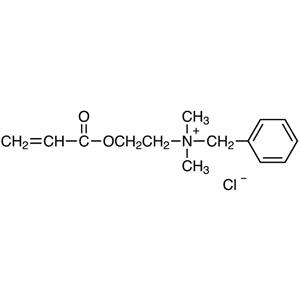
- TCI A3310 46830-22-2 N-(2-Acryloyloxyethyl)-N-benzyl-N,N-dimethylammonium Chloride (ca. 75% in water) (stabilized with MEHQ)
- TCI A0139 79-06-1 Acrylamide Monomer
- TCI A0142 141-32-2 Butyl Acrylate (stabilized with MEHQ)
- TCI M2359 24249-95-4 3-[[2-(Methacryloyloxy)ethyl]dimethylammonio]propionate
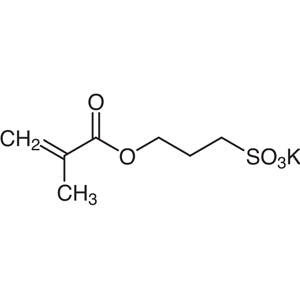
- TCI M1158 31098-21-2 3-Sulfopropyl Methacrylate Potassium Salt
- Drug formulation and delivery system development due to its ability to enhance solubility and stability of active ingredients.
- Surface modification in pharmaceutical research to improve the interaction between drug molecules and biological systems.
- Stability testing of pharmaceutical compounds as it provides a reliable reference for assessing chemical integrity.
- Research in pharmacological studies where interaction with biomolecules is crucial for drug efficacy and targeting.
- Development of novel drug delivery technologies requiring precise control over molecular interactions and formulation properties.
| Brand | TCI |
|---|---|
| CAS number | 45021-77-0 |
| Molecular formula | — |
| Purity | — |
| Category | Chemistry > Pharmaceutical Development and Drug Discovery Research Reagents > Drug Delivery Systems (DDS) |
| Pack sizes | — |
| Physical form | — |
| Storage | Store in a cool, dry place away from light and sources of heat |
APTAC should be stored in a cool, dry environment, away from direct sunlight and heat sources to maintain its chemical stability. It is recommended to use airtight containers to prevent moisture absorption and contamination. Since it is stabilized with MEHQ, it is less prone to oxidation but should still be handled with care to avoid exposure to strong oxidizing agents. In laboratory settings, it is important to follow standard chemical safety protocols, including proper labeling and storage in designated chemical cabinets. Regular inspection of storage conditions is advised to ensure the compound remains in optimal condition for research use.
—
Product Categories
Produk Terkait
-
MethacroylcholineChloride(ca80%inWater)(stabilizedwithMEHQ) TCI M0918
Regular price From Rp 662.550,00Regular priceRp 478.800,00Sale price From Rp 662.550,00 -
N-(2-Acryloyloxyethyl)-N-benzyl-N,N-dimethylammoniumChloride(ca.75%inwater)(stabilizedwithMEHQ) TCI A3310
Regular price From Rp 1.008.000,00Regular priceRp 720.300,00Sale price From Rp 1.008.000,00 -
AcrylamideMonomer TCI A0139
Regular price From Rp 505.050,00Regular priceRp 352.800,00Sale price From Rp 505.050,00 -
ButylAcrylate(stabilizedwithMEHQ) TCI A0142
Regular price From Rp 505.050,00Regular priceRp 352.800,00Sale price From Rp 505.050,00 -
3-[[2-(Methacryloyloxy)ethyl]dimethylammonio]propionate TCI M2359
Regular price From Rp 2.969.400,00Regular priceRp 2.091.600,00Sale price From Rp 2.969.400,00 -
3-SulfopropylMethacrylatePotassiumSalt TCI M1158
Regular price From Rp 1.881.600,00Regular priceRp 1.315.650,00Sale price From Rp 1.881.600,00 -
2-HydroxyethylMethacrylate(stabilizedwithMEHQ) TCI M0085
Regular price From Rp 505.050,00Regular priceRp 352.800,00Sale price From Rp 505.050,00 -
2-(2-Ethoxyethoxy)ethylAcrylate(stabilizedwithMEHQ) TCI E0652
Regular price From Rp 477.750,00Regular priceRp 333.900,00Sale price From Rp 477.750,00