Ammonia Solution (28% in Water) TCI A2038 is a concentrated aqueous solution of ammonia, widely used in chemical reactions and synthesis processes within laboratory settings. This reagent plays a crucial role in various analytical and synthetic applications due to its strong basic properties and high solubility in water. Its ability to create alkaline conditions makes it essential for a wide range of chemical processes, including the preparation of organic compounds and the analysis of inorganic substances. The solution is a fundamental component in many laboratory protocols, offering versatility and reliability in both research and educational environments.
The solution's high concentration and strong basic nature make it a preferred choice for laboratory use. It is highly corrosive and has a strong odor, which requires careful handling. Its high density and solubility in water ensure that it can be easily incorporated into different reaction mixtures. The solution is stable under controlled conditions but is sensitive to temperature and humidity, which affects its storage and usage. These properties make it a valuable reagent for both qualitative and quantitative analysis in chemical laboratories.
In Indonesian laboratories, this ammonia solution is commonly used in academic and research institutions. It is integral to the study of chemistry, environmental testing, and industrial applications. Its availability and consistent performance make it a standard item in laboratories across Indonesia, supporting both basic and applied research in various scientific fields.
TCI brochures (PDF)
- Safely Handleable Volatile Solutions 2024-05-02 · p. 1
Related TCI products
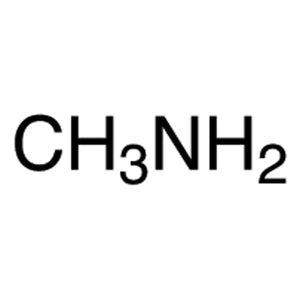
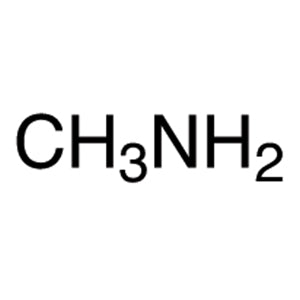
- TCI M0137 74-89-5 Methylamine (ca 40% in Water, ca 12mol/L)
- TCI T3614 75-50-3 Trimethylamine (ca. 8% in Toluene, ca. 1mol/L)
- TCI T2893 75-50-3 Trimethylamine (ca. 25% in Isopropyl Alcohol, ca. 3mol/L)
- TCI M2324 74-89-5 Methylamine (ca. 9% in Isopropyl Alcohol, ca. 2mol/L)
- TCI M2323 74-89-5 Methylamine (ca. 9% in Ethanol, ca. 2mol/L)
- TCI M2108 74-89-5 Methylamine (ca. 7% in Tetrahydrofuran, ca. 2mol/L)
- Used in organic synthesis for creating alkaline conditions necessary for reaction mechanisms involving nucleophilic attacks and proton transfer.
- Applied in qualitative analysis to detect and identify metal ions that form precipitates in basic environments.
- Employed in the preparation of standard solutions for pH calibration and titration experiments.
- Utilized in environmental testing for the analysis of water and soil samples to determine ammonia levels and other related parameters.
- Incorporated in cleaning processes to remove organic residues and contaminants from glassware and equipment.
| Brand | TCI |
|---|---|
| CAS number | 1336-21-6 |
| Molecular formula | — |
| Purity | — |
| Category | Chemistry > Synthetic Reagents > Acids, Bases [Synthetic Reagents] |
| Pack sizes | — |
| Physical form | Liquid |
| Storage | Store in a cool, well-ventilated area away from incompatible materials |
This ammonia solution should be stored in a cool, well-ventilated area, away from direct sunlight and sources of heat. It is recommended to use containers made of materials resistant to corrosion, such as glass or stainless steel, to prevent degradation. Due to its strong basic nature and corrosive properties, it should be handled with appropriate personal protective equipment, including gloves, goggles, and a lab coat. The solution should never be stored in containers that are not sealed to prevent evaporation and contamination. In laboratory settings, it is important to ensure proper ventilation to avoid inhalation of vapors, which can be harmful to health. Always follow standard safety protocols when working with this reagent to minimize risks.
—
Produk Terkait
-
Methylamine(ca40%inWater,ca12mol/L) TCI M0137
Regular price From Rp 477.750,00Regular priceRp 333.900,00Sale price From Rp 477.750,00 -
Trimethylamine(ca.8%inToluene,ca.1mol/L) TCI T3614
Regular price Rp 1.087.800,00Regular priceRp 760.200,00Sale price Rp 1.087.800,00 -
Trimethylamine(ca.25%inIsopropylAlcohol,ca.3mol/L) TCI T2893
Regular price From Rp 717.150,00Regular priceRp 500.850,00Sale price From Rp 717.150,00 -
Methylamine(ca.9%inIsopropylAlcohol,ca.2mol/L) TCI M2324
Regular price From Rp 769.650,00Regular priceRp 537.600,00Sale price From Rp 769.650,00 -
Methylamine(ca.9%inEthanol,ca.2mol/L) TCI M2323
Regular price Rp 795.900,00Regular priceRp 556.500,00Sale price Rp 795.900,00 -
Methylamine(ca.7%inTetrahydrofuran,ca.2mol/L) TCI M2108
Regular price From Rp 903.000,00Regular priceRp 631.050,00Sale price From Rp 903.000,00 -
Methylamine(40%inMethanol,ca.9.8mol/L) TCI M1016
Regular price From Rp 637.350,00Regular priceRp 445.200,00Sale price From Rp 637.350,00 -
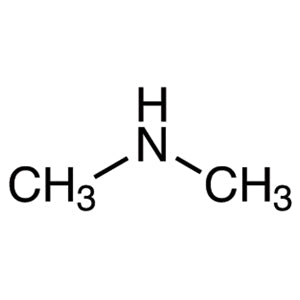
Dimethylamine(ca.11%inIsopropylAlcohol,ca.2mol/L) TCI D4198
Regular price From Rp 717.150,00Regular priceRp 500.850,00Sale price From Rp 717.150,00