Amorolfine Hydrochloride is a chemical compound widely used in laboratory experiments, particularly in the fields of biochemistry and pharmacology. It is a key reagent known for its potent antimicrobial activity, especially against fungal infections. This compound is commonly used as a starting material for research related to antifungal treatments and drug development. Its versatility makes it an essential tool for scientists working on microbial studies and therapeutic applications. Amorolfine Hydrochloride is a valuable resource for researchers seeking to explore the mechanisms of antimicrobial action and develop new pharmaceutical formulations.
The compound is chemically stable and easily soluble in organic solvents such as ethanol or dimethyl sulfoxide. These properties make it suitable for various analytical techniques, including spectroscopy and chromatography. Its stability under non-extreme environmental conditions ensures reliable performance in laboratory settings. This reliability, combined with its consistent quality, makes Amorolfine Hydrochloride a preferred choice for both academic and industrial research. Its ease of handling and compatibility with standard laboratory procedures further enhance its appeal.
In Indonesian laboratories, Amorolfine Hydrochloride is frequently used by researchers and educational institutions for scientific investigations. It is a popular choice for quality testing of pharmaceutical products and the development of new drug formulations. Its application in both academic and industrial research highlights its importance in advancing scientific knowledge and innovation in the field of antimicrobial research.
TCI brochures (PDF)
- Antimicrobials and Antitumor Agents for Research and Experimental Use 2025-04-24 · p. 9
- Pharmaceutical Ingredients for Research and Experimental Use 2026-03-09 · p. 9
- Antifungal Drug Development: Amorolfine Hydrochloride is used to test the efficacy of new antifungal compounds, supporting the creation of more effective treatments.
- Microbial Activity Testing: Its antimicrobial properties make it ideal for assessing the effectiveness of various antimicrobial agents in controlled environments.
- Pharmaceutical Quality Control: It is employed in the evaluation of pharmaceutical products to ensure they meet required standards and specifications.
- Research on Antimicrobial Mechanisms: The compound aids in studying how antimicrobial agents interact with microbial cells, contributing to a better understanding of infection control.
- Formulation Development: It is used in the development of new drug formulations, helping to optimize delivery methods and enhance therapeutic outcomes.
| Brand | TCI |
|---|---|
| CAS number | 78613-38-4 |
| Molecular formula | — |
| Purity | — |
| Category | Life Science > Biochemicals and Reagents > Antibiotics |
| Pack sizes | Available in standard laboratory quantities |
| Physical form | Solid powder |
| Storage | Store in a cool, dry place away from direct sunlight |
Amorolfine Hydrochloride should be stored in a cool, dry environment to maintain its chemical stability. It is recommended to keep the compound in a tightly sealed container to prevent moisture absorption and contamination. Suitable storage containers include glass or high-density polyethylene (HDPE) bottles, which provide protection against environmental factors. Laboratory personnel should handle the compound with care, using appropriate personal protective equipment such as gloves and safety goggles. It is important to ensure that the compound is stored away from incompatible substances and in a well-ventilated area to minimize any potential risks. Proper storage and handling practices help preserve the integrity of the compound and ensure its effectiveness in laboratory applications.
—
Product Categories
- Biochemicals and ReagentsAntibioticsAntibiotics (by Application)
- Biochemicals and ReagentsPharmaceutical Research Reagents (for Experimental Use)Antifungal Ingredients (for Research and Experimental Use)
- MicrobiologyAntibioticsAntibiotics (by Application)
- Pharmaceutical Development and Drug Discovery ResearchPharmaceutical Research Reagents (for Experimental Use)Antifungal Ingredients (for Research and Experimental Use)
- Pharmaceutical Development and Drug Discovery ResearchAntibioticsAntibiotics (by Application)
Produk Terkait
-
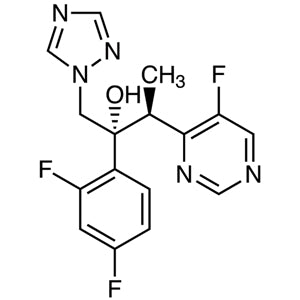
Voriconazole TCI V0116
Regular price From Rp 1.696.800,00Regular priceRp 1.202.250,00Sale price From Rp 1.696.800,00 -
SulconazoleNitrate TCI U0112
Regular price From Rp 3.312.750,00Regular priceRp 2.332.050,00Sale price From Rp 3.312.750,00 -
Tavaborole TCI T3775
Regular price Rp 2.173.500,00Regular priceRp 1.535.100,00Sale price Rp 2.173.500,00 -
Terbinafine TCI T3677
Regular price From Rp 2.173.500,00Regular priceRp 1.535.100,00Sale price From Rp 2.173.500,00 -
ButoconazoleNitrate TCI B4801
Regular price Rp 2.464.350,00Regular priceRp 1.738.800,00Sale price Rp 2.464.350,00 -
Bifonazole TCI B4173
Regular price From Rp 1.192.800,00Regular priceRp 849.450,00Sale price From Rp 1.192.800,00 -
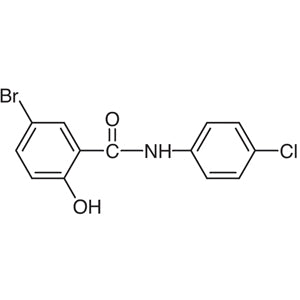
5-Bromo-4'-chlorosalicylanilide TCI B0897
Regular price Rp 7.048.650,00Regular priceRp 4.944.450,00Sale price Rp 7.048.650,00 -
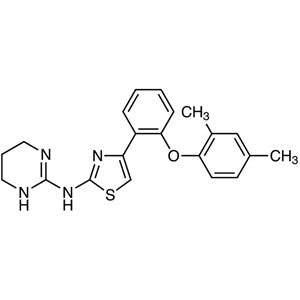
Abafungin TCI A3213
Regular price From Rp 5.537.700,00Regular priceRp 3.888.150,00Sale price From Rp 5.537.700,00