4-Allyloxy-2-hydroxybenzophenone is a chemical compound widely utilized in laboratory experiments, particularly in the fields of materials science and polymer chemistry. This compound serves as a key monomer in the synthesis of organic compounds, enabling the creation of materials with specific functional properties. Its molecular structure is complex, allowing it to participate in various chemical reactions and contribute to the development of advanced materials. Due to its versatility, it is a valuable tool for researchers aiming to design and test new chemical structures with tailored characteristics.
The compound is known for its high reactivity and unique chemical structure, which make it an ideal choice for controlled chemical reactions. Its ability to form bonds with different functional groups enhances its utility in the synthesis of complex molecules. This reactivity, combined with its stability under certain conditions, ensures that it can be effectively used in a wide range of experimental setups. The compound’s properties also allow it to be incorporated into materials that respond to light or exhibit specific reactivity, making it a preferred choice for specialized applications in material science.
In Indonesian laboratories, 4-Allyloxy-2-hydroxybenzophenone is commonly used in research related to polymer development, material innovation, and industrial chemical applications. It plays a crucial role in the creation of materials with unique properties, such as light sensitivity or enhanced reactivity. Its presence in various research projects underscores its importance in advancing scientific knowledge and developing new materials for practical use in industries like packaging, construction, and chemical manufacturing.
TCI brochures (PDF)
- Monomers 2025-05-28 · p. 16
Related TCI products
- TCI A3362 3207-04-3 3-[(Allyloxy)methyl]-3-ethyloxetane
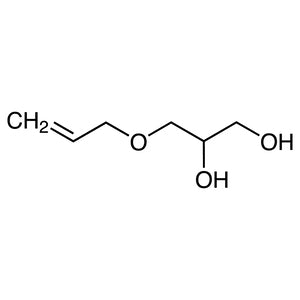
- TCI G0189 123-34-2 3-Allyloxy-1,2-propanediol
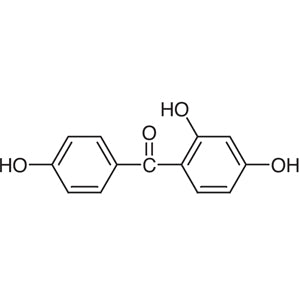
- TCI T0584 1470-79-7 2,4,4'-Trihydroxybenzophenone
- TCI T0118 131-55-5 2,2',4,4'-Tetrahydroxybenzophenone
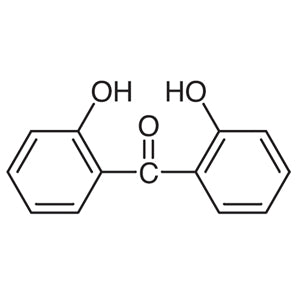
- TCI D1099 835-11-0 2,2'-Dihydroxybenzophenone
- TCI D0586 131-53-3 2,2'-Dihydroxy-4-methoxybenzophenone
- Polymer synthesis for light-sensitive materials due to its photoresponsive properties and ability to form stable chemical bonds.
- Development of functionalized polymers for use in advanced material applications requiring controlled reactivity.
- Research in photochemistry for creating compounds that respond to specific wavelengths of light in laboratory settings.
- Formulation of specialized coatings and adhesives that benefit from the compound’s reactivity and structural versatility.
- Exploration of new chemical structures in material science for applications in industrial and technological innovation.
| Brand | TCI |
|---|---|
| CAS number | 2549-87-3 |
| Molecular formula | — |
| Purity | — |
| Category | Materials Science > Polymer/Macromolecule Reagents > Monomers |
| Pack sizes | Available in standard laboratory quantities as per supplier specifications |
| Physical form | Solid or powder, depending on manufacturer and packaging |
| Storage | Store in a cool, dry place away from direct sunlight and moisture |
This compound should be stored in a cool, dry environment, away from direct sunlight and moisture to maintain its chemical integrity. It is recommended to use airtight containers made of materials such as glass or polyethylene to prevent exposure to air and humidity. Due to its reactive nature, it should be handled with care, using appropriate personal protective equipment like gloves and safety goggles. In laboratory settings, it should be stored separately from incompatible substances to avoid any potential chemical interactions. Proper labeling and storage conditions are essential to ensure safety and maintain the compound’s effectiveness for research purposes.
—
Product Categories
Produk Terkait
-
3-[(Allyloxy)methyl]-3-ethyloxetane TCI A3362
Regular price From Rp 980.700,00Regular priceRp 701.400,00Sale price From Rp 980.700,00 -
3-Allyloxy-1,2-propanediol TCI G0189
Regular price From Rp 557.550,00Regular priceRp 405.300,00Sale price From Rp 557.550,00 -
2,4,4'-Trihydroxybenzophenone TCI T0584
Regular price Rp 6.122.550,00Regular priceRp 4.296.600,00Sale price Rp 6.122.550,00 -
2,2',4,4'-Tetrahydroxybenzophenone TCI T0118
Regular price Rp 980.700,00Regular priceRp 701.400,00Sale price Rp 980.700,00 -
2,2'-Dihydroxybenzophenone TCI D1099
Regular price From Rp 3.683.400,00Regular priceRp 2.591.400,00Sale price From Rp 3.683.400,00 -
2,2'-Dihydroxy-4-methoxybenzophenone TCI D0586
Regular price Rp 1.113.000,00Regular priceRp 793.800,00Sale price Rp 1.113.000,00 -
4,4'-Dihydroxybenzophenone TCI D0577
Regular price From Rp 1.351.350,00Regular priceRp 960.750,00Sale price From Rp 1.351.350,00 -
2,2'-Dihydroxy-4,4'-dimethoxybenzophenone TCI D0575
Regular price Rp 848.400,00Regular priceRp 609.000,00Sale price Rp 848.400,00