Aniline Hydrobromide (542-11-0) is a chemical compound widely used in research applications within the field of materials science. It plays a crucial role in the synthesis of complex organic compounds, particularly in the development of materials for perovskite solar cells. As a foundational material, it contributes to the formation of essential chemical structures that enhance the efficiency and stability of photovoltaic devices. This compound is integral to the advancement of renewable energy technologies through its involvement in cutting-edge material research.
Aniline Hydrobromide is valued for its chemical stability under specific conditions, making it a reliable choice for laboratory use. It exhibits good solubility in organic solvents, which facilitates efficient and rapid dissolution in chemical reactions. These properties make it highly suitable for applications requiring precise control over reaction conditions. Additionally, its reactivity and compatibility with various synthetic processes further solidify its position as a preferred material in advanced material synthesis.
In Indonesian laboratories, Aniline Hydrobromide is commonly used in material science research, especially in the development of perovskite solar cells. Its availability in the local market supports ongoing research efforts aimed at improving solar cell performance and durability. Researchers rely on this compound for its consistent quality and effectiveness in synthesizing materials with industrial application potential. Its role in both synthesis and characterization processes underscores its importance in the scientific community.
TCI brochures (PDF)
- Perovskite Precursor: Lead Acetate Anhydrous 2025-01-16 · p. 2
- Perovskite Precursor for Solar Cell Purified Lead(II) Iodide 2023-12-28 · p. 2
- High Purity Perovskite Precursor Purified Lead(II) Bromide 2024-04-04 · p. 2
- Perovskite Precursor Tin(II) Iodide Tin(II) Bromide 2024-01-09 · p. 2
- Organic-Inorganic Perovskite Precursors 2026-09-01 · p. 4
- Solar Cell Materials 2026-04-21 · p. 6
Related TCI products
- TCI A2778 45497-73-2 Aniline Hydroiodide
- TCI A0008 124-42-5 Acetamidine Hydrochloride
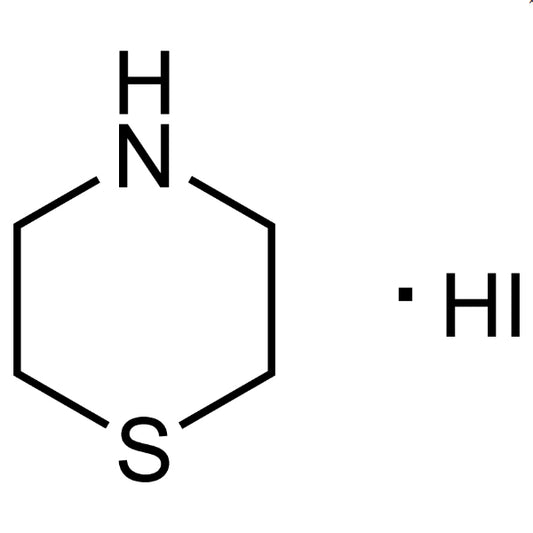
- TCI T4375 118725-79-4 Thiomorpholine Hydroiodide
- TCI T2648 429-42-5 Tetrabutylammonium Tetrafluoroborate
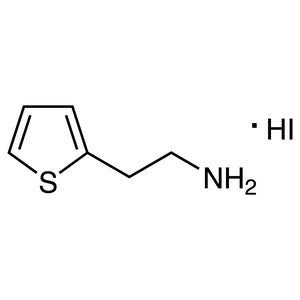
- TCI A3720 2414055-94-8 2-(Thiophen-2-yl)ethan-1-amine Hydroiodide
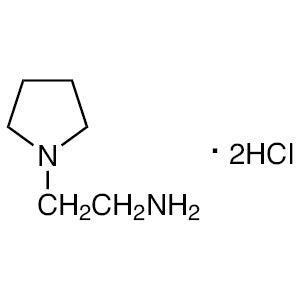
- TCI A3393 65592-36-1 2-(1-Pyrrolidinyl)ethanamine Dihydrochloride
- Perovskite Solar Cell Development: Aniline Hydrobromide is essential for creating the chemical structures required in perovskite materials, enhancing the efficiency and stability of solar cells.
- Organic Compound Synthesis: Its solubility and reactivity make it ideal for synthesizing complex organic compounds used in advanced material research.
- Material Characterization Studies: The compound is frequently used in studies that analyze the properties of new materials, aiding in the understanding of their behavior under different conditions.
- Chemical Reaction Optimization: Its ability to dissolve quickly in organic solvents allows for efficient reaction processes, which is vital in laboratory settings.
- Research in Renewable Energy Technologies: It supports the development of sustainable energy solutions by contributing to the creation of high-performance photovoltaic materials.
| Brand | TCI |
|---|---|
| CAS number | 542-11-0 |
| Molecular formula | — |
| Purity | — |
| Category | Materials Science > Electronic Materials > Perovskite Solar Cell (PSC) Materials |
| Pack sizes | Available in various quantities suitable for laboratory and industrial use |
| Physical form | Solid |
| Storage | Requires protection from moisture and air exposure |
Aniline Hydrobromide should be stored in a cool, dry place away from moisture and direct sunlight. It is recommended to use airtight containers to prevent exposure to air and humidity, which can affect its stability. Due to its sensitivity, it should be handled in a well-ventilated area to minimize inhalation risks. Laboratory personnel should wear appropriate personal protective equipment, such as gloves and safety goggles, when handling this compound. Proper labeling and storage conditions are essential to maintain its integrity and ensure safe usage in research environments.
—
Produk Terkait
-
AnilineHydroiodide TCI A2778
Regular price From Rp 1.856.400,00Regular priceRp 1.297.800,00Sale price From Rp 1.856.400,00 -
AcetamidineHydrochloride TCI A0008
Regular price From Rp 610.050,00Regular priceRp 442.050,00Sale price From Rp 610.050,00 -
ThiomorpholineHydroiodide TCI T4375
Regular price From Rp 1.988.700,00Regular priceRp 1.405.950,00Sale price From Rp 1.988.700,00 -
TetrabutylammoniumTetrafluoroborate TCI T2648
Regular price Rp 2.809.800,00Regular priceRp 1.980.300,00Sale price Rp 2.809.800,00 -
2-(Thiophen-2-yl)ethan-1-amineHydroiodide TCI A3720
Regular price From Rp 1.431.150,00Regular priceRp 1.016.400,00Sale price From Rp 1.431.150,00 -
2-(1-Pyrrolidinyl)ethanamineDihydrochloride TCI A3393
Regular price Rp 1.934.100,00Regular priceRp 1.368.150,00Sale price Rp 1.934.100,00 -
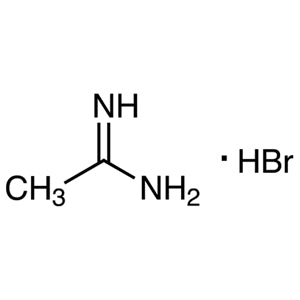
AcetamidineHydrobromide TCI A3292
Regular price From Rp 1.272.600,00Regular priceRp 905.100,00Sale price From Rp 1.272.600,00 -
5-Azoniaspiro[4.4]nonaneIodide TCI A3093
Regular price From Rp 1.510.950,00Regular priceRp 1.072.050,00Sale price From Rp 1.510.950,00