2-Amino-5-bromobenzaldehyde is a chemical compound widely used as a building block in the synthesis of complex organic molecules. It is a versatile reagent that plays a crucial role in laboratory settings by enabling the construction of new molecular structures through substitution or condensation reactions. This compound is particularly valuable for chemists who require a reactive intermediate with multiple functional groups to facilitate the development of novel compounds. Its presence in research laboratories contributes significantly to the advancement of synthetic chemistry and the exploration of molecular reactivity.
The compound's reactivity is primarily attributed to its functional groups, including the amino group, bromo group, and aldehyde group. These groups make it highly suitable for a variety of chemical transformations, such as electrophilic substitution and nucleophilic attack. The bromo group enhances the molecule's ability to undergo substitution reactions, while the aldehyde group provides opportunities for condensation and oxidation processes. These characteristics make it a preferred choice for researchers aiming to modify molecular structures and explore new chemical pathways.
In Indonesian laboratories, 2-Amino-5-bromobenzaldehyde is commonly used in organic synthesis research. It is a key component in the development of pharmaceuticals, agrochemicals, and other specialty chemicals. Its availability and reactivity make it an essential tool for academic and industrial research, supporting the growth of chemical innovation in the region.
- Organic synthesis is a key application where this compound is used to construct complex molecules through various reaction mechanisms.
- Pharmaceutical research benefits from its reactivity, allowing the development of new drug candidates with tailored molecular structures.
- Agrochemical development utilizes its functional groups to create compounds with specific biological activities.
- Academic research in chemistry relies on its versatility for exploring molecular reactivity and structural modifications.
- Industrial chemical synthesis leverages its stability and reactivity to produce specialty chemicals efficiently.
| Brand | TCI |
|---|---|
| CAS number | 29124-57-0 |
| Molecular formula | — |
| Purity | — |
| Category | Chemistry > Building Blocks > Non-Heterocyclic Building Blocks |
| Pack sizes | Available in various quantities as per supplier specifications |
| Physical form | Solid, typically in crystalline form |
| Storage | Store in a cool, dry place away from light and incompatible substances |
This compound should be stored in a cool, dry environment, away from direct sunlight and sources of heat. It is recommended to use airtight containers to prevent moisture absorption and contamination. Due to its reactivity, it should be kept separate from strong oxidizing agents and incompatible materials. Proper ventilation is essential when handling the compound to minimize exposure. Laboratory personnel should wear appropriate personal protective equipment, including gloves and safety goggles, to ensure safe handling. Regular monitoring of storage conditions is advised to maintain the compound's stability and effectiveness for research purposes.
—
Produk Terkait
-
2-Bromobenzaldehyde TCI B0836
Regular price Rp 1.246.350,00Regular priceRp 871.500,00Sale price Rp 1.246.350,00 -
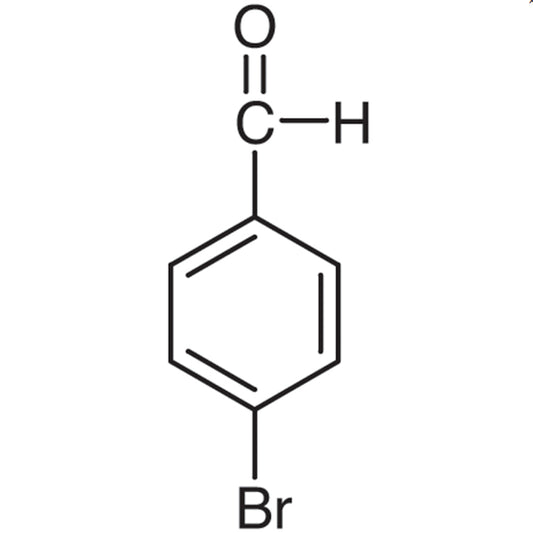
4-Bromobenzaldehyde TCI B0549
Regular price Rp 2.199.750,00Regular priceRp 1.538.250,00Sale price Rp 2.199.750,00 -
3-Bromobenzaldehyde TCI B0548
Regular price Rp 795.900,00Regular priceRp 556.500,00Sale price Rp 795.900,00 -
2,6-Dibromobenzaldehyde TCI D4552
Regular price Rp 2.491.650,00Regular priceRp 1.741.950,00Sale price Rp 2.491.650,00 -
3,5-Dibromobenzaldehyde TCI D2832
Regular price Rp 1.749.300,00Regular priceRp 1.223.250,00Sale price Rp 1.749.300,00 -
2-Amino-3,5-dibromobenzaldehyde TCI D2625
Regular price Rp 610.050,00Regular priceRp 442.050,00Sale price Rp 610.050,00 -
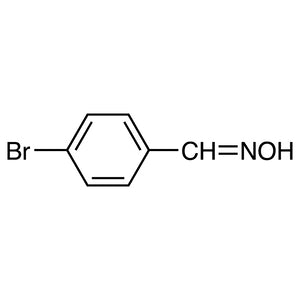
4-BromobenzaldehydeOxime TCI B6593
Regular price Rp 3.419.850,00Regular priceRp 2.406.600,00Sale price Rp 3.419.850,00 -
2-Amino-3-hydroxyanthraquinone TCI A0315
Regular price Rp 903.000,00Regular priceRp 631.050,00Sale price Rp 903.000,00