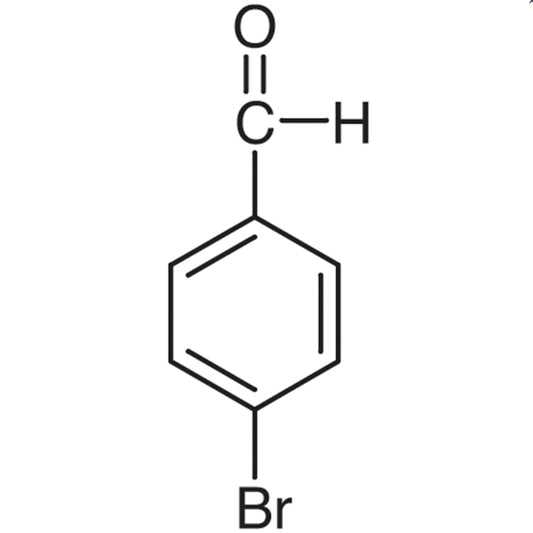
3-Bromobenzaldehyde is a chemical compound widely used in the synthesis of complex organic compounds. It serves as a fundamental building block in organic chemistry, particularly in the development of heterocyclic and aromatic compounds. Its molecular structure consists of an aldehyde group and a bromo substituent on the benzene ring, making it highly versatile for various chemical reactions. This compound plays a crucial role in laboratory settings where synthetic pathways require functional group manipulation and reactivity. Due to its chemical versatility, it is frequently utilized in both academic and industrial research environments.
The compound exhibits chemical stability under certain conditions, yet it remains reactive towards strong bases and organic solvents. This reactivity makes it ideal for applications requiring high chemical activity, such as electrophilic substitution and oxidation reactions. Its unique chemical properties allow it to participate in a wide range of synthetic transformations, contributing to the development of new compounds and materials. Additionally, its distinct aroma aids in its identification and handling within laboratory environments.
In Indonesian laboratories, 3-Bromobenzaldehyde is commonly used in organic chemistry research and the development of new compounds. It is a key reagent in educational and research institutions, supporting both teaching and experimental work. Its consistent availability and high quality make it a preferred choice for laboratory applications in Indonesia, ensuring reliable results in chemical synthesis and analysis.
- Organic synthesis applications benefit from 3-Bromobenzaldehyde due to its reactivity and functional group versatility, enabling the creation of complex molecules.
- It is ideal for electrophilic substitution reactions because of its bromo group, which facilitates substitution under appropriate reaction conditions.
- In oxidation reactions, its aldehyde group can be modified to produce various derivatives, expanding its utility in synthetic pathways.
- The compound is frequently used in the development of heterocyclic compounds, as its structure provides a suitable starting point for ring formation.
- It supports research in aromatic compound synthesis, offering a stable yet reactive platform for chemical transformations.
| Brand | TCI |
|---|---|
| CAS number | 3132-99-8 |
| Molecular formula | — |
| Purity | — |
| Category | Chemistry > Building Blocks > Non-Heterocyclic Building Blocks |
| Pack sizes | Available in standard laboratory quantities |
| Physical form | Solid or liquid, depending on the specific product variant |
| Storage | Store in a cool, dry place away from light and incompatible materials |
3-Bromobenzaldehyde should be stored in a cool, dry environment, away from direct sunlight and sources of heat. It is recommended to keep it in a sealed container to prevent exposure to air and moisture. Due to its reactivity with strong bases and organic solvents, it should be handled with care, using appropriate personal protective equipment. Storage should be in a well-ventilated area to minimize inhalation risks. Always ensure that the container is labeled clearly and stored separately from incompatible substances to maintain safety in the laboratory.
—
Produk Terkait
-
2-Bromobenzaldehyde TCI B0836
Regular price From Rp 1.246.350,00Regular priceRp 871.500,00Sale price From Rp 1.246.350,00 -
4-Bromobenzaldehyde TCI B0549
Regular price From Rp 2.199.750,00Regular priceRp 1.538.250,00Sale price From Rp 2.199.750,00 -
2-Amino-5-bromobenzaldehyde TCI A3063
Regular price From Rp 1.060.500,00Regular priceRp 757.050,00Sale price From Rp 1.060.500,00 -
2,6-Dibromobenzaldehyde TCI D4552
Regular price From Rp 2.491.650,00Regular priceRp 1.741.950,00Sale price From Rp 2.491.650,00 -
3,5-Dibromobenzaldehyde TCI D2832
Regular price From Rp 1.749.300,00Regular priceRp 1.223.250,00Sale price From Rp 1.749.300,00 -
2-Amino-3,5-dibromobenzaldehyde TCI D2625
Regular price From Rp 610.050,00Regular priceRp 442.050,00Sale price From Rp 610.050,00 -
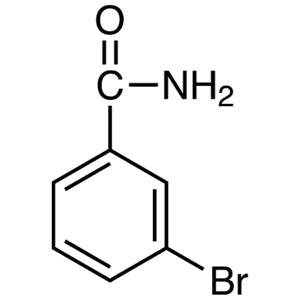
3-Bromobenzamide TCI B5178
Regular price From Rp 822.150,00Regular priceRp 590.100,00Sale price From Rp 822.150,00 -
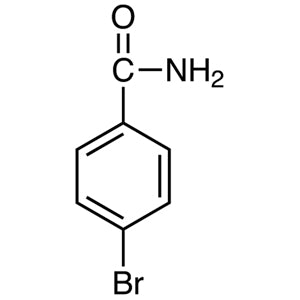
4-Bromobenzamide TCI B4216
Regular price From Rp 980.700,00Regular priceRp 701.400,00Sale price From Rp 980.700,00