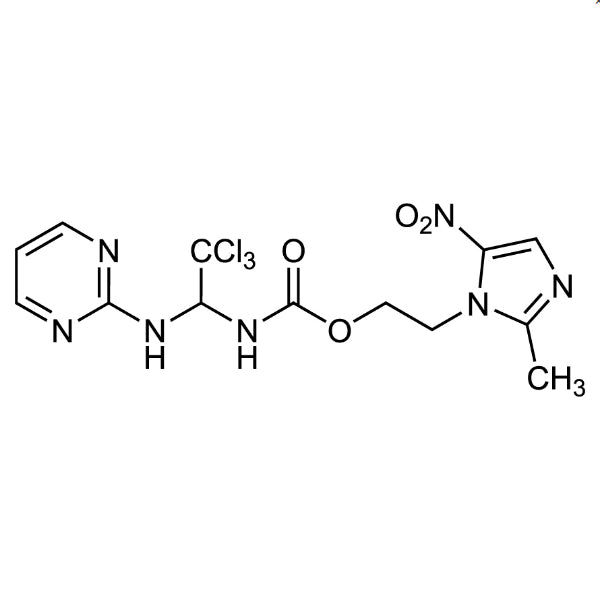
Apcin is a chemical compound widely utilized in life science research, particularly in the field of organoid culture. It plays a crucial role in enhancing cell growth media, supporting the development and maintenance of complex organoid structures. In laboratory settings, Apcin is essential for creating more realistic cell culture environments, which are vital for studying human tissue models and disease mechanisms. Its presence in biological systems makes it a valuable tool for researchers aiming to replicate physiological conditions in vitro.
Apcin is chemically stable and soluble in specific organic solvents, which makes it easy to incorporate into various research applications. These properties ensure that it remains effective under different experimental conditions without significant degradation. Its solubility and stability allow for precise control over cell growth, helping to maintain a balanced culture environment. This reliability makes Apcin a preferred choice for scientists working on advanced cell culture techniques.
In Indonesian laboratories, Apcin is commonly used in biomedical and biotechnology research. It is an integral component in the development of organoids, which are used to model human tissues and accelerate drug discovery processes. Its application supports the advancement of regenerative medicine and personalized therapies, making it a key material in modern scientific research.
- Organoid Culture: Apcin supports the development and maintenance of complex organoid structures by enhancing cell growth media, providing a more realistic environment for tissue modeling.
- Cell Growth Optimization: It helps in regulating cell proliferation and maintaining a balanced culture environment, ensuring optimal growth conditions for various cell types.
- Biomedical Research: Apcin is used in studies related to human tissue modeling, aiding in the investigation of disease mechanisms and therapeutic interventions.
- Drug Development: It plays a role in creating in vitro models that mimic human physiology, facilitating the testing of new compounds and drug efficacy.
- Tissue Engineering: Apcin contributes to the creation of engineered tissues by supporting the growth of specialized cell types in controlled environments.
| Brand | TCI |
|---|---|
| CAS number | 300815-04-7 |
| Molecular formula | — |
| Purity | — |
| Category | Life Science > Cell Culture > Organoid Culture |
| Pack sizes | — |
| Physical form | — |
| Storage | Store in a cool, dry place away from light |
Apcin should be stored in a cool, dry place away from direct light to maintain its chemical stability. It is recommended to use airtight containers to prevent contamination and moisture exposure. When handling Apcin, it is important to follow standard laboratory safety protocols, including the use of personal protective equipment such as gloves and safety goggles. Due to its solubility in organic solvents, proper ventilation should be maintained in the workspace. Apcin should be kept in a secure location to prevent accidental exposure. Regular monitoring of storage conditions ensures the integrity and effectiveness of the compound in research applications.
—
Produk Terkait
-
SANT-2 TCI A3537
Regular price Rp 6.095.250,00Regular priceRp 4.277.700,00Sale price Rp 6.095.250,00 -
A83-01 TCI A3324
Regular price Rp 9.937.200,00Regular priceRp 6.964.650,00Sale price Rp 9.937.200,00 -
IWR-1[OptimizedforCellCulture] TCI I1264
Regular price Rp 4.161.150,00Regular priceRp 2.925.300,00Sale price Rp 4.161.150,00 -
IWR-1 TCI I1167
Regular price Rp 6.122.550,00Regular priceRp 4.296.600,00Sale price Rp 6.122.550,00 -
DAPT TCI D4257
Regular price Rp 10.890.600,00Regular priceRp 7.631.400,00Sale price Rp 10.890.600,00 -
CHIR99021 TCI C2943
Regular price From Rp 8.638.350,00Regular priceRp 6.056.400,00Sale price From Rp 8.638.350,00