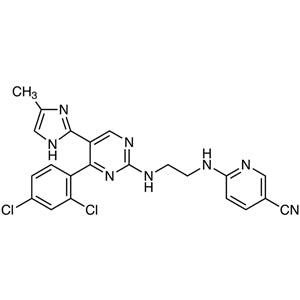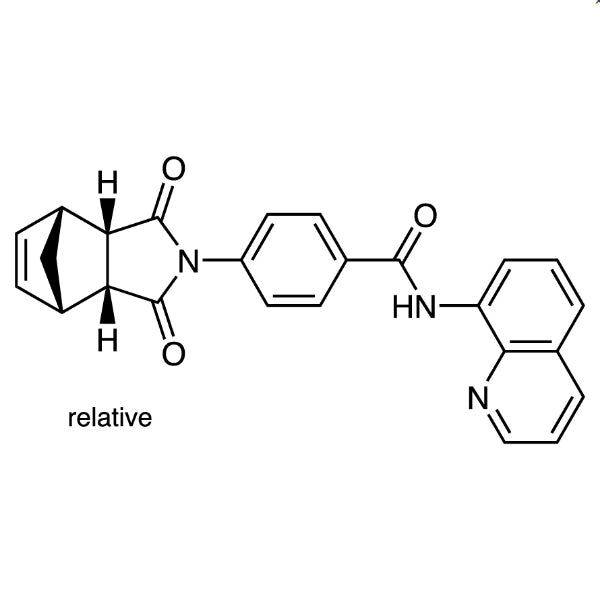
TCI I1167 1127442-82-3 IWR-1 is a chemical compound widely utilized in life science research, particularly in cell culture and organoid development. This material plays a critical role in supporting the growth and differentiation of cells within controlled laboratory environments. Its application is essential for researchers aiming to replicate complex biological systems in vitro, enabling the study of human organ structures and functions. IWR-1 is specifically designed to modulate signaling pathways that are crucial in the formation and maintenance of organoids, making it a valuable tool in biomedical and pharmaceutical research.
One of the key attributes that make IWR-1 a preferred choice is its chemical stability across a range of experimental conditions. This stability ensures consistent performance, which is vital for reliable and reproducible results. Additionally, IWR-1 exhibits good reactivity with various substrates, allowing it to be applied in diverse research settings. Its non-toxic nature and ease of control further enhance its appeal, as it enables precise manipulation of cellular processes without introducing unwanted variables. These properties make it an essential component in modern laboratory workflows.
In Indonesian laboratories, IWR-1 is extensively used in biomedical and pharmacological research. It supports the development of accurate organoid models, which are crucial for drug discovery and disease mechanism studies. Many research institutions and universities in Indonesia rely on IWR-1 to advance their work in regenerative medicine and personalized therapies. Its versatility and effectiveness have solidified its position as a key reagent in the country’s scientific community.
TCI brochures (PDF)
- Organoid Research Reagents 2025-09-11 · p. 6
- Organoid Development: IWR-1 is ideal for organoid culture as it modulates signaling pathways that guide cell differentiation and tissue formation.
- Stem Cell Differentiation: This compound supports the controlled differentiation of stem cells into specialized cell types, enhancing the accuracy of in vitro models.
- Drug Screening: IWR-1 facilitates the testing of drug effects on organoid models, enabling the evaluation of therapeutic responses in a controlled environment.
- Tissue Engineering: Its ability to influence cellular behavior makes it suitable for creating engineered tissues that mimic natural organ structures.
- Disease Modeling: IWR-1 is used to develop disease-specific organoid models, aiding in the study of genetic and environmental factors in various conditions.
| Brand | TCI |
|---|---|
| CAS number | 1127442-82-3 |
| Molecular formula | — |
| Purity | — |
| Category | Life Science > Cell Culture > Organoid Culture |
| Pack sizes | Available in various quantities as per standard laboratory supply |
| Physical form | Solid or liquid, depending on the specific formulation |
| Storage | Store in a cool, dry place away from direct sunlight |
IWR-1 should be stored in a cool, dry environment to maintain its chemical stability and effectiveness. It is recommended to use airtight containers to prevent moisture absorption and contamination. Due to its reactivity, it should be handled in a well-ventilated area, preferably with appropriate personal protective equipment. Avoid exposure to extreme temperatures and direct light to preserve its integrity. In laboratory settings, proper labeling and safe storage practices are essential to ensure the safety of both the material and the personnel. Always follow standard operating procedures for chemical handling to minimize risks and ensure consistent performance in experiments.
—
Produk Terkait
-
Apcin TCI A3820
Regular price Rp 9.168.600,00Regular price -
SANT-2 TCI A3537
Regular price Rp 6.042.750,00Regular price -
A83-01 TCI A3324
Regular price Rp 9.884.700,00Regular price -
IWR-1[OptimizedforCellCulture] TCI I1264
Regular price Rp 4.108.650,00Regular price -
DAPT TCI D4257
Regular price Rp 10.838.100,00Regular price -
CHIR99021 TCI C2943
Regular price From Rp 8.585.850,00Regular price

![1127442-82-3 IWR-1 [Optimized for Cell Culture] - AMI Scientific](http://amiscientific.com/cdn/shop/files/TCI2510I1264.jpg?v=1769142788&width=533)