Benzoyl Bromide (TCI B0104), with CAS number 618-32-6, is a versatile chemical compound widely used in organic laboratory settings. As a key building block in chemical synthesis, it plays a crucial role in the development of aromatic and heterocyclic compounds. Its high reactivity makes it an essential reagent for various organic reactions, including nucleophilic substitution, Friedel-Crafts acylations, and acylating agents. This compound is particularly valued for its ability to participate in complex chemical transformations, making it indispensable in synthetic chemistry.
The compound's stability and reactivity are key factors that make it a preferred choice for laboratory use. Its molecular structure allows it to engage effectively in a range of chemical processes, enabling the creation of more complex molecules. Its ability to undergo various reaction mechanisms under controlled conditions ensures its reliability in both academic and industrial research environments. These properties make it a go-to reagent for chemists seeking efficient and effective synthetic pathways.
In Indonesian laboratories, Benzoyl Bromide is commonly used in pharmaceutical research, polymer synthesis, and the development of aromatic compounds. Its presence in both academic and industrial settings highlights its importance in advancing chemical innovation. Due to its reactivity, it is often employed in high-temperature or high-energy reactions, where precise control is essential for successful outcomes.
- Pharmaceutical research utilizes Benzoyl Bromide for the synthesis of drug molecules due to its reactivity and ability to form acyl groups.
- Polymer synthesis benefits from Benzoyl Bromide as it can participate in acylating reactions that modify polymer structures.
- Aromatic compound development relies on Benzoyl Bromide for its role in Friedel-Crafts acylations and other aromatic substitution reactions.
- Organic synthesis applications take advantage of Benzoyl Bromide's nucleophilic substitution capabilities for creating complex molecular structures.
- Industrial chemical processes use Benzoyl Bromide for its efficiency in producing a wide range of chemical intermediates.
| Brand | TCI |
|---|---|
| CAS number | 618-32-6 |
| Molecular formula | — |
| Purity | — |
| Category | Chemistry > Building Blocks > Non-Heterocyclic Building Blocks |
| Pack sizes | Available in various quantities as per supplier specifications |
| Physical form | Liquid |
| Storage | Store in a cool, dry place away from light and incompatible materials |
Benzoyl Bromide should be stored in a cool, dry place, away from direct sunlight and sources of heat. It is recommended to keep it in a tightly sealed container to prevent exposure to moisture and air. Due to its corrosive and toxic nature, it should be handled with appropriate personal protective equipment, including gloves, goggles, and a lab coat. Storage should be in a well-ventilated area to minimize the risk of inhalation. It is important to avoid contact with skin and eyes, and to ensure that it is not stored near incompatible substances such as flammable materials or strong bases. Proper labeling and safe handling procedures are essential to maintain a safe laboratory environment.
—
Produk Terkait
-
4-Benzoyl-4'-bromobiphenyl TCI B2720
Regular price Rp 2.518.950,00Regular priceRp 1.760.850,00Sale price Rp 2.518.950,00 -
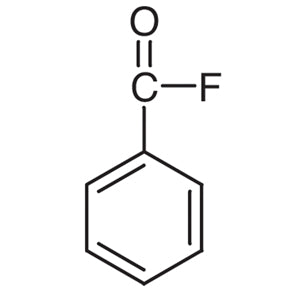
BenzoylFluoride TCI B1115
Regular price From Rp 1.776.600,00Regular priceRp 1.257.900,00Sale price From Rp 1.776.600,00 -
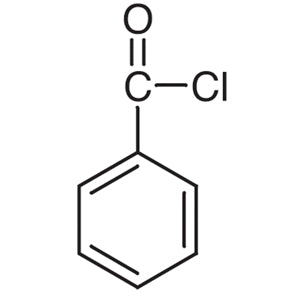
BenzoylChloride TCI B0105
Regular price Rp 557.550,00Regular priceRp 405.300,00Sale price Rp 557.550,00 -
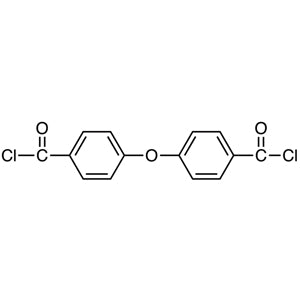
4,4'-Oxybis(benzoylChloride) TCI O0399
Regular price Rp 3.472.350,00Regular priceRp 2.443.350,00Sale price Rp 3.472.350,00 -
2-(Chloromethyl)benzoylChloride TCI C3152
Regular price Rp 2.147.250,00Regular priceRp 1.517.250,00Sale price Rp 2.147.250,00 -
3-(Chloromethyl)benzoylChloride TCI C2314
Regular price Rp 1.298.850,00Regular priceRp 924.000,00Sale price Rp 1.298.850,00 -
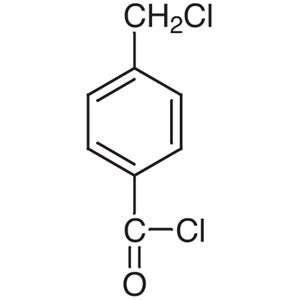
4-(Chloromethyl)benzoylChloride TCI C1283
Regular price From Rp 928.200,00Regular priceRp 664.650,00Sale price From Rp 928.200,00