

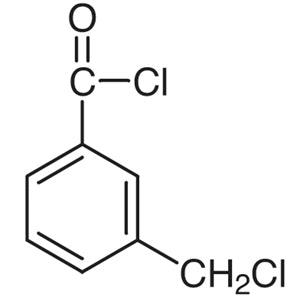
3-(Chloromethyl)benzoyl Chloride is a versatile chemical compound widely used in organic laboratory settings. As a key building block in synthetic chemistry, it plays a crucial role in the development of complex molecular structures. This compound is particularly valuable for its ability to participate in various reaction mechanisms, making it an essential reagent for chemists working on advanced synthesis projects. Its presence in research laboratories across Indonesia highlights its importance in both academic and industrial chemical applications.
The compound's reactivity stems from its functional groups, including the chloromethyl and chloro functionalities. These groups enable it to engage in nucleophilic and electrophilic substitution reactions, facilitating the formation of new chemical bonds. Its compatibility with a wide range of functional groups such as amines, hydroxyls, and sulfides makes it highly adaptable for use in diverse synthetic pathways. This versatility is why it is frequently selected for use in both small-scale and large-scale chemical experiments.
In Indonesian laboratories, 3-(Chloromethyl)benzoyl Chloride is commonly used in pharmaceutical research, material science, and organic synthesis. Its ability to form stable intermediates and its reactivity under controlled conditions make it a preferred choice for researchers aiming to develop new compounds with specific properties. Its availability through reliable suppliers like AMI Scientific ensures that it remains a staple in the chemical toolkit of Indonesian research institutions.
- Organic synthesis is a primary application where this compound is used to create complex molecules through nucleophilic substitution reactions.
- Pharmaceutical research benefits from its reactivity, allowing the synthesis of drug candidates with tailored molecular structures.
- Material science experiments utilize its functional groups to develop new polymers and composite materials with enhanced properties.
- Chemical education in Indonesian universities incorporates it as a teaching tool to demonstrate reaction mechanisms and synthetic strategies.
- Industrial chemical production relies on its stability and reactivity to produce intermediates for a wide range of chemical products.
| Brand | TCI |
|---|---|
| CAS number | 63024-77-1 |
| Molecular formula | — |
| Purity | — |
| Category | Chemistry > Building Blocks > Non-Heterocyclic Building Blocks |
| Pack sizes | Available in various quantities as per supplier specifications |
| Physical form | Liquid |
| Storage | Store in a cool, dry place away from light and incompatible materials |
This compound should be stored in a cool, dry environment, away from direct sunlight and sources of heat. It is recommended to use airtight containers made of materials such as glass or polyethylene to prevent contamination and maintain stability. Due to its reactivity, it should be kept separate from strong bases, reducing agents, and other incompatible substances. In laboratory settings, proper ventilation is essential to minimize exposure. Always handle with appropriate personal protective equipment, including gloves and safety goggles, to ensure safe usage and prevent accidental contact.
—
Produk Terkait
-
2-(Chloromethyl)benzoylChloride TCI C3152
Regular price Rp 2.094.750,00Regular price -
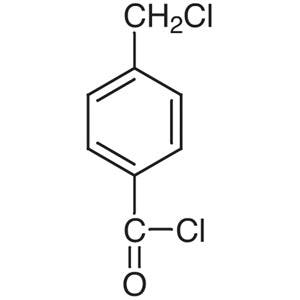
4-(Chloromethyl)benzoylChloride TCI C1283
Regular price From Rp 875.700,00Regular price -
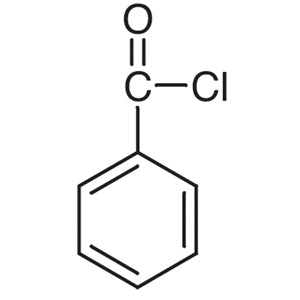
BenzoylChloride TCI B0105
Regular price Rp 505.050,00Regular price -
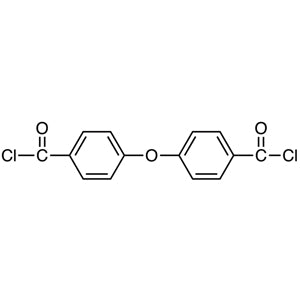
4,4'-Oxybis(benzoylChloride) TCI O0399
Regular price Rp 3.419.850,00Regular price -
ChloromethylPivalate[Amino-ProtectingAgent] TCI P1012
Regular price From Rp 717.150,00Regular price -
Methyl2-(Chloromethyl)benzoate TCI M2203
Regular price From Rp 4.213.650,00Regular price -
Ethyl4-(Chloromethyl)benzoate TCI E0662
Regular price From Rp 1.618.050,00Regular price -
Ethyl3-(Chloromethyl)benzoate TCI E0661
Regular price Rp 875.700,00Regular price

![18997-19-8 Chloromethyl Pivalate [Amino-Protecting Agent] - AMI Scientific](http://amiscientific.com/cdn/shop/files/TCI2510P1012.jpg?v=1767134108&width=533)


