3-Buten-2-yl Acetate is a chemical compound widely used as a building block in various laboratory applications. It serves as a key intermediate in the synthesis of complex molecules, particularly in organic chemistry. Its unique molecular structure allows it to participate in a range of chemical reactions, including substitution and addition reactions, making it a versatile reagent for synthetic pathways. This compound is commonly found in research settings where the development of new chemical entities is required. Its role extends beyond basic synthesis, supporting advanced studies in medicinal chemistry and material science.
The compound's stability and moderate reactivity make it a preferred choice for laboratory use. It exhibits good solubility in organic solvents, which facilitates its use in diverse experimental conditions. Its characteristic aroma also aids in identification during handling. These properties contribute to its reliability in both routine and specialized chemical processes. The availability of this compound in multiple packaging formats further enhances its usability for different experimental needs.
In Indonesian laboratories, 3-Buten-2-yl Acetate is extensively used in organic chemistry research. It plays a vital role in the development of new compounds for pharmaceutical, material, and industrial applications. Researchers in Indonesia frequently incorporate this compound into their studies, particularly in projects focused on synthesizing bioactive molecules. Its presence in laboratory workflows supports the advancement of scientific research in the region.
Related TCI products
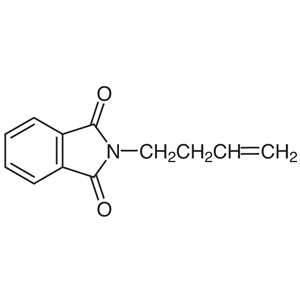
- TCI B1881 52898-32-5 N-(3-Buten-1-yl)phthalimide
- TCI B1613 7538-42-3 2-Buten-1-ylsuccinic Anhydride
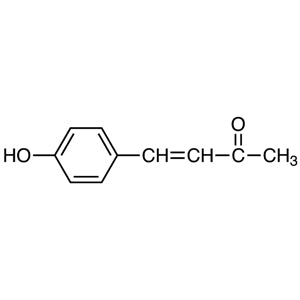
- TCI H1564 3160-35-8 4-(4-Hydroxyphenyl)-3-buten-2-one
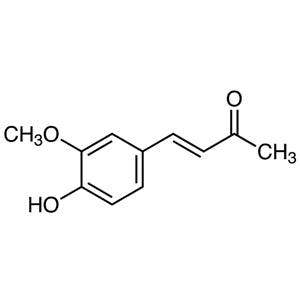
- TCI H0996 22214-42-2 (E)-4-(4-Hydroxy-3-methoxyphenyl)-3-buten-2-one
- TCI C3759 30626-03-0 (3E)-4-(4-Chlorophenyl)-3-buten-2-one
- TCI A0228 123-86-4 Butyl Acetate [for Spectrophotometry]
- Synthesis of aromatic compounds for drug development due to its reactivity and structural versatility.
- Creation of heterocyclic structures in medicinal chemistry research for novel therapeutic agents.
- Development of organic materials in industrial applications requiring chemical stability and solubility.
- Support for bioactive molecule synthesis in research focused on pharmaceutical and biological activities.
- Use in complex chemical reactions for the preparation of specialized intermediates in synthetic pathways.
| Brand | TCI |
|---|---|
| CAS number | 6737-11-7 |
| Molecular formula | — |
| Purity | — |
| Category | Chemistry > Building Blocks > Non-Heterocyclic Building Blocks |
| Pack sizes | Available in various sizes to suit different experimental needs |
| Physical form | Liquid |
| Storage | Store in a cool, dry place away from direct sunlight |
This compound should be stored in a cool, dry environment, away from direct sunlight and sources of heat. It is recommended to use sealed containers to prevent exposure to air and moisture. Due to its solubility in organic solvents, it should be handled in well-ventilated areas to minimize inhalation risks. Proper personal protective equipment, such as gloves and safety goggles, should be worn when handling this material. It is important to avoid contact with skin and eyes, and to ensure that spillage is promptly cleaned up using appropriate safety procedures. The compound is not classified as hazardous under standard laboratory conditions, but standard safety protocols should still be followed to ensure safe handling and storage.
—
Produk Terkait
-
N-(3-Buten-1-yl)phthalimide TCI B1881
Regular price Rp 7.949.550,00Regular priceRp 5.574.450,00Sale price Rp 7.949.550,00 -
2-Buten-1-ylsuccinicAnhydride TCI B1613
Regular price From Rp 2.491.650,00Regular priceRp 1.757.700,00Sale price From Rp 2.491.650,00 -
4-(4-Hydroxyphenyl)-3-buten-2-one TCI H1564
Regular price Rp 1.988.700,00Regular priceRp 1.405.950,00Sale price Rp 1.988.700,00 -
(E)-4-(4-Hydroxy-3-methoxyphenyl)-3-buten-2-one TCI H0996
Regular price From Rp 1.351.350,00Regular priceRp 960.750,00Sale price From Rp 1.351.350,00 -
(3E)-4-(4-Chlorophenyl)-3-buten-2-one TCI C3759
Regular price From Rp 1.988.700,00Regular priceRp 1.405.950,00Sale price From Rp 1.988.700,00 -
ButylAcetate[forSpectrophotometry] TCI A0228
Regular price Rp 1.538.250,00Regular priceRp 1.075.200,00Sale price Rp 1.538.250,00 -
PropylAcetate TCI A0044
Regular price From Rp 477.750,00Regular priceRp 333.900,00Sale price From Rp 477.750,00