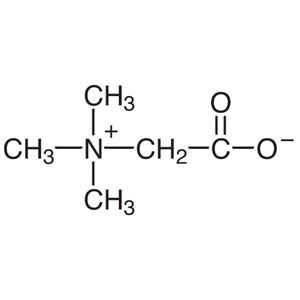
Betaine Hydrochloride (BHC) is a chemical compound widely used in laboratory settings, particularly in organic synthesis. It plays a crucial role in various chemical reactions by acting as a source of chloride ions or serving as a catalyst. Its simple chemical structure makes it versatile for different experimental applications. BHC is commonly employed in laboratory processes to adjust the pH of solutions or as an auxiliary in separation techniques. Its utility extends across multiple scientific disciplines, making it an essential reagent for researchers and students alike.
The properties of Betaine Hydrochloride make it a preferred choice in laboratory environments. It is highly soluble in water, which facilitates its use in aqueous solutions. Its relatively high melting point ensures stability under typical laboratory conditions, allowing for consistent performance. Additionally, BHC is non-corrosive and relatively stable, contributing to its ease of handling and storage. These characteristics enhance its reliability and safety, making it a trusted material for both routine and complex experiments.
In Indonesian laboratories, Betaine Hydrochloride is frequently used in chemical research, especially in organic synthesis and analytical chemistry. It is also commonly found in educational experiments aimed at introducing fundamental chemical concepts to students and researchers. Its availability and reliability make it a valuable resource for both academic and industrial applications.
TCI brochures (PDF)
- Quaternary Ammonium Salts 2025-11-10 · p. 9
- Reagents for Biological Research 2025-03-11 · p. 23
Related TCI products
- TCI B6796 107-43-7 Betaine Anhydrous [for Biochemical Research]
- TCI B0455 107-43-7 Betaine Anhydrous
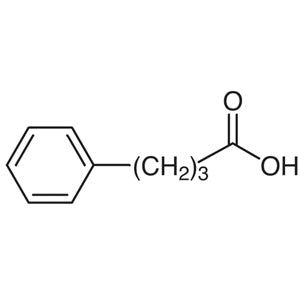
- TCI P0643 1821-12-1 4-Phenylbutyric Acid
- TCI U0030 128-13-2 Ursodeoxycholic Acid
- TCI T4320 6138-23-4 D-(+)-Trehalose Dihydrate [for Biochemical Research]
- TCI T1567 14605-22-2 Tauroursodeoxycholic Acid Dihydrate
- Organic synthesis where chloride ions are required for reaction mechanisms.
- pH adjustment in aqueous solutions to maintain optimal reaction conditions.
- Catalytic processes in chemical reactions that benefit from chloride ion presence.
- Separation techniques such as crystallization and precipitation in analytical chemistry.
- Educational experiments to demonstrate basic chemical properties and reactivity.
| Brand | TCI |
|---|---|
| CAS number | 590-46-5 |
| Molecular formula | — |
| Purity | — |
| Category | Chemistry > Building Blocks > Non-Heterocyclic Building Blocks |
| Pack sizes | Available in various quantities as per supplier specifications |
| Physical form | Solid |
| Storage | Store in a cool, dry place away from moisture and direct sunlight |
Betaine Hydrochloride should be stored in a cool, dry place, away from moisture and direct sunlight to maintain its stability and effectiveness. It is recommended to use airtight containers to prevent exposure to humidity, which could affect its solubility properties. Since it is non-corrosive, it does not require special containment, but standard laboratory safety practices should be followed when handling. Always ensure proper ventilation in the workspace to avoid inhalation of any airborne particles. The compound is stable under normal laboratory conditions, making it easy to store and use without significant degradation.
—
Product Categories
Produk Terkait
-
BetaineAnhydrous[forBiochemicalResearch] TCI B6796
Regular price From Rp 662.550,00Regular priceRp 478.800,00Sale price From Rp 662.550,00 -
BetaineAnhydrous TCI B0455
Regular price From Rp 530.250,00Regular priceRp 386.400,00Sale price From Rp 530.250,00 -
4-PhenylbutyricAcid TCI P0643
Regular price From Rp 2.147.250,00Regular priceRp 1.517.250,00Sale price From Rp 2.147.250,00 -
UrsodeoxycholicAcid TCI U0030
Regular price Rp 1.167.600,00Regular priceRp 831.600,00Sale price Rp 1.167.600,00 -
D-(+)-TrehaloseDihydrate[forBiochemicalResearch] TCI T4320
Regular price From Rp 662.550,00Regular priceRp 478.800,00Sale price From Rp 662.550,00 -
TauroursodeoxycholicAcidDihydrate TCI T1567
Regular price From Rp 1.643.250,00Regular priceRp 1.164.450,00Sale price From Rp 1.643.250,00 -
myo-Inositol TCI I0040
Regular price From Rp 557.550,00Regular priceRp 405.300,00Sale price From Rp 557.550,00 -
H-Arg-OMe.2HCl[forProteinResearch] TCI A3531
Regular price Rp 1.272.600,00Regular priceRp 905.100,00Sale price Rp 1.272.600,00