Bis[4-(dimethylamino)phenyl]methane is a chemical compound widely used as a building block in organic synthesis. It serves as a versatile intermediate in the creation of complex molecules, particularly in pharmaceutical and industrial chemistry. This compound is valued for its ability to participate in various chemical reactions, making it an essential tool in synthetic chemistry. Its unique molecular structure, consisting of two phenyl groups connected by a methylene bridge, each substituted with dimethylamino groups, allows for diverse functional group modifications. This flexibility makes it suitable for a wide range of synthetic applications, from drug development to material science.
The compound's chemical properties make it a preferred choice in laboratory settings. It exhibits moderate reactivity, allowing it to engage in substitution and condensation reactions. Its stability under controlled conditions ensures reliable performance in synthetic processes. The presence of dimethylamino groups enhances its nucleophilicity, making it effective in reactions where functional group introduction is required. These characteristics make it an ideal candidate for use in both academic and industrial research environments, particularly where high reactivity and structural flexibility are needed.
In Indonesian laboratories, this compound is commonly used in research focused on organic chemistry, pharmaceutical development, and chemical synthesis. Its role as a building block is crucial in the production of new compounds with specific properties. Due to its versatility and reactivity, it is frequently employed in both academic and industrial settings, supporting the development of novel materials and chemical products.
Related TCI products
- TCI T1057 5762-56-1 Tris(dimethylamino)methane (stabilized with KOH)
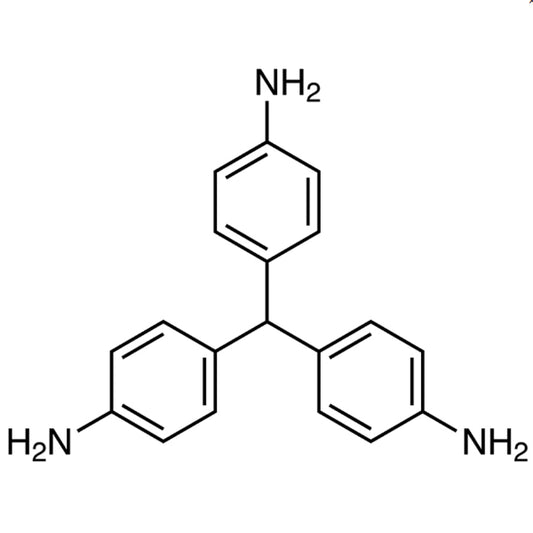
- TCI T3599 548-61-8 Tris(4-aminophenyl)methane
- TCI T2947 60532-63-0 Tetrakis(4-aminophenyl)methane
- TCI A0291 22525-43-5 4-Amino-4'-(N,N-dimethylamino)stilbene
- TCI T2898 33527-91-2 Tris[2-(dimethylamino)ethyl]amine
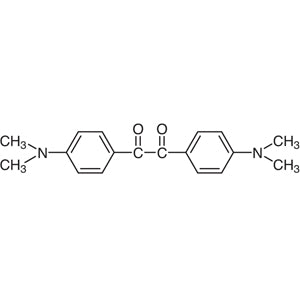
- TCI B1212 17078-27-2 4,4'-Bis(dimethylamino)benzil
- Organic synthesis applications benefit from its reactivity and structural versatility, enabling the creation of complex molecules with tailored properties.
- Pharmaceutical research utilizes it as a key intermediate in the synthesis of drug compounds, supporting the development of new therapeutic agents.
- Industrial chemical production relies on its ability to participate in various reactions, facilitating the manufacture of specialty chemicals and materials.
- Research in material science employs it to develop new polymers and functional materials with specific chemical properties.
- Analytical chemistry uses it as a standard in chromatographic and spectroscopic analyses to evaluate reaction pathways and molecular interactions.
| Brand | TCI |
|---|---|
| CAS number | 101-61-1 |
| Molecular formula | — |
| Purity | — |
| Category | Chemistry > Building Blocks > Non-Heterocyclic Building Blocks |
| Pack sizes | Available in various quantities as per supplier specifications |
| Physical form | Solid or liquid, depending on the specific product variant |
| Storage | Store in a cool, dry place away from direct sunlight and moisture |
This compound should be stored in a cool, dry environment to maintain its chemical stability. It is recommended to use airtight containers to prevent exposure to moisture and air, which could affect its reactivity. Due to its potential for interaction with other substances, it should be kept away from incompatible materials. In laboratory settings, proper personal protective equipment should be worn when handling it to ensure safety. Regular monitoring of storage conditions is advised to ensure optimal performance and safety during use.
—
Produk Terkait
-
Tris(dimethylamino)methane(stabilizedwithKOH) TCI T1057
Regular price From Rp 3.843.000,00Regular priceRp 2.686.950,00Sale price From Rp 3.843.000,00 -
Tris(4-aminophenyl)methane TCI T3599
Regular price From Rp 3.710.700,00Regular priceRp 2.610.300,00Sale price From Rp 3.710.700,00 -
Tetrakis(4-aminophenyl)methane TCI T2947
Regular price From Rp 1.908.900,00Regular priceRp 1.350.300,00Sale price From Rp 1.908.900,00 -
4-Amino-4'-(N,N-dimethylamino)stilbene TCI A0291
Regular price From Rp 1.988.700,00Regular priceRp 1.405.950,00Sale price From Rp 1.988.700,00 -
Tris[2-(dimethylamino)ethyl]amine TCI T2898
Regular price From Rp 2.254.350,00Regular priceRp 1.576.050,00Sale price From Rp 2.254.350,00 -
4,4'-Bis(dimethylamino)benzil TCI B1212
Regular price From Rp 3.735.900,00Regular priceRp 2.628.150,00Sale price From Rp 3.735.900,00 -
1,8-Bis(dimethylamino)naphthalene[forDehydrohalogenation] TCI B1018
Regular price From Rp 980.700,00Regular priceRp 701.400,00Sale price From Rp 980.700,00 -
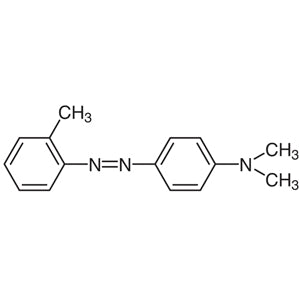
4-(Dimethylamino)-2'-methylazobenzene TCI M0789
Regular price Rp 2.518.950,00Regular priceRp 1.760.850,00Sale price Rp 2.518.950,00