2-Bromoanisole (CAS 578-57-4) is a chemical compound widely utilized in organic synthesis as a building block in laboratory settings. This aromatic compound features a bromo substituent at the meta position of anisole, making it a versatile reagent in various chemical reactions. Its structural characteristics make it an essential component in the development of complex organic molecules, particularly in the synthesis of heterocyclic compounds and aromatic derivatives. Due to its reactivity and stability under controlled conditions, it is a preferred choice for researchers working in chemical synthesis and reaction engineering.
The compound’s chemical properties, including its aromatic nature and bromo substitution, contribute to its effectiveness in electrophilic substitution and Friedel-Crafts reactions. Its stability in specific environments, combined with its sensitivity to heat and oxidation, requires careful handling during experiments. The compound is typically supplied as a solid with a mild aroma, making it suitable for use in both academic and industrial research. These properties ensure its reliability and consistency in laboratory applications.
In Indonesian laboratories, 2-Bromoanisole is extensively used in organic chemistry research, particularly in the synthesis of new compounds. It is commonly found in university and research institution laboratories where it supports the development of advanced chemical structures. Its role in creating complex molecules makes it a valuable resource for scientists and researchers in the field of organic chemistry.
TCI brochures (PDF)
- Aryne/Heteroaryne Precursors 2025-09-16 · p. 5
- Organic synthesis is a primary application where 2-Bromoanisole is used to create complex aromatic and heterocyclic compounds through electrophilic substitution reactions.
- Medicinal chemistry research benefits from this compound as it serves as a key intermediate in the development of pharmaceuticals and bioactive molecules.
- Polymer science applications often utilize 2-Bromoanisole in the synthesis of functional polymers and specialty materials due to its reactivity and structural versatility.
- Analytical chemistry laboratories use it as a standard reference material for spectroscopic and chromatographic analysis.
- Environmental chemistry studies incorporate this compound to investigate the behavior of brominated aromatic compounds in various environmental matrices.
| Brand | TCI |
|---|---|
| CAS number | 578-57-4 |
| Molecular formula | — |
| Purity | — |
| Category | Chemistry > Building Blocks > Non-Heterocyclic Building Blocks |
| Pack sizes | Available in standard laboratory quantities |
| Physical form | Solid |
| Storage | Store in a cool, dry place away from heat and oxidizing agents |
2-Bromoanisole should be stored in a cool, dry environment to maintain its chemical stability. It is recommended to keep the compound in a tightly sealed container to prevent exposure to air and moisture. Due to its sensitivity to heat and oxidation, it should be stored away from direct sunlight and sources of heat. Suitable containers for storage include glass or high-density polyethylene vessels that are resistant to chemical reactions. In laboratory settings, it is important to handle the compound with appropriate personal protective equipment to ensure safety. Proper labeling and storage conditions help maintain the integrity of the compound during experimental use.
—
Produk Terkait
-
3-Bromoanisole TCI B0545
Regular price From Rp 1.246.350,00Regular priceRp 871.500,00Sale price From Rp 1.246.350,00 -
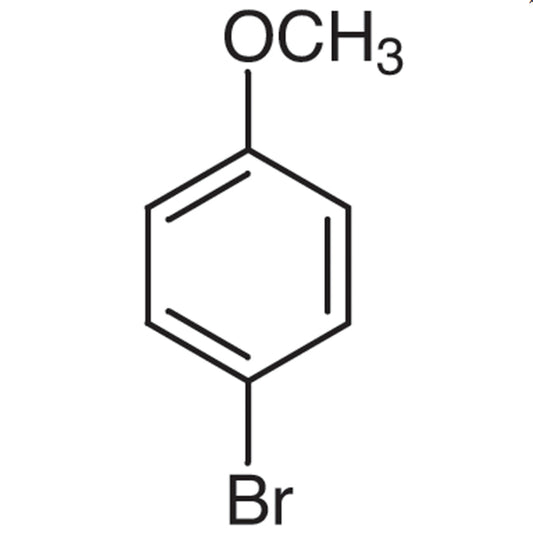
4-Bromoanisole TCI B0547
Regular price From Rp 530.250,00Regular priceRp 370.650,00Sale price From Rp 530.250,00 -
2-(1-Adamantyl)-4-bromoanisole TCI A2321
Regular price From Rp 1.326.150,00Regular priceRp 927.150,00Sale price From Rp 1.326.150,00 -
2,4,6-Tribromoanisole TCI T2301
Regular price From Rp 1.140.300,00Regular priceRp 796.950,00Sale price From Rp 1.140.300,00 -
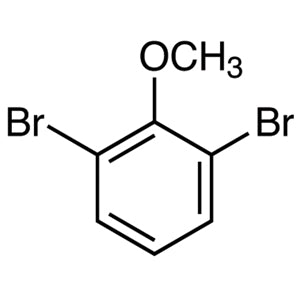
2,6-Dibromoanisole TCI D5279
Regular price From Rp 1.829.100,00Regular priceRp 1.278.900,00Sale price From Rp 1.829.100,00 -
3,5-Dibromoanisole TCI D3364
Regular price From Rp 1.510.950,00Regular priceRp 1.056.300,00Sale price From Rp 1.510.950,00 -
2,4-Dibromoanisole TCI D1863
Regular price Rp 955.500,00Regular priceRp 667.800,00Sale price Rp 955.500,00 -
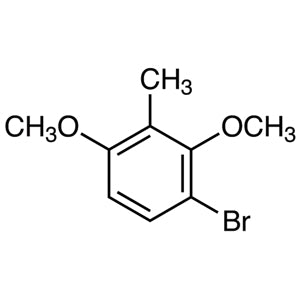
3-Bromo-2,6-dimethoxytoluene TCI B4745
Regular price From Rp 769.650,00Regular priceRp 537.600,00Sale price From Rp 769.650,00