2-Bromo-n-octanoic Acid is a chemical compound widely used in laboratory settings for the synthesis of complex organic molecules. As a building block in chemical reactions, it serves as a key intermediate in the creation of longer carbon chain structures. This compound is commonly found in chemical laboratories as a raw material for the production of various organic compounds. Its versatility makes it an essential component in synthetic pathways that require controlled reactivity and structural specificity.
The chemical properties of 2-Bromo-n-octanoic Acid, including its stability and moderate reactivity, make it a preferred choice for laboratory use. Its bromine substituent allows for efficient participation in substitution reactions, making it suitable for a range of synthetic transformations. The predictable chemical behavior of this compound ensures reliable results in experimental settings. Its molecular structure is well-defined, which contributes to its effectiveness in achieving consistent and reproducible outcomes in chemical synthesis.
In Indonesian laboratories, 2-Bromo-n-octanoic Acid is frequently used in organic chemistry research, particularly in universities and research institutions focused on the synthesis of new compounds. It plays a crucial role in the development of pharmaceuticals, industrial chemicals, and advanced materials. Its application is especially relevant in projects involving long-chain organic synthesis and functional group modification. This compound is a fundamental tool in the pursuit of scientific innovation and discovery in the chemical sciences.
- Organic synthesis of complex compounds requiring long carbon chains due to its structural versatility and reactivity.
- Bromine substitution reactions where the bromo group serves as a functional handle for further chemical modifications.
- Development of pharmaceuticals and agrochemicals through controlled synthetic pathways involving this building block.
- Research in material science for the creation of polymers and specialty chemicals with tailored properties.
- Educational purposes in teaching organic chemistry, demonstrating the role of building blocks in synthetic chemistry.
| Brand | TCI |
|---|---|
| CAS number | 2623-82-7 |
| Molecular formula | — |
| Purity | — |
| Category | Chemistry > Building Blocks > Non-Heterocyclic Building Blocks |
| Pack sizes | Available in standard laboratory quantities |
| Physical form | Solid or liquid, depending on the specific product variant |
| Storage | Store in a cool, dry place away from direct sunlight |
This compound should be stored in a cool, dry environment to maintain its chemical stability. It is recommended to keep it in a tightly sealed container to prevent exposure to moisture and air. Due to its bromine content, it should be handled with care, using appropriate personal protective equipment such as gloves and safety goggles. Avoid direct contact with skin or inhalation of vapors. Ensure proper ventilation in the laboratory workspace. Storage should be away from incompatible materials such as strong bases or oxidizing agents to prevent unwanted reactions. Regular inspection of the container and storage conditions is advised to ensure safety and product integrity.
—
Produk Terkait
-
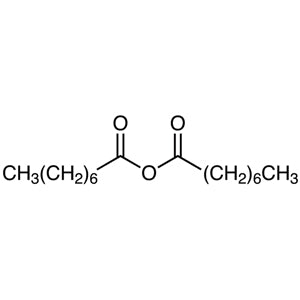
n-OctanoicAnhydride TCI O0035
Regular price From Rp 1.351.350,00Regular priceRp 960.750,00Sale price From Rp 1.351.350,00 -
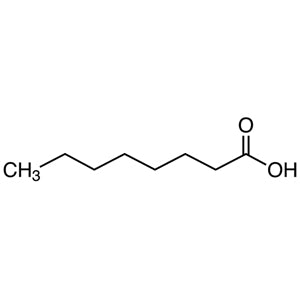
n-OctanoicAcid TCI O0027
Regular price From Rp 557.550,00Regular priceRp 405.300,00Sale price From Rp 557.550,00 -
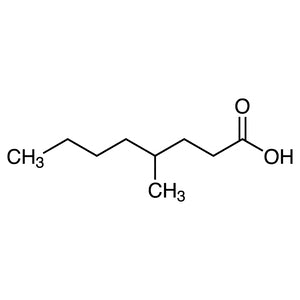
4-Methyl-n-octanoicAcid TCI M2048
Regular price Rp 2.199.750,00Regular priceRp 1.554.000,00Sale price Rp 2.199.750,00 -
2-Hydroxy-n-octanoicAcid TCI H0592
Regular price Rp 3.153.150,00Regular priceRp 2.220.750,00Sale price Rp 3.153.150,00 -
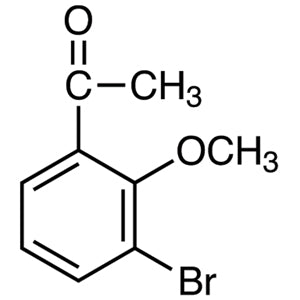
3'-Bromo-2'-methoxyacetophenone TCI B5498
Regular price From Rp 1.140.300,00Regular priceRp 812.700,00Sale price From Rp 1.140.300,00 -
4'-Bromo-2'-hydroxyacetophenone TCI B5382
Regular price From Rp 875.700,00Regular priceRp 627.900,00Sale price From Rp 875.700,00 -
3-Bromo-2-methoxybenzoicAcid TCI B5262
Regular price From Rp 980.700,00Regular priceRp 701.400,00Sale price From Rp 980.700,00 -
3-Bromo-4,5-dimethoxybenzoicAcid TCI B5252
Regular price From Rp 1.881.600,00Regular priceRp 1.331.400,00Sale price From Rp 1.881.600,00