


n-Octanoic Anhydride is an acid anhydride formed from two molecules of n-octanoic acid. In synthesis laboratories it works as an acylating reagent, transferring an octanoyl group to alcohols, amines, and other nucleophiles. TCI supplies this compound under its Non-Heterocyclic Building Blocks category. Researchers use it to add an eight-carbon chain to a target molecule. It is milder than the corresponding acyl chloride and does not release hydrogen chloride gas as a by-product, so reactions are simpler to set up and run.
Chemists choose this anhydride because its reactivity sits in the middle range. It is more reactive than esters or the free carboxylic acid, yet easier to control than acyl chlorides. This balance helps when working with sensitive substrates. The reaction by-product is n-octanoic acid, which is usually easy to remove with a basic aqueous wash during workup. The compound is sensitive to water and slowly hydrolyses back to the acid, so reactions are normally carried out under dry conditions. The octanoyl chain makes the resulting products more lipophilic, a property often sought in molecular modification work.
In Indonesia, n-Octanoic Anhydride is relevant to organic chemistry and pharmaceutical laboratories that synthesise lipophilic esters or amides. University research groups, pharmaceutical development teams, and industrial R&D laboratories can use it for derivatisation, prodrug-style modification, and preparing reference compounds with medium-length fatty acyl chains. AMI Scientific supplies the TCI grade for laboratories that need a consistent, well-documented reagent from an established manufacturer for routine synthesis and research projects.
- Esterification of alcohols: the anhydride moves an octanoyl group onto hydroxyl groups under controlled conditions, producing octanoate esters without the corrosive hydrogen chloride released by acyl chlorides.
- Amide formation from amines: it reacts readily with primary and secondary amines to give octanamides, and its moderate reactivity helps limit unwanted side reactions on more delicate substrates.
- Increasing molecular lipophilicity: adding the eight-carbon octanoyl chain makes target molecules more lipophilic, which is useful in medicinal chemistry and in studies of molecular modification.
- Milder alternative to acyl chlorides: laboratories that want to avoid handling acid chlorides and dealing with HCl evolution can use this anhydride to carry out octanoylation with easier reaction control.
- Synthesis with simple workup: the only by-product is n-octanoic acid, which can usually be removed by a basic aqueous wash, so product purification is simpler in routine synthesis.
| Brand | TCI (product code O0035) |
|---|---|
| CAS number | 623-66-5 |
| Molecular formula | — |
| Purity | — |
| Category | Chemistry > Building Blocks > Non-Heterocyclic Building Blocks |
| Pack sizes | available in TCI catalogue pack sizes; please contact AMI Scientific to confirm the options available |
| Physical form | refer to the TCI product label and Certificate of Analysis |
| Storage | moisture-sensitive; keep the container tightly closed and dry |
n-Octanoic Anhydride slowly hydrolyses to n-octanoic acid when it comes into contact with water. Keep it in its original, tightly sealed container in a cool, dry, well-ventilated place, away from moisture, strong bases, alcohols, amines, and oxidising agents. Close the container promptly after each use. Laboratories that open it often may want to use a desiccator or blanket the container with inert gas. Handle it in a fume hood and wear suitable gloves, safety glasses, and a lab coat, and avoid contact with skin and eyes. Use dry glassware and anhydrous solvents in reactions. Always check the supplier's Safety Data Sheet for full hazard, first-aid, and disposal information before use.
—
Produk Terkait
-
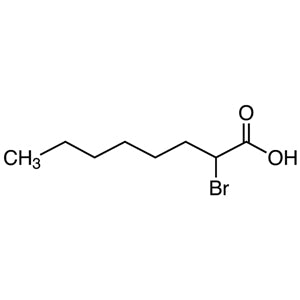
2-Bromo-n-octanoicAcid TCI B0627
Regular price Rp 1.988.700,00Regular price -
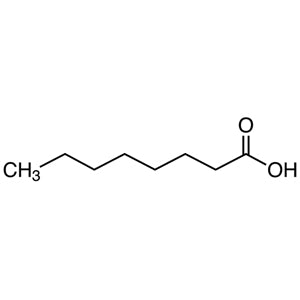
n-OctanoicAcid TCI O0027
Regular price From Rp 505.050,00Regular price -
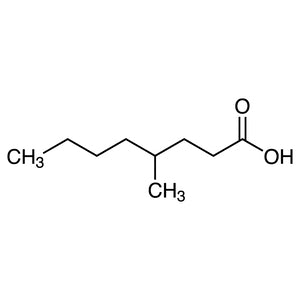
4-Methyl-n-octanoicAcid TCI M2048
Regular price Rp 2.147.250,00Regular price -
2-Hydroxy-n-octanoicAcid TCI H0592
Regular price Rp 3.100.650,00Regular price -
ValericAnhydride TCI V0006
Regular price From Rp 875.700,00Regular price -
3-BromophthalicAnhydride TCI B4061
Regular price From Rp 1.246.350,00Regular price -
Bicyclo[2.2.2]oct-5-ene-2,3-dicarboxylicAnhydride TCI B3038
Regular price Rp 3.605.700,00Regular price -
ButylsuccinicAnhydride TCI B2742
Regular price From Rp 5.274.150,00Regular price


![6708-37-8 Bicyclo[2.2.2]oct-5-ene-2,3-dicarboxylic Anhydride - AMI Scientific](http://amiscientific.com/cdn/shop/files/TCI2510B3038.jpg?v=1767089273&width=533)
