2-Benzyl-4-chlorophenol is a chemical compound widely used in laboratory settings for its versatile reactivity and structural characteristics. As a building block in organic chemistry, it plays a crucial role in the synthesis of complex organic molecules. Its aromatic structure, combined with substituents such as chlorine and benzyl groups, makes it a valuable intermediate in various chemical reactions. This compound is commonly found in research environments where the development of new chemical compounds and materials is the primary goal. Its ability to participate in electrophilic reactions and substitution processes makes it a preferred choice for chemists working on diverse synthetic pathways.
The compound's reactivity is further enhanced by its solubility in common organic solvents such as ethyl acetate and chloroform. These properties allow it to be easily incorporated into reaction mixtures, facilitating efficient chemical transformations. Additionally, its stability under certain conditions ensures that it remains effective throughout the duration of experiments. This stability, coupled with its reactivity, makes it a reliable and consistent material for laboratory use. Its ability to undergo substitution and oxidation reactions also broadens its applicability in both academic and industrial research settings.
In Indonesian laboratories, 2-Benzyl-4-chlorophenol is frequently used in organic chemistry research, particularly in educational institutions and research organizations. It is a common choice for students and researchers due to its well-defined chemical properties and predictable behavior in various reaction conditions. Its role in the synthesis of more complex molecules makes it an essential tool for those engaged in chemical research and development.
Related TCI products
- Organic synthesis is a primary application where 2-Benzyl-4-chlorophenol is used for its reactivity in substitution and oxidation reactions.
- It is suitable for electrophilic substitution reactions due to its aromatic structure and substituents, making it ideal for Friedel-Crafts reactions.
- The compound is commonly used in the development of new chemical compounds, especially in research focused on molecular synthesis and functional group transformations.
- It is a preferred material in academic laboratories for teaching and research in organic chemistry, offering hands-on experience with reactive intermediates.
- Its solubility in organic solvents makes it suitable for use in a wide range of experimental setups, including solution-based reactions and chromatographic techniques.
| Brand | TCI |
|---|---|
| CAS number | 120-32-1 |
| Molecular formula | — |
| Purity | — |
| Category | Chemistry > Building Blocks > Non-Heterocyclic Building Blocks |
| Pack sizes | Available in various quantities as per supplier specifications |
| Physical form | Solid, typically in crystalline or powder form |
| Storage | Store in a cool, dry place away from light and incompatible materials |
2-Benzyl-4-chlorophenol should be stored in a cool, dry place, away from direct sunlight and sources of heat. It is recommended to keep the compound in a sealed container to prevent moisture absorption and contamination. Due to its reactivity, it should be stored separately from strong oxidizing agents and incompatible substances. Proper ventilation is essential when handling the compound to minimize exposure to vapors. Laboratory personnel should wear appropriate personal protective equipment, including gloves and safety goggles, when working with this material. Regular monitoring of storage conditions ensures the compound remains stable and safe for use in research applications.
—
Produk Terkait
-
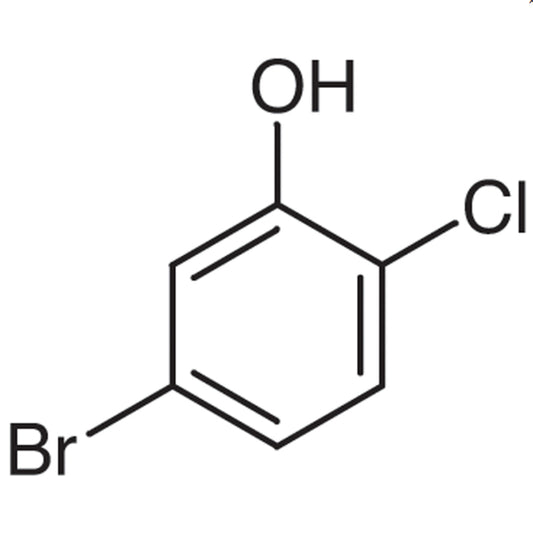
5-Bromo-2-chlorophenol TCI B2919
Regular price Rp 1.590.750,00Regular priceRp 1.111.950,00Sale price Rp 1.590.750,00 -
4-Bromo-2-chlorophenol TCI B1819
Regular price From Rp 477.750,00Regular priceRp 333.900,00Sale price From Rp 477.750,00 -
2-Bromo-4-chlorophenol TCI B1522
Regular price Rp 1.298.850,00Regular priceRp 908.250,00Sale price Rp 1.298.850,00 -
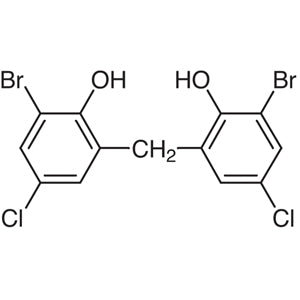
2,2'-Methylenebis(6-bromo-4-chlorophenol) TCI M1940
Regular price Rp 2.279.550,00Regular priceRp 1.593.900,00Sale price Rp 2.279.550,00 -
2,2'-Methylenebis(4-chlorophenol) TCI M0213
Regular price From Rp 769.650,00Regular priceRp 537.600,00Sale price From Rp 769.650,00 -
ChlorophenolRedSodiumSalt TCI C0247
Regular price From Rp 822.150,00Regular priceRp 590.100,00Sale price From Rp 822.150,00 -
4-Chlorophenol TCI C0243
Regular price From Rp 477.750,00Regular priceRp 333.900,00Sale price From Rp 477.750,00 -
3-Chlorophenol TCI C0242
Regular price From Rp 1.298.850,00Regular priceRp 924.000,00Sale price From Rp 1.298.850,00