TCI C0242 3-Chlorophenol (CAS 108-43-0) is an aromatic phenol compound with a single chlorine atom at the meta position of the benzene ring. In the laboratory it is known as a non-heterocyclic building block, meaning a starting material used to assemble more complex molecules through organic synthesis reactions. The phenolic hydroxyl group and the chlorine substituent give the molecule two reactive sites that can be modified separately. For this reason, the compound is often the starting point when chemists design synthetic routes in research and teaching laboratories.
3-Chlorophenol is widely chosen because its –OH group can be alkylated, acylated, or converted into an aryl ether, while the chlorine atom remains available for coupling reactions or later substitution steps. The meta position gives a substitution pattern that differs from the ortho and para isomers. This matters when researchers need a specific arrangement of functional groups in the final product. The TCI-branded product comes in several pack sizes, so users can pick a quantity that matches the scale of their experiments and avoid buying more than they need.
In Indonesian laboratories, this material is relevant to organic chemistry research groups at universities, compound development laboratories, and teaching laboratories that run multistep synthesis exercises. Postgraduate students and researchers use it to prepare intermediates for larger target molecules, and lecturers can use it to show how two different functional groups on one aromatic ring can be handled selectively. Its role as a simple, well-defined building block makes it practical for both exploratory research and structured coursework.
Related TCI products
- Aryl ether synthesis: the phenolic hydroxyl group can be alkylated to form aryl ethers, while the chlorine atom stays in place for later modification.
- Acylation and ester formation: the –OH group can be acylated to produce phenolic esters, which gives a simple way to protect or functionalize the molecule during multistep synthesis.
- Cross-coupling and substitution studies: the chlorine substituent offers a separate reactive site for coupling or substitution reactions, so researchers can extend the aromatic framework in a controlled sequence.
- Building meta-substituted target molecules: the meta arrangement of the chlorine and hydroxyl groups gives a substitution pattern that ortho and para isomers cannot provide, which helps when designing specific final structures.
- Organic chemistry teaching: having two reactive groups that can be modified separately makes this compound a clear example for teaching selective functional group transformations in university synthesis courses.
| Brand | TCI (product code C0242) |
|---|---|
| CAS number | 108-43-0 |
| Molecular formula | — |
| Purity | — |
| Category | Chemistry > Building Blocks > Non-Heterocyclic Building Blocks |
| Pack sizes | available in several pack sizes to suit different experimental scales |
| Physical form | refer to the manufacturer's product label and Safety Data Sheet |
| Storage | keep tightly closed in a cool, dry, well-ventilated area, following the manufacturer's recommendations |
Store 3-Chlorophenol in its original, tightly sealed container in a cool, dry, well-ventilated area, away from direct sunlight, heat sources, and incompatible materials such as strong oxidizing agents. Label containers clearly and keep them in a designated chemical cabinet. Like other phenolic compounds, it should be handled with care. Wear chemical-resistant gloves, safety goggles, and a lab coat, and work in a fume hood to avoid inhaling vapors or getting the material on your skin. Close containers promptly after use to limit exposure to air and moisture. Always read the manufacturer's Safety Data Sheet before use, and dispose of waste according to your institution's chemical waste procedures and local regulations.
—
Produk Terkait
-
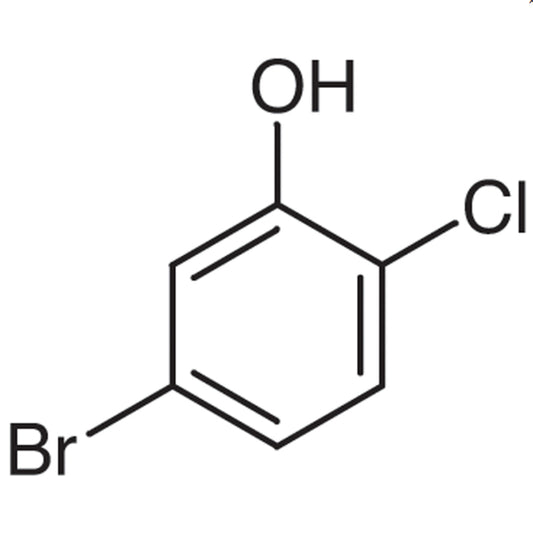
5-Bromo-2-chlorophenol TCI B2919
Regular price Rp 1.558.000,00Regular priceRp 1.059.000,00Sale price Rp 1.558.000,00 -
4-Bromo-2-chlorophenol TCI B1819
Regular price From Rp 468.000,00Regular priceRp 318.000,00Sale price From Rp 468.000,00 -
2-Bromo-4-chlorophenol TCI B1522
Regular price Rp 1.272.000,00Regular priceRp 865.000,00Sale price Rp 1.272.000,00 -
2-Benzyl-4-chlorophenol TCI B0812
Regular price Rp 961.000,00Regular priceRp 653.000,00Sale price Rp 961.000,00 -
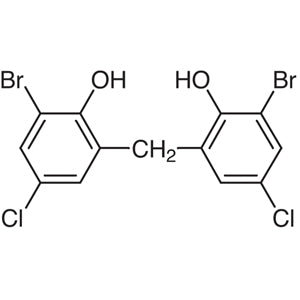
2,2'-Methylenebis(6-bromo-4-chlorophenol) TCI M1940
Regular price Rp 2.231.000,00Regular priceRp 1.518.000,00Sale price Rp 2.231.000,00 -
2,2'-Methylenebis(4-chlorophenol) TCI M0213
Regular price From Rp 753.000,00Regular priceRp 512.000,00Sale price From Rp 753.000,00 -
ChlorophenolRedSodiumSalt TCI C0247
Regular price From Rp 803.000,00Regular priceRp 562.000,00Sale price From Rp 803.000,00 -
4-Chlorophenol TCI C0243
Regular price From Rp 468.000,00Regular priceRp 318.000,00Sale price From Rp 468.000,00