4-Benzoyl-3-methyl-1-phenyl-5-pyrazolone is a chemical compound widely used in organic synthesis reactions, particularly in the formation of heterocyclic compounds. As a key building block in synthetic chemistry, it plays a crucial role in the development of complex molecules with diverse structural and functional properties. This compound is essential for researchers aiming to create new compounds with potential applications in pharmaceuticals, materials science, and other advanced chemical fields. Its versatility and reactivity make it a valuable resource in modern laboratory settings.
The compound is characterized by its complex molecular structure and high reactivity, which enable it to participate in a wide range of chemical transformations. Its ability to form bonds with various functional groups makes it highly adaptable for use in different synthetic pathways. This flexibility allows chemists to design and synthesize a broad spectrum of compounds with tailored properties. The compound’s reactivity and structural complexity are key factors that make it a preferred choice for researchers working on innovative chemical projects.
In Indonesian laboratories, 4-Benzoyl-3-methyl-1-phenyl-5-pyrazolone is commonly used in scientific research, especially in organic chemistry and pharmacology. It is a fundamental tool for institutions and universities conducting experiments related to heterocyclic synthesis. Its availability in various packaging options ensures that it is accessible for both small-scale and large-scale research applications. Its role in advancing scientific discovery is well recognized in the Indonesian scientific community.
TCI brochures (PDF)
- Metal Extractants for Lithium Ion Battery Recycling 2024-01-16 · p. 1
Related TCI products
- TCI P2563 137-44-0 5-Pyrazolone
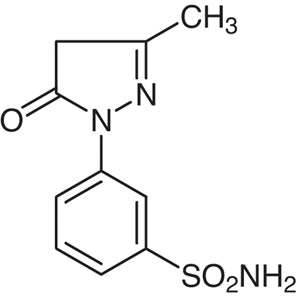
- TCI M0659 89-29-2 3-Methyl-1-(3'-sulfoamidophenyl)-5-pyrazolone
- TCI M0554 86-92-0 3-Methyl-1-p-tolyl-5-pyrazolone
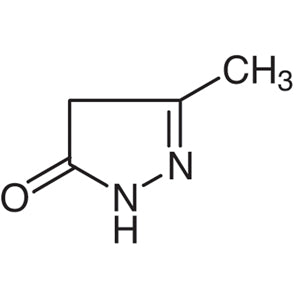
- TCI M0491 108-26-9 3-Methyl-5-pyrazolone
- TCI M0377 6402-09-1 1-(4-Nitrophenyl)-3-methyl-5-pyrazolone
- TCI D5064 277299-70-4 1-(3,4-Dimethylphenyl)-3-methyl-5-pyrazolone
- Organic synthesis is a primary application where this compound serves as a versatile building block for creating complex heterocyclic structures.
- Pharmaceutical research benefits from its ability to form new compounds with potential therapeutic applications in drug development.
- Material science studies utilize its reactivity to develop novel materials with unique chemical and physical properties.
- Analytical chemistry experiments often incorporate it as a standard reference for testing reaction mechanisms and synthetic pathways.
- Bioorganic chemistry research uses it to explore the interaction of heterocyclic compounds with biological systems and molecular targets.
From the TCI brochure
- Metal extractant for lithium ion battery recycling
| Brand | TCI |
|---|---|
| CAS number | 4551-69-3 |
| Molecular formula | — |
| Purity | — |
| Category | Chemistry > Building Blocks > Heterocyclic Building Blocks |
| Pack sizes | Available in various packaging options to suit different research needs |
| Physical form | Solid (exact form may vary depending on supplier) |
| Storage | Store in a cool, dry place away from direct sunlight and moisture |
Data from the TCI brochure
| Ukuran kemasan | 5g / 25g |
|---|
Source: TCI brochure FF164 (2024-01-16)
This compound should be stored in a cool, dry environment, away from direct sunlight and moisture to maintain its chemical integrity. It is recommended to use airtight containers made of materials that are chemically inert, such as glass or high-density polyethylene, to prevent contamination and degradation. In laboratory settings, it is important to handle the compound with appropriate personal protective equipment, including gloves and safety goggles, to ensure safety during handling. Proper ventilation should be maintained when working with this compound to minimize exposure to vapors. Care should be taken to avoid contact with incompatible materials, such as strong oxidizing agents, to prevent unwanted chemical reactions. Following these guidelines ensures safe and effective use of the compound in research applications.
—
Produk Terkait
-
5-Pyrazolone TCI P2563
Regular price From Rp 769.650,00Regular priceRp 553.350,00Sale price From Rp 769.650,00 -
3-Methyl-1-(3'-sulfoamidophenyl)-5-pyrazolone TCI M0659
Regular price Rp 848.400,00Regular priceRp 609.000,00Sale price Rp 848.400,00 -
3-Methyl-1-p-tolyl-5-pyrazolone TCI M0554
Regular price Rp 1.351.350,00Regular priceRp 960.750,00Sale price Rp 1.351.350,00 -
3-Methyl-5-pyrazolone TCI M0491
Regular price From Rp 557.550,00Regular priceRp 405.300,00Sale price From Rp 557.550,00 -
1-(4-Nitrophenyl)-3-methyl-5-pyrazolone TCI M0377
Regular price From Rp 1.192.800,00Regular priceRp 849.450,00Sale price From Rp 1.192.800,00 -
1-(3,4-Dimethylphenyl)-3-methyl-5-pyrazolone TCI D5064
Regular price From Rp 1.590.750,00Regular priceRp 1.127.700,00Sale price From Rp 1.590.750,00 -
1,3-Dimethyl-5-pyrazolone TCI D2031
Regular price Rp 2.173.500,00Regular priceRp 1.535.100,00Sale price Rp 2.173.500,00 -
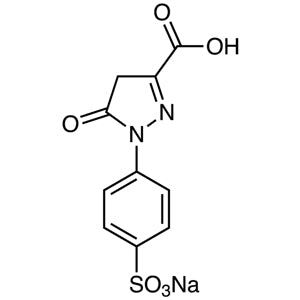
3-Carboxy-1-(4-sulfophenyl)-5-pyrazoloneSodiumSalt TCI C0845
Regular price Rp 1.458.450,00Regular priceRp 1.035.300,00Sale price Rp 1.458.450,00