Bis(tetrabutylammonium) Dichromate is a potent oxidizing reagent widely used in synthetic chemistry for its ability to oxidize both organic and inorganic compounds. This chemical plays a crucial role in laboratory settings where oxidation reactions are required to synthesize complex molecules or modify molecular structures. Its strong oxidizing properties make it an essential tool in various chemical processes, particularly in the development of new compounds and the refinement of existing ones. Due to its effectiveness and reliability, it is a go-to reagent for chemists working on oxidation-based experiments.
The compound is known for its strong oxidizing capabilities and stability under specific conditions, which contribute to its popularity among researchers. Its ionic structure allows for efficient and selective reactions, making it a preferred choice in controlled laboratory environments. The compound's resistance to reacting with other chemicals ensures that it can be used in applications where precision and control are paramount. This characteristic makes it ideal for experiments that require minimal side reactions and high reactivity.
In Indonesian laboratories, Bis(tetrabutylammonium) Dichromate is commonly used in both organic and inorganic chemistry research. It is a staple in academic and industrial settings where oxidation reactions are necessary for the synthesis of complex molecules. Its availability and consistent performance make it a reliable choice for researchers and students alike, supporting a wide range of experimental needs.
TCI brochures (PDF)
- Oxidizing Agents 2025-06-11 · p. 6
- Quaternary Ammonium Salts 2025-11-10 · p. 7
- Transition Metal Catalysts 2026-04-10 · p. 5
Related TCI products
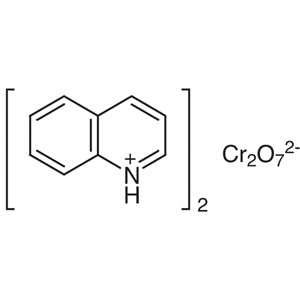
- TCI Q0058 56549-24-7 Quinolinium Dichromate
- TCI P3156 7778-50-9 Potassium Dichromate
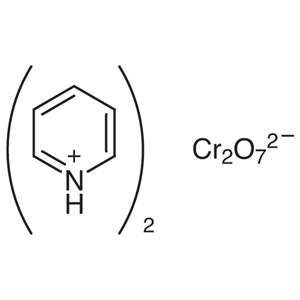
- TCI P0931 20039-37-6 Pyridinium Dichromate
- TCI O0671 7789-12-0 Sodium Dichromate Dihydrate
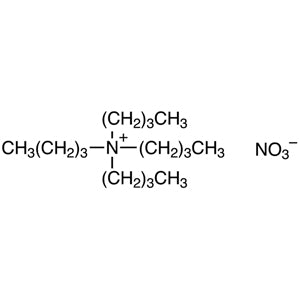
- TCI T3651 1941-27-1 Tetrabutylammonium Nitrate
- TCI C1327 104372-31-8 (2S,8aR)-(-)-(Camphorylsulfonyl)oxaziridine [Asymmetric Oxidizing Reagent]
- Organic synthesis reactions where oxidation of alcohols to ketones or carboxylic acids is required.
- Inorganic chemistry experiments involving the oxidation of metal ions for compound formation.
- Development of new chemical compounds through controlled oxidation processes.
- Research projects requiring precise and selective oxidation without unwanted side reactions.
- Educational experiments in chemistry courses to demonstrate oxidation mechanisms and reagent behavior.
| Brand | TCI |
|---|---|
| CAS number | 56660-19-6 |
| Molecular formula | — |
| Purity | — |
| Category | Chemistry > Synthetic Reagents > Oxidation [Synthetic Reagents] |
| Pack sizes | Available in various quantities as per standard laboratory supply |
| Physical form | Solid powder or crystalline |
| Storage | Store in a cool, dry place away from moisture and incompatible substances |
This reagent should be stored in a cool, dry location, away from moisture and incompatible substances to maintain its stability and effectiveness. It is recommended to use airtight containers made of materials that do not react with the compound, such as glass or high-density polyethylene. Due to its strong oxidizing nature, it should be kept away from reducing agents and flammable materials. Always ensure proper ventilation when handling the material to prevent inhalation of fumes. In laboratory settings, it is essential to follow standard safety protocols and use appropriate personal protective equipment when working with this reagent.
—
Product Categories
Produk Terkait
-
QuinoliniumDichromate TCI Q0058
Regular price From Rp 3.180.450,00Regular priceRp 2.239.650,00Sale price From Rp 3.180.450,00 -
PotassiumDichromate TCI P3156
Regular price From Rp 505.050,00Regular priceRp 352.800,00Sale price From Rp 505.050,00 -
PyridiniumDichromate TCI P0931
Regular price From Rp 795.900,00Regular priceRp 556.500,00Sale price From Rp 795.900,00 -
SodiumDichromateDihydrate TCI O0671
Regular price From Rp 530.250,00Regular priceRp 370.650,00Sale price From Rp 530.250,00 -
TetrabutylammoniumNitrate TCI T3651
Regular price From Rp 1.060.500,00Regular priceRp 757.050,00Sale price From Rp 1.060.500,00 -
(2S,8aR)-(-)-(Camphorylsulfonyl)oxaziridine[AsymmetricOxidizingReagent] TCI C1327
Regular price From Rp 2.199.750,00Regular priceRp 1.554.000,00Sale price From Rp 2.199.750,00 -
(2R,8aS)-(+)-(Camphorylsulfonyl)oxaziridine[AsymmetricOxidizingReagent] TCI C1326
Regular price Rp 1.563.450,00Regular priceRp 1.108.800,00Sale price Rp 1.563.450,00 -
Tetrabutylammoniump-Toluenesulfonate TCI T3660
Regular price From Rp 1.405.950,00Regular priceRp 998.550,00Sale price From Rp 1.405.950,00