3,3-Dimethylbutyryl Chloride is a chemical compound widely used in organic reactions for the synthesis of complex molecules. It serves as a key building block in various chemical processes, particularly in the creation of both heterocyclic and non-heterocyclic compounds. This reagent is essential in laboratories where the development of new chemical structures is a priority. Its versatility makes it a valuable asset in synthetic chemistry, enabling researchers to explore a wide range of chemical transformations.
The compound's unique molecular structure, featuring an activated carboxyl group, makes it highly reactive in a variety of chemical reactions. It is particularly effective in Friedel-Crafts acylations, acyl transfer reactions, and esterification processes. Its solubility in organic solvents further enhances its utility, as it facilitates efficient separation and purification steps in laboratory workflows. These properties make it a preferred choice for chemists working on complex synthesis projects.
In Indonesian laboratories, 3,3-Dimethylbutyryl Chloride is commonly used in organic chemistry research, especially in the synthesis of complex compounds. It is also frequently employed in pharmaceutical and food chemistry projects due to its ability to participate in reactions that yield bioactive compounds. Its application spans across multiple research areas, supporting both academic and industrial chemical development efforts.
Related TCI products
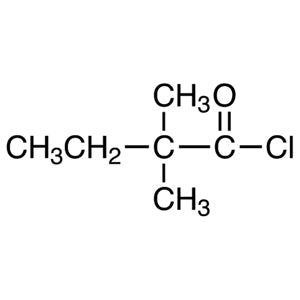
- TCI D3987 5856-77-9 2,2-Dimethylbutyryl Chloride
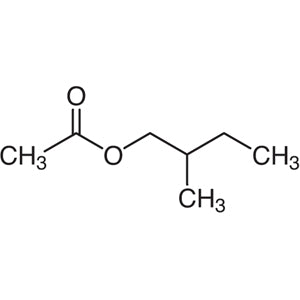
- TCI A1076 624-41-9 2-Methylbutyl Acetate
- TCI A0964 103429-90-9 3-Methoxy-3-methylbutyl Acetate
- TCI O0031 2035-99-6 Isoamyl n-Octanoate (contains 2-Methylbutyl n-Octanoate)
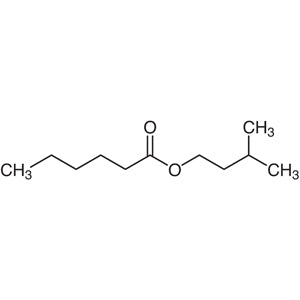
- TCI H0109 2198-61-0 Isoamyl Hexanoate (contains 2-Methylbutyl Hexanoate)
- TCI I0736 66576-71-4 Isopropyl 2-Methylbutyrate
- Organic synthesis projects benefit from this compound's reactivity in acyl transfer and esterification reactions.
- Pharmaceutical research utilizes it for the development of bioactive molecules through complex chemical transformations.
- Food chemistry applications rely on its role in synthesizing compounds with specific functional properties.
- It is ideal for Friedel-Crafts acylations due to its activated carboxyl group and reactivity.
- Its solubility in organic solvents makes it suitable for purification and separation processes in chemical laboratories.
| Brand | TCI |
|---|---|
| CAS number | 7065-46-5 |
| Molecular formula | — |
| Purity | — |
| Category | Chemistry > Building Blocks > Non-Heterocyclic Building Blocks |
| Pack sizes | Available in various quantities as per supplier specifications |
| Physical form | Liquid or solid, depending on supplier packaging |
| Storage | Store in a cool, dry place away from moisture and direct sunlight |
This compound should be stored in a cool, dry environment to maintain its chemical stability. It is recommended to keep it in a tightly sealed container to prevent exposure to moisture and air. Due to its reactivity, it should be handled in a well-ventilated area, preferably under a fume hood, to minimize inhalation risks. Avoid contact with incompatible materials such as strong bases or reducing agents. Proper personal protective equipment, including gloves and safety goggles, should always be worn when handling this substance. Regular monitoring of storage conditions is essential to ensure the integrity of the compound and the safety of laboratory personnel.
—
Produk Terkait
-
2,2-DimethylbutyrylChloride TCI D3987
Regular price From Rp 1.829.100,00Regular priceRp 1.294.650,00Sale price From Rp 1.829.100,00 -
2-MethylbutylAcetate TCI A1076
Regular price From Rp 928.200,00Regular priceRp 648.900,00Sale price From Rp 928.200,00 -
3-Methoxy-3-methylbutylAcetate TCI A0964
Regular price From Rp 505.050,00Regular priceRp 352.800,00Sale price From Rp 505.050,00 -
Isoamyln-Octanoate(contains2-Methylbutyln-Octanoate) TCI O0031
Regular price Rp 689.850,00Regular priceRp 497.700,00Sale price Rp 689.850,00 -
IsoamylHexanoate(contains2-MethylbutylHexanoate) TCI H0109
Regular price Rp 582.750,00Regular priceRp 423.150,00Sale price Rp 582.750,00 -
Isopropyl2-Methylbutyrate TCI I0736
Regular price From Rp 530.250,00Regular priceRp 386.400,00Sale price From Rp 530.250,00 -
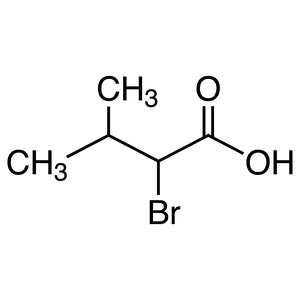
2-Bromo-3-methylbutyricAcid TCI B0668
Regular price Rp 2.068.500,00Regular priceRp 1.461.600,00Sale price Rp 2.068.500,00 -
Propyl2-Methylbutyrate TCI P1809
Regular price Rp 1.378.650,00Regular priceRp 979.650,00Sale price Rp 1.378.650,00