Bis(3-aminopropyl) Ether is a chemical compound widely used in laboratory settings for the synthesis of complex molecules. It serves as a building block in organic chemistry, enabling the creation of various functional groups and molecular structures. This compound is particularly valuable in the development of heterocyclic compounds and other complex chemical entities. Its unique structure, consisting of two amino-propyl chains connected by an oxygen atom, provides versatility in chemical reactions.
The compound exhibits stable chemical properties under controlled conditions, making it a reliable reagent in synthetic processes. It functions as an electron donor and can act as a bridging agent in chemical reactions, facilitating molecular interactions. These characteristics make it a preferred choice for researchers aiming to achieve precise chemical transformations. Its solubility in organic solvents further enhances its usability in various laboratory procedures.
In Indonesian laboratories, Bis(3-aminopropyl) Ether is commonly used in chemical research, especially in the synthesis of organic compounds and the development of new chemical materials. Its broad range of applications supports scientific innovation across educational and research institutions. Its importance lies in its ability to contribute to the advancement of chemical sciences through its versatile chemical behavior.
Related TCI products
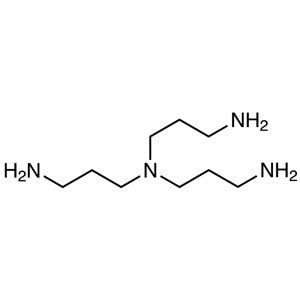
- TCI T1540 4963-47-7 Tris(3-aminopropyl)amine
- TCI B1952 10563-26-5 N,N'-Bis(3-aminopropyl)ethylenediamine
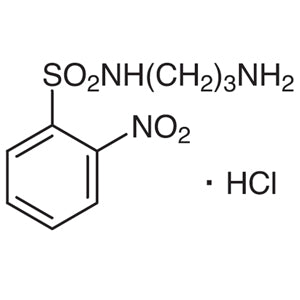
- TCI A2268 863983-46-4 N-(3-Aminopropyl)-2-nitrobenzenesulfonamide Hydrochloride
- TCI A1295 53485-07-7 N-(3-Aminopropyl)-N-methylaniline
- TCI A0891 3312-60-5 N-(3-Aminopropyl)cyclohexylamine
- TCI P1948 34901-14-9 Polyethylene Glycol Bis(3-aminopropyl) Ether
- Synthesis of heterocyclic compounds due to its ability to form stable intermediates and participate in ring-forming reactions.
- Organic molecule construction as a flexible building block for creating complex molecular architectures.
- Development of new chemical materials because of its reactivity and compatibility with various functional groups.
- Molecular bridging applications where it acts as a connecting unit between different chemical entities.
- Chemical reaction facilitation in processes requiring electron donation and molecular interaction.
| Brand | TCI |
|---|---|
| CAS number | 2157-24-6 |
| Molecular formula | — |
| Purity | — |
| Category | Chemistry > Building Blocks > Non-Heterocyclic Building Blocks |
| Pack sizes | Available in standard laboratory quantities |
| Physical form | Liquid |
| Storage | Store in a cool, dry place away from direct sunlight |
Bis(3-aminopropyl) Ether should be stored in a cool, dry environment to maintain its chemical stability. It is recommended to keep the compound in a tightly sealed container to prevent exposure to moisture and air. Suitable containers include glass or high-density polyethylene bottles to ensure chemical compatibility. Laboratory personnel should handle the compound with care, using appropriate personal protective equipment such as gloves and safety goggles. It is important to avoid contact with skin and eyes, and to ensure proper ventilation when working with this material. Regular monitoring of storage conditions will help maintain the integrity and effectiveness of the compound in research applications.
—
Produk Terkait
-
Tris(3-aminopropyl)amine TCI T1540
Regular price From Rp 6.599.250,00Regular priceRp 4.614.750,00Sale price From Rp 6.599.250,00 -
N,N'-Bis(3-aminopropyl)ethylenediamine TCI B1952
Regular price From Rp 610.050,00Regular priceRp 426.300,00Sale price From Rp 610.050,00 -
N-(3-Aminopropyl)-2-nitrobenzenesulfonamideHydrochloride TCI A2268
Regular price From Rp 3.312.750,00Regular priceRp 2.332.050,00Sale price From Rp 3.312.750,00 -
N-(3-Aminopropyl)-N-methylaniline TCI A1295
Regular price Rp 2.279.550,00Regular priceRp 1.609.650,00Sale price Rp 2.279.550,00 -
N-(3-Aminopropyl)cyclohexylamine TCI A0891
Regular price From Rp 1.934.100,00Regular priceRp 1.368.150,00Sale price From Rp 1.934.100,00 -
PolyethyleneGlycolBis(3-aminopropyl)Ether TCI P1948
Regular price From Rp 1.618.050,00Regular priceRp 1.130.850,00Sale price From Rp 1.618.050,00 -
Bis(4-cyanophenyl)Ether TCI B2790
Regular price From Rp 3.472.350,00Regular priceRp 2.443.350,00Sale price From Rp 3.472.350,00 -
Bis(2-dimethylaminoethyl)Ether TCI B1291
Regular price From Rp 900.900,00Regular priceRp 645.750,00Sale price From Rp 900.900,00