4-Tert-butylphthalonitrile is a chemical compound widely used as a building block in the synthesis of complex molecules, particularly in the fields of materials science and organic chemistry. Its unique molecular structure enables highly specific and stable chemical reactions under various conditions, making it a valuable tool for researchers. This compound is commonly found in laboratory settings where the development of advanced materials and functional compounds is required. Its versatility allows it to be incorporated into a wide range of experimental designs, supporting innovation in both academic and industrial research environments.
The chemical properties and molecular structure of 4-tert-butylphthalonitrile make it a preferred choice for substitution and coupling reactions. Its high stability against common chemical conditions simplifies synthesis processes and enhances experimental reproducibility. The compound’s purity and solid form contribute to its ease of handling and integration into laboratory workflows. These characteristics ensure that it remains a reliable and efficient component in the creation of complex molecular structures with tailored properties.
In Indonesian laboratories, 4-tert-butylphthalonitrile is utilized in material science research, especially in the development of new materials with unique optical or electronic properties. It is frequently employed in experiments related to phthalocyanine synthesis, supporting advancements in chemical and material innovation. Its availability and reliability make it a key reagent in academic and research institutions across Indonesia.
- Material synthesis for advanced optical and electronic materials due to its stable molecular structure and reactivity.
- Organic chemistry research for substitution and coupling reactions that require high chemical specificity.
- Development of new functional compounds in pharmaceutical and industrial applications.
- Academic research in phthalocyanine-based compounds for advanced material innovation.
- Supporting experiments in the creation of complex molecular architectures for specialized applications.
| Brand | TCI |
|---|---|
| CAS number | 32703-80-3 |
| Molecular formula | — |
| Purity | — |
| Category | Materials Science > Material Building Blocks > Phthalocyanine Building Blocks |
| Pack sizes | Available in standard laboratory quantities as per supplier specifications |
| Physical form | Solid |
| Storage | Store in a cool, dry place away from direct light and moisture |
4-Tert-butylphthalonitrile should be stored in a cool, dry environment, away from direct sunlight and moisture to maintain its chemical stability. It is recommended to use airtight containers to prevent exposure to air and potential contaminants. Due to its chemical nature, it should be handled with appropriate personal protective equipment, such as gloves and safety goggles, to ensure laboratory safety. The compound is generally stable under normal storage conditions, but it should be kept away from incompatible substances to avoid any chemical interactions. Proper labeling and storage practices are essential to ensure safe handling and long-term usability in laboratory settings.
—
Produk Terkait
-
Phthalonitrile TCI P0404
Regular price From Rp 557.550,00Regular priceRp 405.300,00Sale price From Rp 557.550,00 -
4-(2',6'-Dimethylphenoxy)phthalonitrile TCI D1983
Regular price From Rp 2.677.500,00Regular priceRp 1.887.900,00Sale price From Rp 2.677.500,00 -
4-Iodophthalonitrile TCI I1050
Regular price Rp 4.876.200,00Regular priceRp 3.425.100,00Sale price Rp 4.876.200,00 -
Tetrachlorophthalonitrile TCI T3067
Regular price From Rp 1.378.650,00Regular priceRp 979.650,00Sale price From Rp 1.378.650,00 -
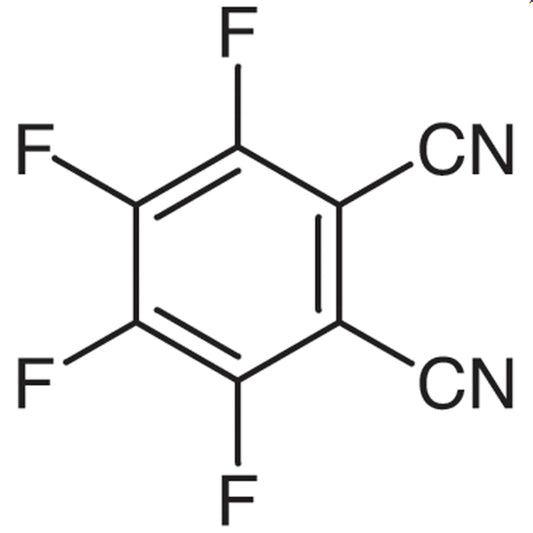
Tetrafluorophthalonitrile TCI T1402
Regular price From Rp 1.298.850,00Regular priceRp 924.000,00Sale price From Rp 1.298.850,00 -
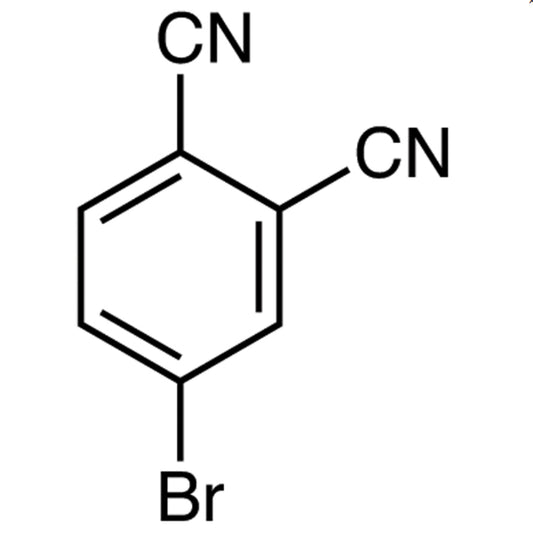
4-Bromophthalonitrile TCI B5509
Regular price From Rp 2.147.250,00Regular priceRp 1.517.250,00Sale price From Rp 2.147.250,00 -
4-Butoxyphthalonitrile TCI B1353
Regular price Rp 1.618.050,00Regular priceRp 1.146.600,00Sale price Rp 1.618.050,00 -
4-Aminophthalonitrile TCI A1166
Regular price From Rp 2.994.600,00Regular priceRp 2.109.450,00Sale price From Rp 2.994.600,00