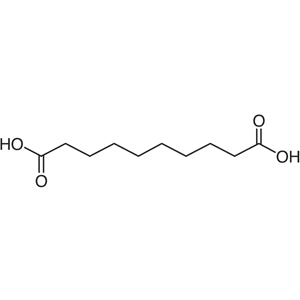
2,2-Bis(4-carboxyphenyl)hexafluoropropane is a chemical compound widely used in laboratory settings for its unique structural and functional properties. This fluorinated building block plays a crucial role in the synthesis of complex organic molecules, particularly those with hydrophobic or fluoroorganic characteristics. Its stability and reactivity make it a versatile tool for researchers aiming to develop new materials or compounds with specific chemical properties. As a foundational component in chemical synthesis, it supports the creation of advanced molecular structures that are essential in various scientific fields.
The compound's high thermal and chemical stability, attributed to its fluorinated structure, makes it a preferred choice for use in aggressive reaction environments. Its ability to react with a variety of functional groups allows it to be integrated into multiple synthetic pathways. Additionally, its reactivity is well-balanced with stability, making it suitable for substitution reactions, esterification, and other processes where controlled chemical behavior is required. These properties ensure its reliability in both academic and industrial research settings.
In Indonesian laboratories, this compound is commonly used in organic chemistry research and material development. It is particularly valued for its role in creating fluorinated compounds with specific functional properties. Its application supports the advancement of chemical research in the region, contributing to the development of new products and scientific knowledge. Its consistent performance and reliability make it a trusted choice among Indonesian researchers.
TCI brochures (PDF)
- Aromatic Monomers with Trifluoromethyl Groups 2025-07-09 · p. 1
- Monomers 2025-05-28 · p. 34
Related TCI products
- TCI B2115 64465-34-5 2,2-Bis(3-nitrophenyl)hexafluoropropane
- TCI H0424 920-66-1 1,1,1,3,3,3-Hexafluoropropan-2-ol
- TCI E0415 3753-05-7 Ethylene Glycol Bis(4-carboxyphenyl) Ether
- TCI B6873 1102-92-7 4,4'-(Perfluoropropane-2,2-diyl)dibenzoyl Chloride
- TCI T3728 45102-52-1 2,2,3,3-Tetrafluoropropyl Methacrylate (stabilized with MEHQ)
- TCI A0161 124-04-9 Adipic Acid
- Organic synthesis of fluorinated compounds due to its stable fluorinated structure and reactivity.
- Development of hydrophobic materials for use in coatings and surface treatments.
- Preparation of fluoroorganic compounds for pharmaceutical and industrial applications.
- Research in advanced polymer science requiring controlled chemical reactivity.
- Creation of functionalized molecules for use in analytical chemistry and material science.
| Brand | TCI |
|---|---|
| CAS number | 1171-47-7 |
| Molecular formula | — |
| Purity | — |
| Category | Chemistry > Building Blocks > Fluorinated Building Blocks |
| Pack sizes | Available in standard laboratory quantities |
| Physical form | Solid |
| Storage | Store in a cool, dry place away from light and moisture |
This compound should be stored in a cool, dry environment, away from direct light and moisture to maintain its chemical integrity. It is recommended to use airtight containers made of materials that are chemically inert to prevent any unwanted reactions. Due to its fluorinated nature, it is important to handle it with care to avoid exposure to incompatible substances. In laboratory settings, proper ventilation and protective equipment should be used when handling this material. Regular monitoring of storage conditions ensures the compound remains stable and suitable for use in chemical syntheses and research applications.
—
Product Categories
Produk Terkait
-
2,2-Bis(3-nitrophenyl)hexafluoropropane TCI B2115
Regular price From Rp 2.466.450,00Regular priceRp 1.724.100,00Sale price From Rp 2.466.450,00 -
1,1,1,3,3,3-Hexafluoropropan-2-ol TCI H0424
Regular price From Rp 1.803.900,00Regular priceRp 1.261.050,00Sale price From Rp 1.803.900,00 -
EthyleneGlycolBis(4-carboxyphenyl)Ether TCI E0415
Regular price From Rp 3.419.850,00Regular priceRp 2.406.600,00Sale price From Rp 3.419.850,00 -
4,4'-(Perfluoropropane-2,2-diyl)dibenzoylChloride TCI B6873
Regular price From Rp 3.232.950,00Regular priceRp 2.260.650,00Sale price From Rp 3.232.950,00 -
2,2,3,3-TetrafluoropropylMethacrylate(stabilizedwithMEHQ) TCI T3728
Regular price From Rp 557.550,00Regular priceRp 389.550,00Sale price From Rp 557.550,00 -
AdipicAcid TCI A0161
Regular price From Rp 452.550,00Regular priceRp 316.050,00Sale price From Rp 452.550,00 -
TetrafluorosuccinicAcid TCI T1621
Regular price From Rp 2.702.700,00Regular priceRp 1.905.750,00Sale price From Rp 2.702.700,00 -
SebacicAcid TCI S0022
Regular price From Rp 557.550,00Regular priceRp 405.300,00Sale price From Rp 557.550,00