2,2-Bis(3-nitrophenyl)hexafluoropropane is a fluorinated compound widely used in chemical laboratories as a building block for the synthesis of complex organic molecules. This compound plays a crucial role in the development of organofluorine compounds, which are essential in various scientific fields. Its unique molecular structure, featuring multiple fluorine atoms, contributes to its distinct chemical and physical properties, making it a versatile reagent in synthetic chemistry. Due to its stability and controlled reactivity, it is a valuable tool for researchers aiming to create compounds with specific functional groups and molecular configurations.
The compound's fluorinated structure provides it with high chemical stability and controlled reactivity, making it a preferred choice in laboratory settings. The presence of fluorine atoms imparts non-polar characteristics and high electronegativity, which influence its reactivity and molecular interactions. These properties allow it to participate effectively in substitution reactions and other chemical transformations. Its ability to maintain structural integrity under various reaction conditions ensures reliable results in synthetic processes, making it a trusted reagent in both academic and industrial research environments.
In Indonesian laboratories, 2,2-Bis(3-nitrophenyl)hexafluoropropane is commonly used in pharmaceutical and materials research. Its role in the synthesis of complex compounds supports advancements in drug development and functional material design. Researchers rely on its consistent performance and predictable behavior to achieve precise molecular structures, which are critical in modern chemical synthesis. Its application in these contexts highlights its importance in driving scientific innovation in the region.
Related TCI products
- TCI B1401 1171-47-7 2,2-Bis(4-carboxyphenyl)hexafluoropropane
- TCI H0424 920-66-1 1,1,1,3,3,3-Hexafluoropropan-2-ol
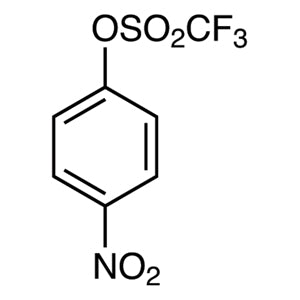
- TCI N0993 17763-80-3 4-Nitrophenyl Trifluoromethanesulfonate
- TCI T3728 45102-52-1 2,2,3,3-Tetrafluoropropyl Methacrylate (stabilized with MEHQ)
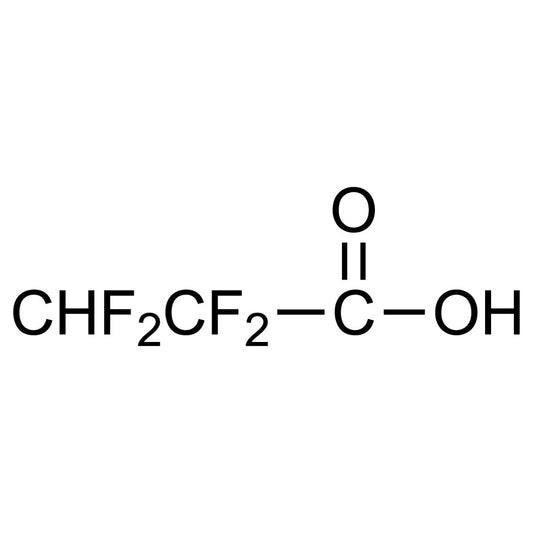
- TCI T1777 756-09-2 2,2,3,3-Tetrafluoropropionic Acid
- TCI T1713 2516-99-6 3,3,3-Trifluoropropionic Acid
- Used in pharmaceutical research for the synthesis of fluorinated drug molecules due to its controlled reactivity and stability.
- Applied in materials science for the development of advanced polymers and coatings that require fluorinated functional groups.
- Utilized in organic chemistry for the creation of complex organofluorine compounds with specific molecular architectures.
- Employed in analytical chemistry for the preparation of reference standards and calibration solutions.
- Integrated into synthetic pathways for the production of specialty chemicals with enhanced chemical resistance and thermal stability.
| Brand | TCI |
|---|---|
| CAS number | 64465-34-5 |
| Molecular formula | — |
| Purity | — |
| Category | Chemistry > Building Blocks > Fluorinated Building Blocks |
| Pack sizes | Available in various quantities as per supplier specifications |
| Physical form | Liquid |
| Storage | Store in a cool, dry, and well-ventilated area away from heat and direct sunlight |
This compound should be stored in a cool, dry, and well-ventilated area, away from heat and direct sunlight. It is recommended to use sealed containers made of materials compatible with fluorinated compounds, such as glass or high-density polyethylene. Due to its chemical stability, it does not require refrigeration but should be protected from moisture and potential contaminants. In laboratory settings, it is essential to handle the compound with appropriate personal protective equipment, including gloves and safety goggles, to ensure safe handling. Proper labeling and storage practices help maintain the integrity of the compound and minimize risks associated with its use.
—
Produk Terkait
-
2,2-Bis(4-carboxyphenyl)hexafluoropropane TCI B1401
Regular price From Rp 1.405.950,00Regular priceRp 982.800,00Sale price From Rp 1.405.950,00 -
1,1,1,3,3,3-Hexafluoropropan-2-ol TCI H0424
Regular price From Rp 1.803.900,00Regular priceRp 1.261.050,00Sale price From Rp 1.803.900,00 -
4-NitrophenylTrifluoromethanesulfonate TCI N0993
Regular price From Rp 557.550,00Regular priceRp 389.550,00Sale price From Rp 557.550,00 -
2,2,3,3-TetrafluoropropylMethacrylate(stabilizedwithMEHQ) TCI T3728
Regular price From Rp 557.550,00Regular priceRp 389.550,00Sale price From Rp 557.550,00 -
2,2,3,3-TetrafluoropropionicAcid TCI T1777
Regular price Rp 3.524.850,00Regular priceRp 2.480.100,00Sale price Rp 3.524.850,00 -
3,3,3-TrifluoropropionicAcid TCI T1713
Regular price From Rp 1.167.600,00Regular priceRp 831.600,00Sale price From Rp 1.167.600,00 -
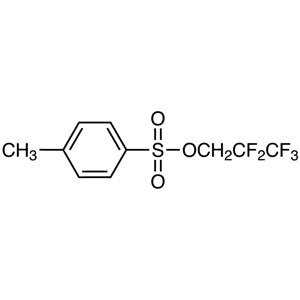
2,2,3,3,3-Pentafluoropropylp-Toluenesulfonate TCI P1834
Regular price From Rp 2.650.200,00Regular priceRp 1.853.250,00Sale price From Rp 2.650.200,00 -
MethylPentafluoropropionate TCI P1352
Regular price From Rp 1.060.500,00Regular priceRp 757.050,00Sale price From Rp 1.060.500,00