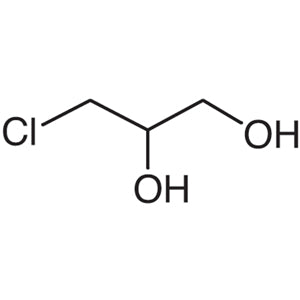
1,1,1,3,3,3-Hexafluoropropan-2-ol is a fluorinated chemical compound widely used in laboratory settings for its unique chemical and physical properties. As a fluorinated building block, it plays a crucial role in organic synthesis and chemical reactions, particularly in the development of organofluorine compounds. This compound is commonly employed as a reagent or catalyst in substitution and oxidation reactions due to its stability and reactivity. Its presence in various research fields, including pharmaceuticals and materials science, highlights its importance in modern chemical experimentation.
The compound’s high solubility in organic solvents and exceptional chemical stability make it a preferred choice for laboratory applications. Its non-polar nature, derived from the strong fluorination, influences its interactions with other molecules, making it suitable for a range of synthetic processes. Additionally, its high boiling point allows it to be used in reactions requiring elevated temperatures without compromising its structural integrity. These properties ensure its reliability and effectiveness in diverse chemical environments.
In Indonesian laboratories, 1,1,1,3,3,3-Hexafluoropropan-2-ol is extensively utilized in organic chemistry research, particularly in the development of new materials and pharmaceutical compounds. Its availability and consistent performance make it a valuable resource for researchers working on fluorinated compounds. The compound’s role in both academic and industrial research underscores its significance in the Indonesian scientific community.
- Organic synthesis applications benefit from its reactivity and stability, making it ideal for creating complex fluorinated molecules.
- Pharmaceutical research utilizes this compound in the development of drug compounds due to its unique chemical properties.
- Material science experiments rely on its non-polar nature for creating specialized polymers and coatings.
- Analytical chemistry uses it as a standard for calibration and testing due to its consistent chemical behavior.
- Environmental studies incorporate it in the analysis of fluorinated compounds in various samples.
| Brand | TCI |
|---|---|
| CAS number | 920-66-1 |
| Molecular formula | — |
| Purity | — |
| Category | Chemistry > Building Blocks > Fluorinated Building Blocks |
| Pack sizes | Available in various quantities as per supplier specifications |
| Physical form | Liquid |
| Storage | Store in a cool, dry place away from direct sunlight |
This compound should be stored in a cool, dry environment, away from direct sunlight and sources of heat. It is recommended to use airtight containers made of materials compatible with fluorinated compounds to prevent contamination and degradation. Due to its chemical stability, it does not require refrigeration but should be kept in a secure location to avoid accidental exposure. Laboratory personnel should handle it with appropriate personal protective equipment to ensure safety during use and storage. Proper ventilation is advised when working with this compound to minimize inhalation risks. Regular inspection of storage containers is necessary to maintain the integrity of the compound and ensure safe handling practices are followed.
—
Produk Terkait
-
3-Bromo-3-buten-1-ol TCI B6666
Regular price From Rp 1.273.650,00Regular price -
4-Chloro-1-butanol(containsvaryingamountsofTetrahydrofuran) TCI C0144
Regular price From Rp 1.510.950,00Regular price -
3-Chloro-1,2-propanediol TCI C0268
Regular price From Rp 505.050,00Regular price -
1-Chloro-2-propanol(containsca.25%2-Chloro-1-propanol) TCI C0269
Regular price From Rp 717.150,00Regular price -
3-Chloro-1-propanol TCI C0270
Regular price From Rp 823.200,00Regular price -
6-Chloro-1-hexanol TCI C0801
Regular price From Rp 1.538.250,00Regular price -
5-Chloro-1-pentanol TCI C0815
Regular price From Rp 2.094.750,00Regular price -
1-Chloro-2-methyl-2-propanol TCI C0971
Regular price Rp 1.565.550,00Regular price