2,3-Bis(2,4,5-trimethyl-3-thienyl)maleic anhydride is a specialized chemical compound used in material science research, particularly in the development of optical and photochromic materials. This compound plays a crucial role in laboratories where the study of light-responsive materials is essential. Its molecular structure enables it to interact with electromagnetic radiation, making it a valuable tool for researchers exploring the properties of materials that change under light exposure. It is commonly used in the synthesis of photochromic dyes, which have applications in various fields, including optoelectronics and sensor technologies.
The compound is preferred due to its chemical stability and controlled reactivity, which are essential for precise experimental outcomes. Its molecular structure allows for selective light absorption, making it ideal for applications requiring specific optical responses. The compound's high purity ensures consistent results, which is vital for scientific research that demands accuracy and reproducibility. These properties make it a reliable choice for laboratories working on advanced material development and optical studies.
In Indonesian laboratories, this compound is widely used in material science research, especially in the fields of optics and photochromic materials. It is a key component in the development of light-sensitive pigments and color-changing materials. Its application is common in both academic and industrial research settings, supporting innovation in optical technologies and material science. The compound's reliability and performance make it a preferred choice for researchers in Indonesia.
Related TCI products
- TCI B1536 112440-46-7 cis-1,2-Dicyano-1,2-bis(2,4,5-trimethyl-3-thienyl)ethene
- TCI B1535 220191-36-6 2,3-Bis(2,4,5-trimethyl-3-thienyl)maleimide
- TCI B2629 172612-67-8 1,2-Bis(2,4-dimethyl-5-phenyl-3-thienyl)-3,3,4,4,5,5-hexafluoro-1-cyclopentene
- TCI B5604 172612-67-8 1,2-Bis(2,4-dimethyl-5-phenyl-3-thienyl)-3,3,4,4,5,5-hexafluoro-1-cyclopentene (purified by sublimation)
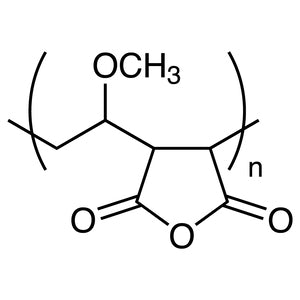
- TCI P3007 9011-16-9 Poly(methyl vinyl ether-alt-maleic anhydride) (specific viscosity 27-39)
- TCI P3006 9011-16-9 Poly(methyl vinyl ether-alt-maleic anhydride) (specific viscosity 10-15)
- Photochromic Dye Development: This compound is ideal for creating materials that change color when exposed to light, making it essential for optical material research.
- Optical Sensor Fabrication: Its light-responsive properties enable its use in the development of sensors that detect and respond to specific wavelengths of light.
- Pigment Synthesis: It is widely used in the production of light-sensitive pigments for applications in displays and optical coatings.
- Material Characterization Studies: Its unique molecular structure allows researchers to study how materials interact with electromagnetic radiation.
- Advanced Optical Material Research: It supports the development of new materials with tailored optical properties for use in optoelectronic devices.
| Brand | TCI |
|---|---|
| CAS number | 112440-47-8 |
| Molecular formula | — |
| Purity | — |
| Category | Materials Science > Photonic Materials and Optical Materials > Photochromic Dyes |
| Pack sizes | Available in various quantities as per standard laboratory supply |
| Physical form | Solid |
| Storage | Store in a cool, dry place away from light and moisture |
This compound should be stored in a cool, dry environment, away from direct sunlight and moisture to maintain its chemical stability. It is recommended to use airtight containers made of glass or inert plastic to prevent contamination and degradation. Due to its photochromic nature, exposure to light should be minimized during storage and handling. Laboratory personnel should wear appropriate personal protective equipment, such as gloves and safety goggles, when working with this material. Proper ventilation is also advised to ensure safe handling in laboratory settings. The compound is non-hazardous under normal conditions but should be handled with care to prevent accidental exposure.
—
Produk Terkait
-
cis-1,2-Dicyano-1,2-bis(2,4,5-trimethyl-3-thienyl)ethene TCI B1536
Regular price Rp 7.023.450,00Regular priceRp 4.926.600,00Sale price Rp 7.023.450,00 -
2,3-Bis(2,4,5-trimethyl-3-thienyl)maleimide TCI B1535
Regular price From Rp 2.862.300,00Regular priceRp 2.017.050,00Sale price From Rp 2.862.300,00 -
1,2-Bis(2,4-dimethyl-5-phenyl-3-thienyl)-3,3,4,4,5,5-hexafluoro-1-cyclopentene TCI B2629
Regular price From Rp 2.411.850,00Regular priceRp 1.702.050,00Sale price From Rp 2.411.850,00 -
1,2-Bis(2,4-dimethyl-5-phenyl-3-thienyl)-3,3,4,4,5,5-hexafluoro-1-cyclopentene(purifiedbysublimation) TCI B5604
Regular price Rp 3.312.750,00Regular priceRp 2.332.050,00Sale price Rp 3.312.750,00 -
Poly(methylvinylether-alt-maleicanhydride)(specificviscosity27-39) TCI P3007
Regular price From Rp 2.174.550,00Regular priceRp 1.520.400,00Sale price From Rp 2.174.550,00 -
Poly(methylvinylether-alt-maleicanhydride)(specificviscosity10-15) TCI P3006
Regular price From Rp 2.174.550,00Regular priceRp 1.520.400,00Sale price From Rp 2.174.550,00 -
Poly(methylvinylether-alt-maleicanhydride)(specificviscosity01-05) TCI P2884
Regular price From Rp 1.565.550,00Regular priceRp 1.094.100,00Sale price From Rp 1.565.550,00 -
MaleicAnhydride TCI M0005
Regular price From Rp 505.050,00Regular priceRp 368.550,00Sale price From Rp 505.050,00