TCI B1536, with the CAS number 112440-46-7, is a chemical compound known as cis-1,2-Dicyano-1,2-bis(2,4,5-trimethyl-3-thienyl)ethene. This material is widely used in laboratory settings for its unique photochromic properties, enabling it to change color when exposed to light. Its role in the laboratory is critical for the development of advanced optical and photonic materials, making it a key component in research focused on light-responsive compounds. Due to its ability to undergo visible color changes, it is particularly valuable in studies involving molecular switches and optical sensors.
The compound's complex molecular structure contributes to its remarkable photochromic behavior, allowing for significant and reversible color changes under different light conditions. This property makes it a preferred choice for researchers working on materials that require sensitivity to environmental stimuli. Additionally, its chemical stability ensures consistent performance in controlled laboratory environments, making it reliable for long-term experiments. The compound’s ability to respond visually to light exposure also enhances its utility in applications that require real-time monitoring and analysis.
In Indonesian laboratories, TCI B1536 is commonly used in research related to optical materials, photonic devices, and light-sensitive sensors. It plays a vital role in projects aimed at developing innovative materials for use in information technology and advanced scientific applications. Its presence in these research areas highlights its importance in advancing material science and optical technology within the region.
Related TCI products
- TCI B1535 220191-36-6 2,3-Bis(2,4,5-trimethyl-3-thienyl)maleimide
- TCI B1534 112440-47-8 2,3-Bis(2,4,5-trimethyl-3-thienyl)maleic Anhydride
- TCI B2629 172612-67-8 1,2-Bis(2,4-dimethyl-5-phenyl-3-thienyl)-3,3,4,4,5,5-hexafluoro-1-cyclopentene
- TCI B5604 172612-67-8 1,2-Bis(2,4-dimethyl-5-phenyl-3-thienyl)-3,3,4,4,5,5-hexafluoro-1-cyclopentene (purified by sublimation)
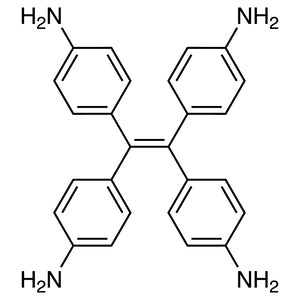
- TCI T4075 78525-34-5 4,4',4'',4'''-(Ethene-1,1,2,2-tetrayl)tetraaniline
- TCI B5377 477789-30-3 trans-1,2-Bis[5-(trimethylstannyl)thiophen-2-yl]ethene
- Optical material development for sensors and light-responsive devices due to its color-changing properties.
- Photonic research applications where light-induced molecular changes are essential for functional material design.
- Advanced material synthesis projects requiring stable and responsive chemical compounds for optical applications.
- Light-sensitive sensor development to detect and measure environmental changes through visual color shifts.
- Research in information technology for creating next-generation optical components and data storage solutions.
| Brand | TCI |
|---|---|
| CAS number | 112440-46-7 |
| Molecular formula | — |
| Purity | — |
| Category | Materials Science > Photonic Materials and Optical Materials > Photochromic Dyes |
| Pack sizes | Available in standard laboratory quantities as per supplier specifications |
| Physical form | Solid, crystalline appearance |
| Storage | Store in a cool, dry place away from direct light and moisture |
This compound should be stored in a cool, dry environment, away from direct sunlight and sources of moisture to maintain its chemical integrity. It is recommended to use airtight containers made of glass or high-density polyethylene to prevent contamination and degradation. Due to its photochromic nature, exposure to light should be minimized during storage and handling to avoid premature color changes. Laboratory personnel should wear appropriate personal protective equipment, including gloves and safety goggles, when handling the material. The compound is non-hazardous under normal conditions but should be treated with care to ensure safe laboratory practices. Always follow standard chemical handling procedures to maintain a safe and controlled research environment.
—
Produk Terkait
-
2,3-Bis(2,4,5-trimethyl-3-thienyl)maleimide TCI B1535
Regular price From Rp 2.862.300,00Regular priceRp 2.017.050,00Sale price From Rp 2.862.300,00 -
2,3-Bis(2,4,5-trimethyl-3-thienyl)maleicAnhydride TCI B1534
Regular price From Rp 5.141.850,00Regular priceRp 3.610.950,00Sale price From Rp 5.141.850,00 -
1,2-Bis(2,4-dimethyl-5-phenyl-3-thienyl)-3,3,4,4,5,5-hexafluoro-1-cyclopentene TCI B2629
Regular price From Rp 2.411.850,00Regular priceRp 1.702.050,00Sale price From Rp 2.411.850,00 -
1,2-Bis(2,4-dimethyl-5-phenyl-3-thienyl)-3,3,4,4,5,5-hexafluoro-1-cyclopentene(purifiedbysublimation) TCI B5604
Regular price Rp 3.312.750,00Regular priceRp 2.332.050,00Sale price Rp 3.312.750,00 -
4,4',4'',4'''-(Ethene-1,1,2,2-tetrayl)tetraaniline TCI T4075
Regular price Rp 3.922.800,00Regular priceRp 2.758.350,00Sale price Rp 3.922.800,00 -
trans-1,2-Bis[5-(trimethylstannyl)thiophen-2-yl]ethene TCI B5377
Regular price Rp 7.182.000,00Regular priceRp 5.037.900,00Sale price Rp 7.182.000,00 -
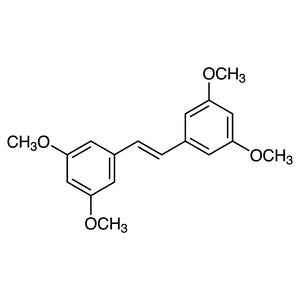
trans-1,2-Bis(3,5-dimethoxyphenyl)ethene TCI E1539
Regular price Rp 2.068.500,00Regular priceRp 1.445.850,00Sale price Rp 2.068.500,00 -
(E)-1,2-Bis(4-tert-butylphenyl)ethene TCI E1522
Regular price From Rp 2.174.550,00Regular priceRp 1.520.400,00Sale price From Rp 2.174.550,00