4-Tert-Butylbenzonitrile is a chemical compound widely used as a foundational building block in the synthesis of complex organic compounds. It serves as a versatile intermediate in various chemical reactions, particularly in the development of aromatic and heterocyclic structures. This compound plays a crucial role in both academic and industrial research settings, where its chemical stability and reactivity make it an essential tool for chemists. Its unique molecular structure, featuring a nitrile group and a tert-butyl substituent, allows for a wide range of chemical transformations, making it a valuable resource in synthetic chemistry.
The compound is known for its chemical stability and controlled reactivity, which are key factors in its popularity among researchers. Its high melting and boiling points ensure that it remains stable under a variety of experimental conditions, which is particularly beneficial in laboratory environments that require precise temperature control. Additionally, its clear and consistent properties make it ideal for use in experiments that demand accuracy and reproducibility. These characteristics contribute to its widespread use in both research and development applications.
In Indonesian laboratories, 4-Tert-Butylbenzonitrile is commonly utilized in pure and applied chemical research. It is frequently employed in the synthesis of new compounds, drug development, and material science studies. Its availability and reliability make it a preferred choice for educational institutions and research centers across Indonesia, supporting a broad range of scientific investigations.
Related TCI products
- Organic synthesis of aromatic and heterocyclic compounds due to its stable nitrile group and tert-butyl substituent.
- Development of pharmaceuticals and agrochemicals as a versatile intermediate in complex molecule construction.
- Research in material science for the creation of functional polymers and advanced chemical materials.
- Educational experiments in undergraduate and graduate chemistry courses for teaching synthetic methods.
- Analytical chemistry applications for standardization and calibration of chemical reaction conditions.
| Brand | TCI |
|---|---|
| CAS number | 4210-32-6 |
| Molecular formula | — |
| Purity | — |
| Category | Chemistry > Building Blocks > Non-Heterocyclic Building Blocks |
| Pack sizes | Available in various quantities as per supplier specifications |
| Physical form | Liquid |
| Storage | Store in a cool, dry place away from direct sunlight |
4-Tert-Butylbenzonitrile should be stored in a cool, dry place, away from direct sunlight and sources of heat. It is recommended to keep the compound in tightly sealed containers made of materials compatible with its chemical properties, such as glass or high-density polyethylene. Due to its chemical stability, it does not require refrigeration but should be protected from moisture and air exposure. In laboratory settings, it is important to handle the compound with appropriate personal protective equipment, including gloves and safety goggles, to ensure safe handling. Proper ventilation should be maintained when working with this compound to minimize any potential inhalation risks.
—
Produk Terkait
-
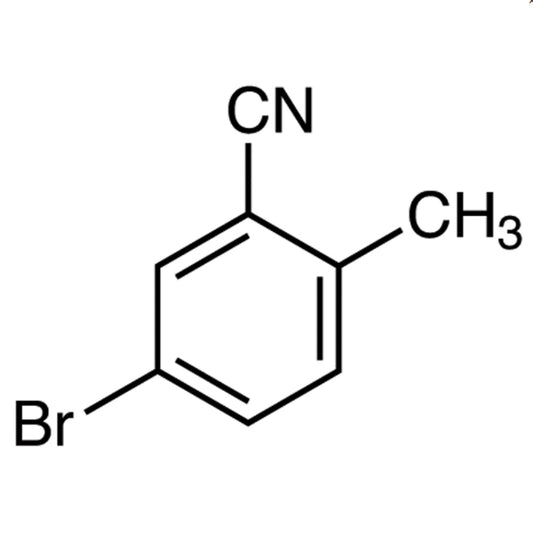
5-Bromo-2-methylbenzonitrile TCI B4808
Regular price From Rp 769.650,00Regular priceRp 553.350,00Sale price From Rp 769.650,00 -
2-Bromo-5-methylbenzonitrile TCI B4678
Regular price From Rp 769.650,00Regular priceRp 553.350,00Sale price From Rp 769.650,00 -
4-Bromo-2-methylbenzonitrile TCI B3993
Regular price Rp 2.411.850,00Regular priceRp 1.702.050,00Sale price Rp 2.411.850,00 -
4-Bromo-3-methylbenzonitrile TCI B2718
Regular price From Rp 2.093.700,00Regular priceRp 1.479.450,00Sale price From Rp 2.093.700,00 -
2-Amino-5-methylbenzonitrile TCI A2843
Regular price Rp 3.127.950,00Regular priceRp 2.202.900,00Sale price Rp 3.127.950,00 -
5-Amino-2-methylbenzonitrile TCI A2814
Regular price From Rp 530.250,00Regular priceRp 386.400,00Sale price From Rp 530.250,00 -
2-Amino-4-methylbenzonitrile TCI A2448
Regular price From Rp 2.121.000,00Regular priceRp 1.498.350,00Sale price From Rp 2.121.000,00 -
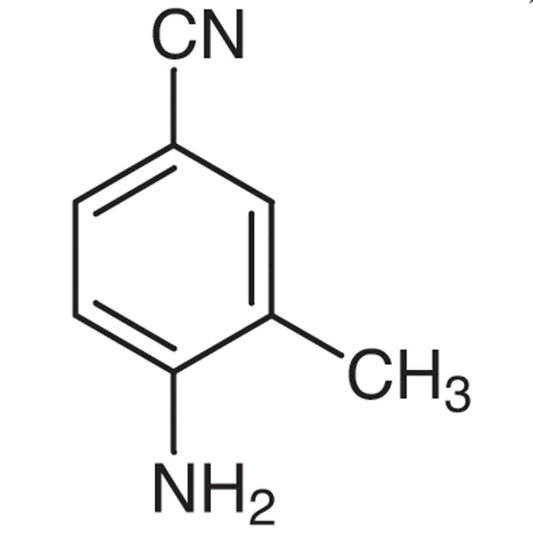
4-Amino-3-methylbenzonitrile TCI A2107
Regular price From Rp 822.150,00Regular priceRp 590.100,00Sale price From Rp 822.150,00