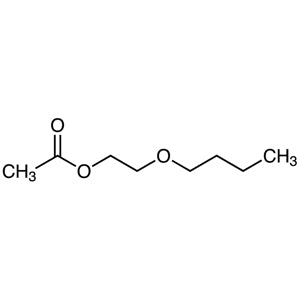
Bis(2-formylphenyl) Ether is a chemical compound widely used as a building block in the synthesis of complex organic compounds. This compound features a molecular structure composed of two phenyl groups, each substituted with an aldehyde group. In the laboratory, it serves as a versatile reagent that supports high reactivity and structural stability in various chemical reactions. Its unique chemical properties make it a valuable tool for researchers aiming to develop new compounds or modify existing ones.
The compound's reactivity towards nucleophilic, electrophilic, and oxidation reactions makes it a preferred choice in synthetic chemistry. Its ability to participate in multiple reaction pathways enhances its utility in organic synthesis. Additionally, its chemical stability under specific conditions ensures reliable performance in controlled laboratory environments. These characteristics contribute to its growing popularity among scientists working in both fundamental and applied research.
In Indonesian laboratories, Bis(2-formylphenyl) Ether is commonly used in pure and applied chemical research. Its availability and consistent chemical properties make it a go-to material for various experimental applications. Researchers in Indonesia rely on this compound for its reliability and effectiveness in creating new chemical structures and exploring reaction mechanisms. Its role in advancing chemical research is well recognized in the scientific community.
Related TCI products
- Organic synthesis applications benefit from Bis(2-formylphenyl) Ether due to its reactivity in forming complex molecular structures through various reaction mechanisms.
- It is ideal for nucleophilic substitution reactions because of its electrophilic aldehyde groups that readily react with nucleophiles.
- In electrophilic addition reactions, the compound provides a stable platform for introducing functional groups into organic molecules.
- Oxidation reactions can be efficiently carried out using this compound, as it offers a consistent and predictable response to oxidizing agents.
- Its versatility makes it suitable for modification of existing compounds, enabling the development of new chemical derivatives with desired properties.
| Brand | TCI |
|---|---|
| CAS number | 49590-51-4 |
| Molecular formula | — |
| Purity | — |
| Category | Chemistry > Building Blocks > Non-Heterocyclic Building Blocks |
| Pack sizes | Available in standard laboratory quantities |
| Physical form | Solid or liquid, depending on the specific product variant |
| Storage | Store in a cool, dry place away from direct sunlight and moisture |
Bis(2-formylphenyl) Ether should be stored in a cool, dry environment to maintain its chemical stability. It is recommended to keep the compound in a tightly sealed container to prevent exposure to moisture and air. Due to its reactivity, it should be handled in a well-ventilated area to minimize inhalation risks. Suitable containers include glass or high-density polyethylene vessels that are resistant to chemical degradation. General laboratory precautions include wearing appropriate personal protective equipment, such as gloves and safety goggles, when handling the compound. Proper disposal of any unused material should follow local regulations to ensure environmental safety.
—
Produk Terkait
-
Bis(4-formylphenyl)Ether TCI B5099
Regular price From Rp 2.677.500,00Regular priceRp 1.872.150,00Sale price From Rp 2.677.500,00 -
Tris(4-formylphenyl)amine TCI T2310
Regular price Rp 2.147.250,00Regular priceRp 1.517.250,00Sale price Rp 2.147.250,00 -
Bis(4-formylphenyl)phenylamine TCI B2843
Regular price Rp 5.114.550,00Regular priceRp 3.592.050,00Sale price Rp 5.114.550,00 -
1,3,5-Tris(4-formylphenyl)benzene TCI F1252
Regular price From Rp 2.625.000,00Regular priceRp 1.835.400,00Sale price From Rp 2.625.000,00 -
2-Ethoxy-4-formylphenylAcetate TCI E1415
Regular price From Rp 769.650,00Regular priceRp 537.600,00Sale price From Rp 769.650,00 -
BenzoinIsopropylEther TCI B0942
Regular price From Rp 557.550,00Regular priceRp 405.300,00Sale price From Rp 557.550,00 -
EthyleneGlycolMonobutylEtherAcetate TCI B0700
Regular price From Rp 452.550,00Regular priceRp 316.050,00Sale price From Rp 452.550,00 -
PropyleneGlycol1-MonomethylEther2-Acetate TCI P1171
Regular price Rp 610.050,00Regular priceRp 426.300,00Sale price Rp 610.050,00