3-(2-Benzothiazolylthio)propionic Acid is a chemical compound widely used in laboratory settings for constructing complex molecular structures. It serves as a key building block in the synthesis of heterocyclic compounds, enabling the development of molecules with specific functional groups and structural features. This compound is essential in organic chemistry research, where its versatility allows for the modification of carbon chains and the incorporation of targeted functional groups into final products. Its role in synthetic pathways makes it a valuable tool for chemists working on advanced chemical transformations.
The compound is known for its chemical stability and reactivity, which make it suitable for substitution reactions and the formation of new bonds. Its complex molecular structure allows for precise control in chemical reactions, making it ideal for applications requiring high accuracy. Additionally, its solid form facilitates easy weighing and handling, enhancing its usability in various experimental procedures. These properties contribute to its popularity among researchers in both academic and industrial laboratories.
In Indonesian laboratories, 3-(2-Benzothiazolylthio)propionic Acid is commonly used in organic chemistry research, particularly in pharmacology and the synthesis of new compounds. It is a staple in research institutions and universities, where it supports the development of pharmaceuticals and other advanced chemical products. Its presence in laboratory workflows highlights its importance in the pursuit of scientific innovation and discovery.
Related TCI products
- TCI B1941 6295-57-4 (2-Benzothiazolylthio)acetic Acid
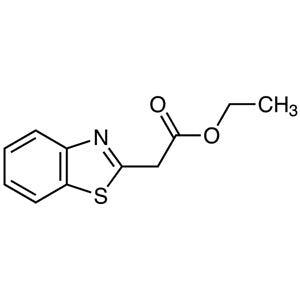
- TCI B2168 29182-42-1 Ethyl 2-(2-Benzothiazolyl)acetate
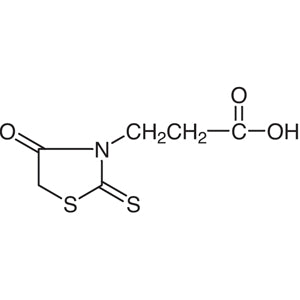
- TCI R0060 7025-19-6 Rhodanine-3-propionic Acid
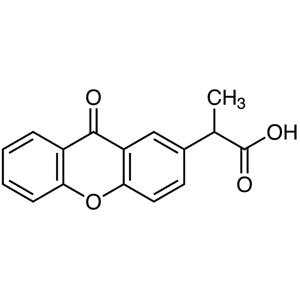
- TCI O0395 30087-33-3 2-(9-Oxoxanthen-2-yl)propionic Acid
- TCI D0538 120-78-5 2,2'-Dibenzothiazolyl Disulfide
- TCI B2077 58280-31-2 Bis[2-(2-benzothiazolyl)phenolato]zinc(II)
- Heterocyclic Compound Synthesis: This compound is ideal for creating complex ring structures, which are fundamental in pharmaceutical and medicinal chemistry.
- Organic Chemistry Research: Its reactivity and structural versatility make it a preferred choice for a wide range of synthetic reactions.
- Drug Development: It plays a crucial role in the synthesis of bioactive molecules, supporting the creation of new therapeutic agents.
- Functional Group Modification: Its ability to participate in substitution reactions allows for the precise modification of molecular structures.
- Advanced Chemical Transformations: Its stability and reactivity enable the execution of sophisticated chemical processes in laboratory settings.
| Brand | TCI |
|---|---|
| CAS number | 4767-00-4 |
| Molecular formula | — |
| Purity | — |
| Category | Chemistry > Building Blocks > Heterocyclic Building Blocks |
| Pack sizes | Available in standard laboratory quantities |
| Physical form | Solid |
| Storage | Store in a cool, dry place away from light |
This compound should be stored in a cool, dry place, away from direct light and sources of heat. It is recommended to use airtight containers to prevent moisture absorption and contamination. Due to its chemical reactivity, it should be handled with appropriate personal protective equipment, including gloves and safety goggles. Storage conditions should maintain a stable environment to preserve its chemical integrity. In laboratory settings, it is important to ensure proper ventilation when working with this compound to minimize exposure risks. Always follow standard safety protocols when handling and storing chemical substances.
—
Produk Terkait
-
(2-Benzothiazolylthio)aceticAcid TCI B1941
Regular price From Rp 1.060.500,00Regular priceRp 757.050,00Sale price From Rp 1.060.500,00 -
Ethyl2-(2-Benzothiazolyl)acetate TCI B2168
Regular price From Rp 1.749.300,00Regular priceRp 1.239.000,00Sale price From Rp 1.749.300,00 -
Rhodanine-3-propionicAcid TCI R0060
Regular price Rp 1.670.550,00Regular priceRp 1.183.350,00Sale price Rp 1.670.550,00 -
2-(9-Oxoxanthen-2-yl)propionicAcid TCI O0395
Regular price Rp 9.009.000,00Regular priceRp 6.315.750,00Sale price Rp 9.009.000,00 -
2,2'-DibenzothiazolylDisulfide TCI D0538
Regular price From Rp 582.750,00Regular priceRp 423.150,00Sale price From Rp 582.750,00 -
Bis[2-(2-benzothiazolyl)phenolato]zinc(II) TCI B2077
Regular price From Rp 1.590.750,00Regular priceRp 1.127.700,00Sale price From Rp 1.590.750,00 -
S-(2-Benzothiazolyl)(Z)-2-(2-Amino-4-thiazolyl)-2-(methoxyimino)thioacetate TCI B3602
Regular price Rp 662.550,00Regular priceRp 478.800,00Sale price Rp 662.550,00 -
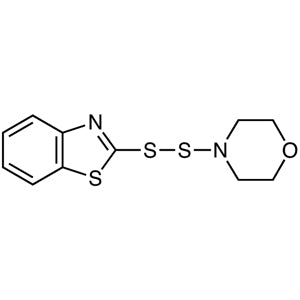
4-(2-Benzothiazolyldithio)morpholine TCI B1349
Regular price Rp 530.250,00Regular priceRp 386.400,00Sale price Rp 530.250,00