Bis[2-(2-benzothiazolyl)phenolato]zinc(II) is an organic compound widely used in optoelectronic material research, particularly in the development of Organic Light-Emitting Diode (OLED) devices. This material functions as a light-emitting layer in OLEDs, where it facilitates the production of light through the recombination of electrons and holes. In the laboratory, it plays a crucial role in performance testing, material characterization, and the development of high-efficiency, stable materials. Its application is essential for advancing the field of optoelectronics and improving the performance of light-emitting technologies.
This compound is preferred due to its ability to absorb and emit light within specific spectral ranges, making it an effective emitter in OLED structures. Its chemical and thermal stability ensures consistent performance under various laboratory conditions, which is vital for long-term research and development. These properties make it a reliable choice for applications requiring high-quality, stable light emission. The compound’s reliability and performance characteristics are key factors in its widespread use in material science research.
In Indonesian laboratories, Bis[2-(2-benzothiazolyl)phenolato]zinc(II) is commonly used in applied optoelectronic technology research. It supports the development of OLED displays, light sensors, and other optical devices. Researchers in various institutions rely on this compound to advance their work in light-emitting materials, contributing to the growth of optoelectronic technologies in the region.
TCI brochures (PDF)
- Organic Light-Emitting Diode (OLED) Materials 2026-08-18 · p. 8
Related TCI products
- TCI B2088 38215-36-0 3-(2-Benzothiazolyl)-7-(diethylamino)coumarin
- TCI B3602 80756-85-0 S-(2-Benzothiazolyl) (Z)-2-(2-Amino-4-thiazolyl)-2-(methoxyimino)thioacetate
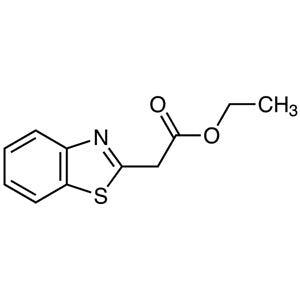
- TCI B2168 29182-42-1 Ethyl 2-(2-Benzothiazolyl)acetate
- TCI B0333 55699-64-4 2-(2-Benzothiazolyl)-3,5-diphenyltetrazolium Bromide
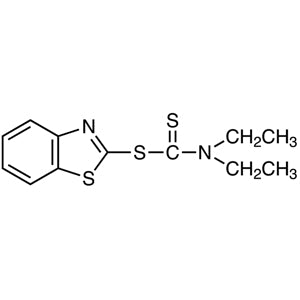
- TCI D0248 95-30-7 2-Benzothiazolyl Diethyldithiocarbamate
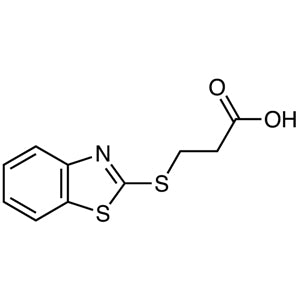
- TCI B1942 4767-00-4 3-(2-Benzothiazolylthio)propionic Acid
- OLED Device Development: This compound is ideal for creating efficient and stable OLEDs due to its light-emitting properties and chemical stability.
- Light Emitting Material Characterization: It is used to study the optical and electronic behavior of materials in the development of new light-emitting technologies.
- Sensor Technology Research: Its light absorption and emission characteristics make it suitable for developing advanced light sensors and optical detection systems.
- Optoelectronic Material Testing: It is employed in testing the performance and durability of materials under various environmental conditions.
- Display Technology Innovation: It supports the development of high-quality OLED displays by providing consistent and reliable light emission properties.
| Brand | TCI |
|---|---|
| CAS number | 58280-31-2 |
| Molecular formula | — |
| Purity | — |
| Category | Materials Science > Electronic Materials > Organic Light-Emitting Diode (OLED) Materials |
| Pack sizes | Available in various quantities as per standard laboratory supply practices |
| Physical form | Solid (as per standard chemical properties of the compound) |
| Storage | Store in a cool, dry place away from direct light and moisture |
This compound should be stored in a cool, dry environment, away from direct sunlight and moisture to maintain its chemical stability. It is recommended to use airtight containers to prevent exposure to air and humidity, which could affect its performance. Proper labeling and storage conditions are essential to ensure safety and maintain the integrity of the material. Laboratory personnel should handle the compound with care, using appropriate personal protective equipment when necessary. Regular monitoring of storage conditions is advised to ensure optimal preservation and safe usage in research settings.
—
Produk Terkait
-
3-(2-Benzothiazolyl)-7-(diethylamino)coumarin TCI B2088
Regular price From Rp 2.068.500,00Regular priceRp 1.461.600,00Sale price From Rp 2.068.500,00 -
S-(2-Benzothiazolyl)(Z)-2-(2-Amino-4-thiazolyl)-2-(methoxyimino)thioacetate TCI B3602
Regular price Rp 662.550,00Regular priceRp 478.800,00Sale price Rp 662.550,00 -
Ethyl2-(2-Benzothiazolyl)acetate TCI B2168
Regular price From Rp 1.749.300,00Regular priceRp 1.239.000,00Sale price From Rp 1.749.300,00 -
2-(2-Benzothiazolyl)-3,5-diphenyltetrazoliumBromide TCI B0333
Regular price Rp 1.431.150,00Regular priceRp 1.016.400,00Sale price Rp 1.431.150,00 -
2-BenzothiazolylDiethyldithiocarbamate TCI D0248
Regular price Rp 875.700,00Regular priceRp 627.900,00Sale price Rp 875.700,00 -
3-(2-Benzothiazolylthio)propionicAcid TCI B1942
Regular price From Rp 1.008.000,00Regular priceRp 720.300,00Sale price From Rp 1.008.000,00 -
(2-Benzothiazolylthio)aceticAcid TCI B1941
Regular price From Rp 1.060.500,00Regular priceRp 757.050,00Sale price From Rp 1.060.500,00 -
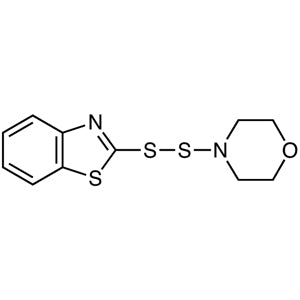
4-(2-Benzothiazolyldithio)morpholine TCI B1349
Regular price Rp 530.250,00Regular priceRp 386.400,00Sale price Rp 530.250,00