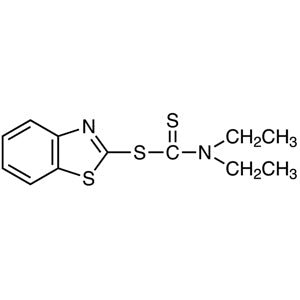
2-Benzothiazolyl Diethyldithiocarbamate (CAS No. 95-30-7) is a chemical compound widely used in laboratory settings for the synthesis of heterocyclic compounds. As a key building block in organic chemistry, it plays a crucial role in the development of complex molecular structures with specific functional groups. This compound is particularly valuable in reactions that require sulfur-containing intermediates, making it a versatile reagent in synthetic pathways. Its ability to form stable metal complexes further enhances its utility in catalytic and coordination chemistry applications.
One of the primary reasons for its popularity is its reactivity and compatibility with a wide range of reagents. The compound's ability to act as a sulfur donor allows for the formation of dithiocarbamate structures, which are essential in various synthetic strategies. Additionally, its chemical stability under controlled conditions ensures reliable performance in laboratory experiments. These properties make it a preferred choice for chemists working on the synthesis of pharmaceuticals, materials, and environmental compounds.
In Indonesian laboratories, this compound is commonly used in organic synthesis and heterocyclic compound development. Researchers and academic institutions rely on it for creating new molecules with potential applications in drug discovery, polymer science, and environmental chemistry. Its availability through trusted suppliers like AMI Scientific ensures that it remains a staple in both academic and industrial research settings.
Related TCI products
- TCI B3602 80756-85-0 S-(2-Benzothiazolyl) (Z)-2-(2-Amino-4-thiazolyl)-2-(methoxyimino)thioacetate
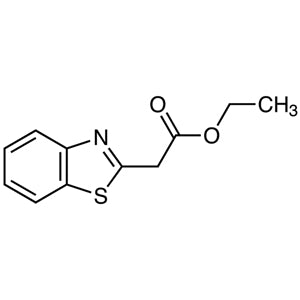
- TCI B2168 29182-42-1 Ethyl 2-(2-Benzothiazolyl)acetate
- TCI B0333 55699-64-4 2-(2-Benzothiazolyl)-3,5-diphenyltetrazolium Bromide
- TCI D0538 120-78-5 2,2'-Dibenzothiazolyl Disulfide
- TCI B2088 38215-36-0 3-(2-Benzothiazolyl)-7-(diethylamino)coumarin
- TCI B2077 58280-31-2 Bis[2-(2-benzothiazolyl)phenolato]zinc(II)
- Synthesis of heterocyclic compounds for pharmaceutical development due to its sulfur-donating properties and structural versatility.
- Organic chemistry research where stable metal complexes are required for catalytic processes and coordination chemistry studies.
- Development of new materials in polymer science, leveraging its reactivity and ability to form complex molecular structures.
- Environmental chemistry applications involving the synthesis of compounds for pollution control and remediation efforts.
- Academic and industrial research projects requiring reliable and consistent chemical building blocks for compound modification and functionalization.
| Brand | TCI |
|---|---|
| CAS number | 95-30-7 |
| Molecular formula | — |
| Purity | — |
| Category | Chemistry > Building Blocks > Heterocyclic Building Blocks |
| Pack sizes | Available in various quantities as per supplier specifications |
| Physical form | Solid, typically in crystalline or powder form |
| Storage | Store in a cool, dry place away from moisture and direct sunlight |
This compound should be stored in a cool, dry environment to maintain its chemical stability. It is recommended to keep it in a sealed container to prevent exposure to moisture and air, which may affect its reactivity. Due to its chemical nature, it should be handled in a well-ventilated area, and appropriate personal protective equipment such as gloves and safety goggles should be worn. Avoid contact with incompatible substances, and ensure that storage conditions are consistent with standard laboratory safety protocols. Regular inspection of storage containers is advised to ensure integrity and prevent potential hazards.
—
Produk Terkait
-
S-(2-Benzothiazolyl)(Z)-2-(2-Amino-4-thiazolyl)-2-(methoxyimino)thioacetate TCI B3602
Regular price Rp 610.050,00Regular price -
Ethyl2-(2-Benzothiazolyl)acetate TCI B2168
Regular price From Rp 1.696.800,00Regular price -
2-(2-Benzothiazolyl)-3,5-diphenyltetrazoliumBromide TCI B0333
Regular price Rp 1.378.650,00Regular price -
2,2'-DibenzothiazolylDisulfide TCI D0538
Regular price From Rp 530.250,00Regular price -
3-(2-Benzothiazolyl)-7-(diethylamino)coumarin TCI B2088
Regular price From Rp 2.016.000,00Regular price -
Bis[2-(2-benzothiazolyl)phenolato]zinc(II) TCI B2077
Regular price From Rp 1.538.250,00Regular price -
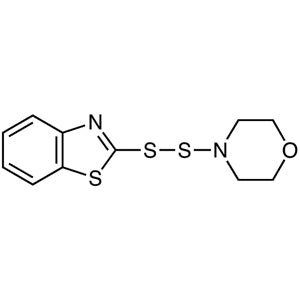
4-(2-Benzothiazolyldithio)morpholine TCI B1349
Regular price Rp 477.750,00Regular price -
Copper(II)Bis(2-hydroxyethyl)dithiocarbamate TCI B0491
Regular price From Rp 903.000,00Regular price



![58280-31-2 Bis[2-(2-benzothiazolyl)phenolato]zinc(II) - AMI Scientific](http://amiscientific.com/cdn/shop/files/TCI2510B2077.jpg?v=1769141652&width=533)