2-(2-Benzothiazolyl)-3,5-diphenyltetrazolium Bromide is a chemical compound widely used in laboratory settings for its versatile applications in chemical reactions. This compound serves as a key building block in the synthesis of various heterocyclic compounds, playing a crucial role in organic chemistry and pharmaceutical research. Its unique molecular structure allows it to participate in both reduction and oxidation reactions, making it an essential reagent for the development of new chemical entities. Due to its reactivity and structural complexity, it is frequently utilized in the creation of bioactive molecules, contributing to advancements in drug discovery and chemical innovation.
The compound's high reactivity and stability under specific conditions make it a preferred choice for researchers. Its ability to undergo various chemical transformations under controlled environments enhances its utility in synthetic pathways. The presence of multiple aromatic rings and heterocyclic moieties contributes to its functional versatility, enabling it to interact with a wide range of chemical species. These properties make it an ideal candidate for applications in medicinal chemistry and materials science, where precise chemical behavior is essential.
In Indonesian laboratories, this compound is commonly used in scientific research, particularly in the fields of pharmacy and chemistry. Due to its limited availability in the local market, it is often sourced from international suppliers like TCI. Its use is widespread in academic and industrial research settings, supporting the development of new pharmaceutical compounds and advanced chemical materials.
Related TCI products
- TCI B3602 80756-85-0 S-(2-Benzothiazolyl) (Z)-2-(2-Amino-4-thiazolyl)-2-(methoxyimino)thioacetate
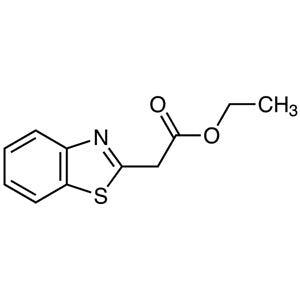
- TCI B2168 29182-42-1 Ethyl 2-(2-Benzothiazolyl)acetate
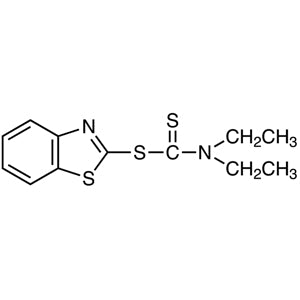
- TCI D0248 95-30-7 2-Benzothiazolyl Diethyldithiocarbamate
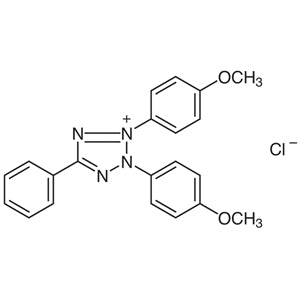
- TCI B1056 104497-79-2 2,3-Bis(4-methoxyphenyl)-5-phenyltetrazolium Chloride
- TCI B1047 69231-13-6 2,3-Bis(4-nitrophenyl)-5-phenyltetrazolium Chloride
- TCI B0325 38800-20-3 2,3-Diphenyl-5-(2-thienyl)tetrazolium Chloride
- Pharmaceutical synthesis for the development of new drug compounds due to its reactivity and structural versatility.
- Organic oxidation and reduction reactions as a key reagent in synthetic pathways for complex molecule formation.
- Heterocyclic compound synthesis to create bioactive molecules with potential therapeutic applications.
- Research in medicinal chemistry for the design of novel pharmaceutical agents with targeted biological activities.
- Chemical process development for the creation of advanced materials with specific functional properties.
| Brand | TCI |
|---|---|
| CAS number | 55699-64-4 |
| Molecular formula | — |
| Purity | — |
| Category | Chemistry > Building Blocks > Heterocyclic Building Blocks |
| Pack sizes | Available in various quantities as per supplier specifications |
| Physical form | Solid powder |
| Storage | Store in a cool, dry place away from light and moisture |
This compound should be stored in a cool, dry environment, away from direct sunlight and moisture to maintain its stability and reactivity. It is recommended to use airtight containers made of glass or high-density polyethylene to prevent contamination and degradation. Due to its chemical nature, it should be handled with appropriate personal protective equipment, including gloves and safety goggles, to ensure laboratory safety. It is important to avoid exposure to incompatible substances and to follow standard chemical handling protocols. Proper labeling and storage conditions are essential to ensure the compound remains effective for its intended applications in research and development.
—
Produk Terkait
-
S-(2-Benzothiazolyl)(Z)-2-(2-Amino-4-thiazolyl)-2-(methoxyimino)thioacetate TCI B3602
Regular price Rp 662.550,00Regular priceRp 478.800,00Sale price Rp 662.550,00 -
Ethyl2-(2-Benzothiazolyl)acetate TCI B2168
Regular price From Rp 1.749.300,00Regular priceRp 1.239.000,00Sale price From Rp 1.749.300,00 -
2-BenzothiazolylDiethyldithiocarbamate TCI D0248
Regular price Rp 875.700,00Regular priceRp 627.900,00Sale price Rp 875.700,00 -
2,3-Bis(4-methoxyphenyl)-5-phenyltetrazoliumChloride TCI B1056
Regular price Rp 6.651.750,00Regular priceRp 4.667.250,00Sale price Rp 6.651.750,00 -
2,3-Bis(4-nitrophenyl)-5-phenyltetrazoliumChloride TCI B1047
Regular price Rp 3.498.600,00Regular priceRp 2.462.250,00Sale price Rp 3.498.600,00 -
2,3-Diphenyl-5-(2-thienyl)tetrazoliumChloride TCI B0325
Regular price From Rp 1.749.300,00Regular priceRp 1.239.000,00Sale price From Rp 1.749.300,00 -
Chloride TCI B0311
Regular price Rp 1.378.650,00Regular priceRp 979.650,00Sale price Rp 1.378.650,00 -
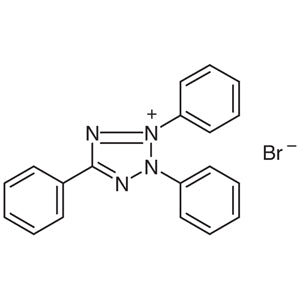
2,3,5-TriphenyltetrazoliumBromide TCI T0814
Regular price Rp 530.250,00Regular priceRp 386.400,00Sale price Rp 530.250,00