Benzylbis(triphenylphosphine)palladium(II) Chloride is a chemical compound widely used as a catalyst in organic reactions, particularly in coupling reactions such as Suzuki-Miyaura and Heck. This material plays a crucial role in the synthesis of complex compounds that require metal-based catalytic activation. Its high reactivity and specificity make it an essential component in various scientific research and development applications. Due to its ability to facilitate chemical reactions efficiently, it is highly valued in both academic and industrial laboratories.
The compound is known for its molecular structure, which consists of a palladium(II) ion bonded to two triphenylphosphine molecules and a benzyl group. This unique structure contributes to its catalytic efficiency and selectivity, making it ideal for precise chemical transformations. Its stability under certain conditions ensures that it remains effective throughout the reaction process without significant degradation. These properties make it a preferred choice for researchers seeking reliable and consistent results in their experiments.
In Indonesian laboratories, this compound is commonly used in organic chemistry research and the synthesis of complex compounds. It is particularly favored in pharmaceutical and materials science research due to its ability to facilitate the formation of new chemical structures. Many research institutions and universities in Indonesia rely on this material for their experimental needs, especially in the development of new drugs and advanced materials.
TCI brochures (PDF)
- Transition Metal Catalysts 2026-04-10 · p. 13
- Suzuki-Miyaura Cross Coupling Reaction 2025-12-01 · p. 23
Related TCI products
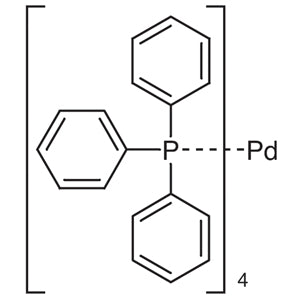
- TCI T1350 14221-01-3 Tetrakis(triphenylphosphine)palladium(0)
- TCI B2042 14588-08-0 Bis(triphenylphosphine)palladium(II) Diacetate
- TCI B1667 13965-03-2 Bis(triphenylphosphine)palladium(II) Dichloride
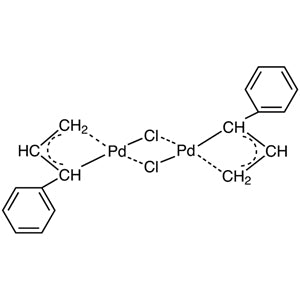
- TCI P2017 12131-44-1 Palladium(II)(pi-cinnamyl) Chloride Dimer
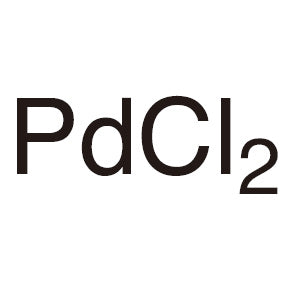
- TCI P1489 7647-10-1 Palladium(II) Chloride
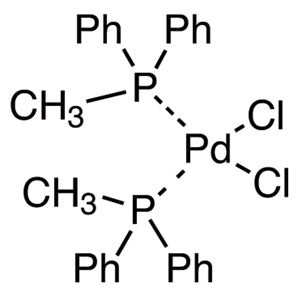
- TCI B2161 52611-08-2 Bis(methyldiphenylphosphine)palladium(II) Dichloride (cis- and trans- mixture)
- Suzuki-Miyaura Coupling for the synthesis of biologically active compounds due to its high catalytic efficiency and selectivity.
- Heck Reaction for the formation of aryl-alkyl bonds in the development of pharmaceutical intermediates and specialty chemicals.
- Cross-Coupling Reactions in the synthesis of complex organic molecules requiring precise control over reaction pathways.
- Catalytic Polymerization Processes in the creation of advanced materials with tailored properties and structural characteristics.
- Organic Synthesis in academic and industrial research settings where efficient and selective catalytic systems are required.
| Brand | TCI |
|---|---|
| CAS number | 22784-59-4 |
| Molecular formula | — |
| Purity | — |
| Category | Chemistry > Catalysis and Inorganic Chemistry > Transition Elements [Catalysis and Inorganic Chemistry] |
| Pack sizes | Available in various quantities as per standard laboratory supply options |
| Physical form | Solid powder or crystalline powder, depending on the specific formulation |
| Storage | — |
This compound should be stored in a cool, dry place away from moisture and direct sunlight to maintain its stability and effectiveness. It is recommended to use airtight containers made of glass or polyethylene to prevent contamination and degradation. Due to its reactivity, it should be handled in a well-ventilated area with appropriate personal protective equipment. Avoid exposure to incompatible substances such as strong oxidizing agents. Proper labeling and storage conditions are essential to ensure safety and maintain the integrity of the material during experimental use.
—
Produk Terkait
-
Tetrakis(triphenylphosphine)palladium(0) TCI T1350
Regular price From Rp 1.458.450,00Regular priceRp 1.035.300,00Sale price From Rp 1.458.450,00 -
Bis(triphenylphosphine)palladium(II)Diacetate TCI B2042
Regular price From Rp 2.942.100,00Regular priceRp 2.072.700,00Sale price From Rp 2.942.100,00 -
Bis(triphenylphosphine)palladium(II)Dichloride TCI B1667
Regular price From Rp 1.618.050,00Regular priceRp 1.146.600,00Sale price From Rp 1.618.050,00 -
Palladium(II)(pi-cinnamyl)ChlorideDimer TCI P2017
Regular price Rp 1.483.650,00Regular priceRp 1.053.150,00Sale price Rp 1.483.650,00 -
Palladium(II)Chloride TCI P1489
Regular price From Rp 3.127.950,00Regular priceRp 2.202.900,00Sale price From Rp 3.127.950,00 -
Bis(methyldiphenylphosphine)palladium(II)Dichloride(cis-andtrans-mixture) TCI B2161
Regular price Rp 2.914.800,00Regular priceRp 2.053.800,00Sale price Rp 2.914.800,00 -
Bis[1,2-bis(diphenylphosphino)ethane]palladium(0) TCI B3224
Regular price Rp 2.359.350,00Regular priceRp 1.665.300,00Sale price Rp 2.359.350,00 -
[1,3-Bis(diphenylphosphino)propane]palladium(II)Dichloride TCI B2192
Regular price From Rp 2.199.750,00Regular priceRp 1.554.000,00Sale price From Rp 2.199.750,00