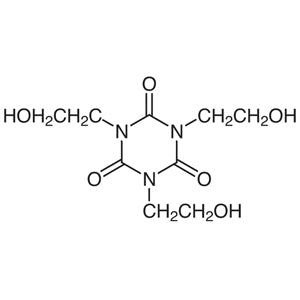
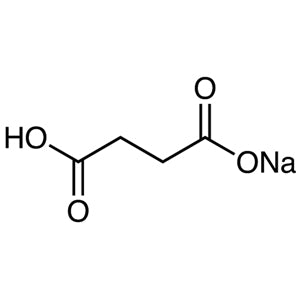
Monosodium Bromoisocyanurate (TCI B2148, CAS 164918-61-0) is a chemical compound widely used in synthetic laboratory applications. It serves as a reagent in the formation of C-X (halogen) bonds, a critical process in organic synthesis. This compound is particularly valuable for its ability to participate in substitution and electrophilic reactions, making it an essential tool for chemists working on complex molecular structures. Its role in laboratory settings is to facilitate the creation of new chemical entities by enabling controlled bond formation and functional group transformation.
The compound’s chemical properties make it a preferred choice for specialized synthetic routes. Its structure includes a bromo group and an isocyanate functional group, which contribute to its reactivity and versatility. The presence of a sodium ion in its structure influences its solubility and reactivity in various solvents. These characteristics allow it to be used in a range of chemical reactions, particularly those requiring precise control over halogenation processes. Its stability under specific conditions further enhances its reliability in laboratory applications.
In Indonesian laboratories, Monosodium Bromoisocyanurate is commonly used in both fundamental and applied chemical research. It is a key component in the development of new organic compounds, especially in academic and industrial settings where synthetic chemistry is a core activity. Its use is widespread in research focused on drug development, material science, and analytical chemistry, where controlled reactivity and structural modification are essential.
TCI brochures (PDF)
- Halogenation Reagents 2026-04-03 · p. 7
Related TCI products
- TCI D3753 15114-43-9 Dibromoisocyanuric Acid
- TCI A0579 1718-34-9 Mordant Orange 1 Monosodium Salt
- TCI T0674 839-90-7 Tris(2-hydroxyethyl) Isocyanurate
- TCI S0106 2922-54-5 Monosodium Succinate
- TCI M0016 3105-55-3 Monosodium Maleate Trihydrate
- TCI I0409 5320-25-2 Diallyl Propyl Isocyanurate (stabilized with BHT)
- Organic Synthesis: This compound is ideal for creating complex organic molecules due to its ability to form C-X bonds, which are essential in building diverse molecular structures.
- Halogenation Reactions: It serves as a brominating agent, enabling the introduction of bromine atoms into organic compounds, which is crucial for functional group modification.
- Electrophilic Substitution: Its reactivity makes it suitable for reactions where electrophilic substitution is required, especially in aromatic compound derivatization.
- Analytical Chemistry: It is used in analytical procedures to test the reactivity and stability of various compounds under different conditions.
- Material Science Research: It plays a role in the synthesis of new materials, particularly those requiring controlled halogenation and functional group incorporation.
| Brand | TCI |
|---|---|
| CAS number | 164918-61-0 |
| Molecular formula | — |
| Purity | — |
| Category | Chemistry > Synthetic Reagents > C-X(Halogen) Bond Formation [Synthetic Reagents] |
| Pack sizes | Available in various quantities as per supplier specifications |
| Physical form | Solid powder |
| Storage | Requires protection from moisture and air exposure |
Monosodium Bromoisocyanurate should be stored in a cool, dry place away from moisture and direct sunlight. It is recommended to use airtight containers to prevent exposure to air and humidity, which can degrade its chemical stability. Due to its sensitivity to environmental factors, it should be handled with care to maintain its reactivity and purity. In laboratory settings, it is advisable to store it in a desiccator or a sealed container to minimize contamination and ensure consistent performance. Always ensure proper ventilation when handling this compound to avoid any potential health risks.
—
Produk Terkait
-
DibromoisocyanuricAcid TCI D3753
Regular price From Rp 2.384.550,00Regular priceRp 1.683.150,00Sale price From Rp 2.384.550,00 -
MordantOrange1MonosodiumSalt TCI A0579
Regular price Rp 1.829.100,00Regular priceRp 1.278.900,00Sale price Rp 1.829.100,00 -
Tris(2-hydroxyethyl)Isocyanurate TCI T0674
Regular price From Rp 530.250,00Regular priceRp 386.400,00Sale price From Rp 530.250,00 -
MonosodiumSuccinate TCI S0106
Regular price From Rp 1.008.000,00Regular priceRp 720.300,00Sale price From Rp 1.008.000,00 -
MonosodiumMaleateTrihydrate TCI M0016
Regular price Rp 1.298.850,00Regular priceRp 924.000,00Sale price Rp 1.298.850,00 -
DiallylPropylIsocyanurate(stabilizedwithBHT) TCI I0409
Regular price Rp 5.724.600,00Regular priceRp 4.018.350,00Sale price Rp 5.724.600,00 -
DiallylIsocyanurate TCI I0304
Regular price Rp 5.592.300,00Regular priceRp 3.925.950,00Sale price Rp 5.592.300,00 -
TriallylIsocyanurate(stabilizedwithBHT) TCI I0279
Regular price From Rp 742.350,00Regular priceRp 534.450,00Sale price From Rp 742.350,00