Tris(2-hydroxyethyl) Isocyanurate (THI) is a chemical compound widely used in laboratory settings for the synthesis of heterocyclic compounds. As a key building block in organic chemistry, THI plays a vital role in the formation of complex ring structures, which are essential in various chemical processes. Its unique molecular structure allows it to act as a versatile linker or binder in chemical reactions, making it an indispensable tool for researchers working on advanced synthetic pathways. This compound is particularly valuable in the development of pharmaceuticals, polymers, and specialty chemicals due to its ability to participate in a range of chemical reactions under different conditions.
THI is preferred for its chemical stability and reactivity. It maintains its integrity under various reaction conditions, which simplifies the synthesis process and reduces the risk of degradation. Its ability to undergo nucleophilic and electrophilic reactions makes it adaptable to a wide array of synthetic strategies. Additionally, its specific molecular structure enables it to serve as a crucial precursor in the creation of heterocyclic compounds, which are fundamental in many industrial and academic applications. These properties make THI a reliable and efficient reagent for chemical synthesis.
In Indonesian laboratories, THI is commonly used in organic chemistry research and the synthesis of complex compounds. It is particularly relevant for researchers in pharmaceuticals, food chemistry, and materials science. Its availability in the local market ensures that scientists have access to this essential reagent for their experimental needs. The compound's versatility and reliability make it a go-to choice for a wide range of chemical applications in Indonesia.
Related TCI products
- TCI T0675 2904-41-8 Tris(2-carboxyethyl) Isocyanurate
- TCI I0584 2904-40-7 Bis(2-carboxyethyl) Isocyanurate
- TCI I0428 2451-62-9 Triglycidyl Isocyanurate
- TCI I0304 6294-79-7 Diallyl Isocyanurate
- TCI I0279 1025-15-6 Triallyl Isocyanurate (stabilized with BHT)
- TCI B4903 122-96-3 1,4-Bis(2-hydroxyethyl)piperazine
- Organic synthesis of heterocyclic compounds due to its ability to form stable ring structures.
- Development of pharmaceuticals and specialty chemicals as a key building block in complex molecule synthesis.
- Polymer science applications where cross-linking and structural stability are required.
- Research in food chemistry for the creation of flavor compounds and functional ingredients.
- Material science studies involving the synthesis of advanced polymers and composite materials.
| Brand | TCI |
|---|---|
| CAS number | 839-90-7 |
| Molecular formula | — |
| Purity | — |
| Category | Chemistry > Building Blocks > Heterocyclic Building Blocks |
| Pack sizes | Available in various sizes as per supplier specifications |
| Physical form | Solid |
| Storage | Store in a cool, dry place away from moisture and direct sunlight |
Tris(2-hydroxyethyl) Isocyanurate should be stored in a cool, dry environment to maintain its chemical stability. It is recommended to keep the compound in a sealed container to prevent exposure to moisture and air, which could lead to degradation. Suitable storage conditions include a controlled temperature range of 15–25°C. The container should be made of a material that is chemically inert, such as glass or high-density polyethylene, to avoid any reaction with the compound. In laboratory settings, it is important to handle THI with care, using appropriate personal protective equipment when necessary. Proper storage and handling ensure the compound remains effective for its intended applications.
—
Produk Terkait
-
Tris(2-carboxyethyl)Isocyanurate TCI T0675
Regular price Rp 742.350,00Regular priceRp 534.450,00Sale price Rp 742.350,00 -
Bis(2-carboxyethyl)Isocyanurate TCI I0584
Regular price From Rp 1.192.800,00Regular priceRp 849.450,00Sale price From Rp 1.192.800,00 -
TriglycidylIsocyanurate TCI I0428
Regular price From Rp 848.400,00Regular priceRp 609.000,00Sale price From Rp 848.400,00 -
DiallylIsocyanurate TCI I0304
Regular price Rp 5.592.300,00Regular priceRp 3.925.950,00Sale price Rp 5.592.300,00 -
TriallylIsocyanurate(stabilizedwithBHT) TCI I0279
Regular price From Rp 742.350,00Regular priceRp 534.450,00Sale price From Rp 742.350,00 -
1,4-Bis(2-hydroxyethyl)piperazine TCI B4903
Regular price From Rp 900.900,00Regular priceRp 645.750,00Sale price From Rp 900.900,00 -
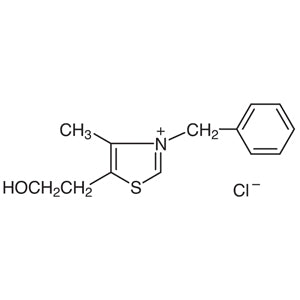
3-Benzyl-5-(2-hydroxyethyl)-4-methylthiazoliumChloride TCI B1224
Regular price Rp 2.279.550,00Regular priceRp 1.609.650,00Sale price Rp 2.279.550,00 -
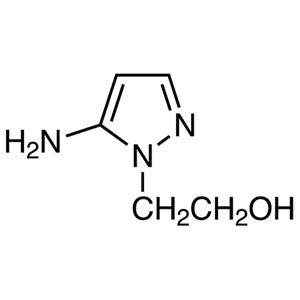
5-Amino-1-(2-hydroxyethyl)pyrazole TCI A2619
Regular price From Rp 1.405.950,00Regular priceRp 998.550,00Sale price From Rp 1.405.950,00